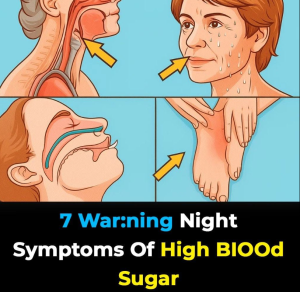
1. Loud Snoring During Sleep
Loud snoring, often overlooked as a simple nuisance, can be a significant warning sign linked to diabetes. Studies indicate that nearly half of individuals with type 2 diabetes experience some form of sleep-disordered breathing, including obstructive sleep apnea (OSA). This condition involves repeated interruptions in breathing during sleep, which can increase stress hormones like cortisol that raise blood glucose levels.
Sleep apnea and diabetes share a complex relationship. Poor sleep quality caused by loud snoring and breathing pauses exacerbates insulin resistance, making blood sugar control more difficult. Conversely, elevated blood sugar can worsen breathing problems during sleep.
If you or a loved one frequently experience loud snoring accompanied by gasping or choking sounds, daytime fatigue, or morning headaches, it’s important to discuss these symptoms with a healthcare provider. Diagnosis may involve an overnight polysomnography test to monitor breathing patterns during sleep, and treatment often includes lifestyle changes, use of continuous positive airway pressure (CPAP) devices, or addressing underlying diabetes management.
2. Skin Changes
Distinct changes in skin appearance can be one of the earliest visible signs of diabetes. A common manifestation is darkened, velvety patches of skin, medically known as acanthosis nigricans. These typically appear on the neck, elbows, knees, or skin folds and result from high insulin levels stimulating excessive melanin production.
Aside from discoloration, diabetes can cause other skin issues such as dryness, itchiness, and slow-healing sores. Patients with uncontrolled blood sugar are more prone to bacterial and fungal skin infections, which may appear as red, inflamed, or scaly areas.
Dermatologists may recommend laser therapy or topical treatments to address skin darkening once blood glucose levels are under control. However, the priority remains stabilizing blood sugar through diet, exercise, and medication to prevent progression. If you notice unexplained skin changes, particularly dark patches in typical locations, seek evaluation from your healthcare provider to rule out or diagnose diabetes early.