When to Seek Immediate Help: Recognizing Dangerous Diabetes Symptoms
If you or someone you know experiences sudden confusion, difficulty breathing, severe weakness, or loss of consciousness, seek emergency medical attention immediately. These could be signs of dangerously high or low blood sugar requiring urgent care.
Understanding Diabetes Symptoms: Why Early Detection Matters
Diabetes affects over 400 million people worldwide, with millions more unaware of their condition. Early diagnosis is crucial to managing blood sugar levels effectively and preventing irreversible damage to organs such as the kidneys, eyes, heart, and nerves. Whether it is type 1, type 2, or gestational diabetes, the root cause involves an imbalance of insulin leading to elevated glucose in the bloodstream.
Recognizing early and less obvious symptoms can significantly improve outcomes. Many individuals discover their diabetes only after complications develop, which increases treatment complexity and healthcare costs. Timely action can reduce the risk of serious issues like heart disease, kidney failure, and nerve damage.
Distinguishing Diabetes Symptoms: Are They Caused by Diabetes or Something Else?
A key decision point is whether symptoms suggest chronic blood sugar elevation or another health problem. Classic signs include excessive thirst, frequent urination, and unexplained weight loss. However, some surprising symptoms often go unnoticed or are misattributed to aging or other conditions.
One practical approach is to consider if symptoms affect multiple systems—such as skin changes combined with vision or hearing issues—or if they worsen over weeks to months. This pattern suggests metabolic disruption and warrants prompt screening for diabetes through blood glucose testing.
Check Your Medicine Cabinet: Common Drugs That Affect Blood Sugar
Certain medications can influence blood sugar levels and mask or mimic diabetes symptoms. For example, corticosteroids, some diuretics, and certain antipsychotics can raise blood glucose. If you are taking these, discuss with your healthcare provider whether additional monitoring or adjustments are needed.
Conversely, some diabetes treatments may present side effects like dizziness or fatigue that could be mistaken for other issues. Maintaining an up-to-date medication list is essential when evaluating symptoms.
The Cost and Benefit of Early Diabetes Testing
Screening tests for diabetes, such as fasting plasma glucose or HbA1c, typically cost between $20 and $50 without insurance. Early diagnosis allows initiation of lifestyle changes and medications that can delay or prevent complications. Considering that managing advanced diabetes complications can cost thousands annually, early testing is a cost-effective health investment.
Routine screening is recommended for adults over 45 or younger adults with risk factors like obesity, family history, or hypertension. If you notice any unusual symptoms or have risk factors, consult your doctor about testing.
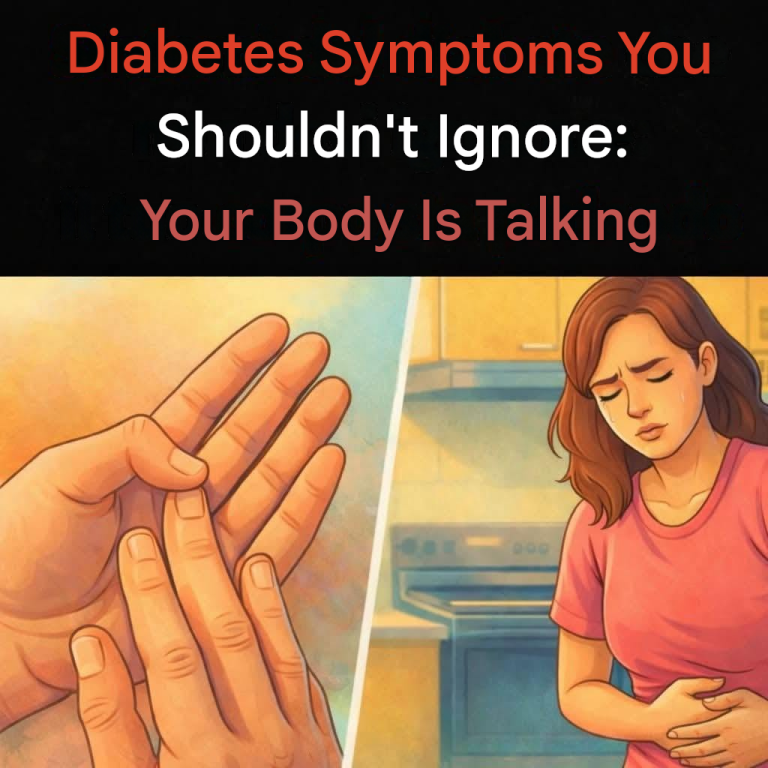
Here are the 10 most surprising symptoms. Number 4 is the one most people don’t expect — and it has nothing to do with thirst or urination.