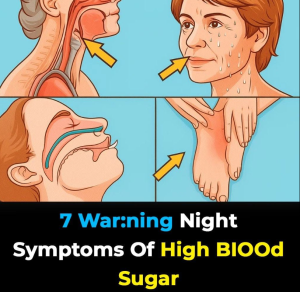
3. Hearing Problems
Hearing loss is an often underestimated complication associated with diabetes. Elevated blood glucose can damage both the nerves (neuropathy) and blood vessels supplying the inner ear, leading to sensorineural hearing impairment.
Research indicates that people with diabetes have approximately a 30% higher risk of developing hearing loss compared to those without the condition. The damage is typically gradual and may initially affect the ability to hear high-frequency sounds.
If you notice difficulty hearing conversations, ringing in the ears (tinnitus), or muffled sounds, especially in combination with other diabetes symptoms, it’s advisable to consult an audiologist and your primary care physician. Early detection and management of blood sugar levels may slow the progression of hearing loss.
4. Sudden Vision Changes
Diabetes can cause rapid fluctuations in vision due to changes in blood glucose affecting the lens of the eye and its surrounding fluids. Patients may experience blurred vision, double vision, or temporary improvement in eyesight, which can be misleading.
Dr. Howard Baum notes that some patients report better vision when blood sugar rises but require updated eyeglass prescriptions once diabetes treatment begins and glucose levels stabilize. This occurs because high blood sugar causes the lens to swell, altering its shape and refractive properties.
Beyond these reversible changes, chronic uncontrolled diabetes can lead to diabetic retinopathy, a serious condition that damages retinal blood vessels and can cause permanent vision loss if untreated. Regular eye exams with a retinal specialist are critical for anyone diagnosed with diabetes.
5. Persistent Itching
An intense and ongoing sensation of itching, especially on the hands, legs, and feet, may be an early symptom linked to diabetes. This itching is often due to dry skin resulting from high blood sugar levels causing dehydration and poor circulation.
Reduced blood flow impairs the skin’s ability to repair and maintain its protective barrier, increasing susceptibility to irritation and infections. Moisturizers alone may not alleviate this symptom if underlying glucose control is inadequate.
If itching persists despite skin care, it is important to consult a healthcare provider. They can evaluate for diabetes or other systemic causes and recommend appropriate treatments, including improved blood sugar management and topical therapies.