1. Sudden Weakness or Numbness
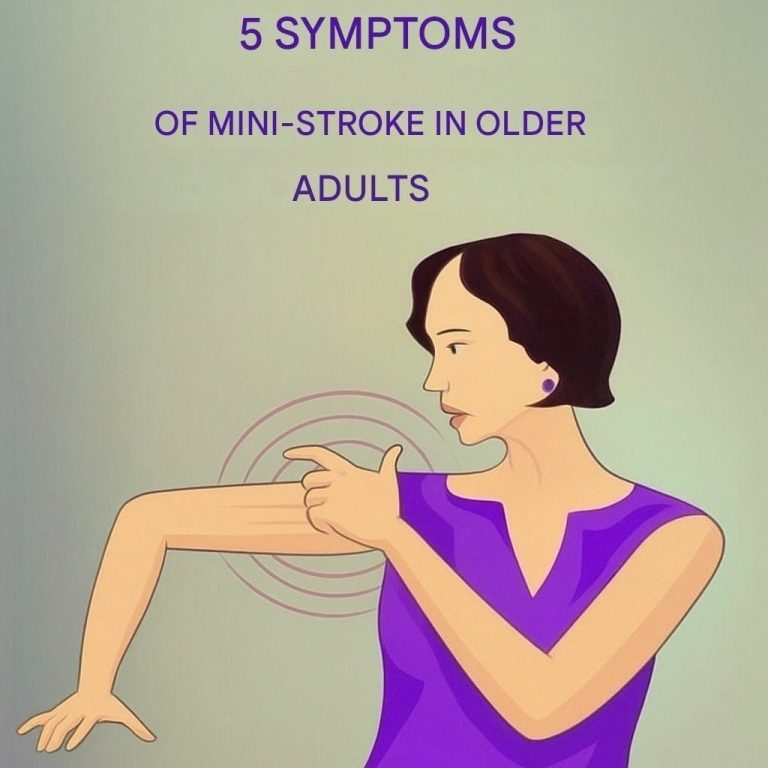
Sudden weakness or numbness, especially on one side of the body, is among the most critical signs of a transient ischemic attack (TIA), commonly known as a mini-stroke. This symptom occurs because a temporary blockage or reduction in blood flow disrupts nerve signals in the brain areas controlling muscle strength and sensation.
In seniors, this may present as an inability to lift an arm or leg, or a drooping of one side of the face, such as an uneven smile. The weakness might feel like heaviness or an inability to move, and numbness may feel like tingling or loss of feeling.
Recognizing this symptom immediately is crucial because it often precedes a full ischemic stroke, which can cause permanent disability. If you or someone you care for experiences sudden weakness or numbness, emergency medical evaluation is necessary.
- Typically affects one side of the body
- Can involve the face, arm, or leg
- May last minutes to hours but requires urgent care
2. Difficulty Speaking or Understanding
Speech difficulties during a mini-stroke arise from transient impairment in the brain’s language centers. This can manifest as slurred speech, garbled words, or difficulty finding the right words. The person may also have trouble comprehending what others say, resulting in confusion or inappropriate responses.
Communication problems can be subtle, such as mispronouncing words or hesitating when speaking, or more pronounced with complete inability to speak or understand language temporarily. This symptom is medically known as aphasia or dysarthria, depending on the specific deficit.
Because speech issues can impact safety and care, immediate medical assessment is critical. Treatments initiated early can reduce the risk of progression to a major stroke.
- Slurred or slow speech
- Difficulty understanding spoken language
- Inability to speak or find words
3. Vision Problems
Vision disturbances during a mini-stroke may result from temporary ischemia affecting the parts of the brain responsible for visual processing or the optic nerves. Seniors might experience blurred vision, partial vision loss in one or both eyes, or double vision (diplopia).
These symptoms can be fleeting but are serious indicators of vascular issues in the brain. Sometimes the vision change affects only one eye, which may suggest involvement of the retinal artery or optic nerve. Other times, it involves both eyes, indicating a more central neurological cause.
Regular eye examinations and prompt reporting of any sudden changes in vision are essential, especially in older adults with vascular risk factors such as hypertension or diabetes.
- Sudden blurred or dim vision
- Loss of vision in one eye or visual field
- Double vision or difficulty focusing