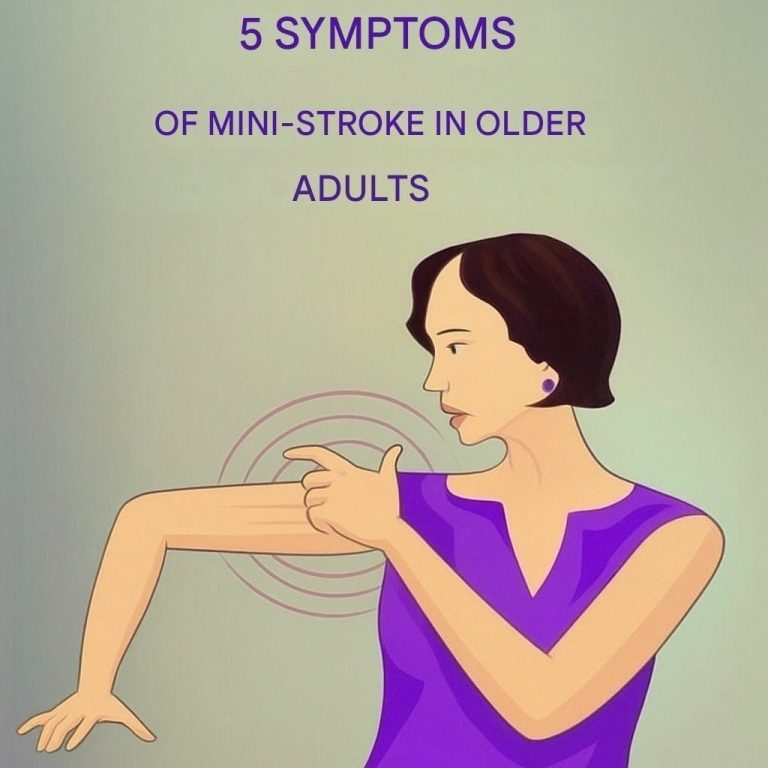
Recognizing a Mini Stroke (Transient Ischemic Attack) in Seniors: Why Immediate Action Matters
Emergency Note: If you or someone you know experiences any sudden neurological symptoms, seek emergency medical care immediately. Even if symptoms resolve quickly, these could be signs of a transient ischemic attack (TIA), commonly known as a mini stroke, which often precedes a full stroke.
Understanding the Critical Decision: Mini Stroke vs. Full Stroke
Mini strokes, or TIAs, cause temporary blockage of blood flow in the brain and produce symptoms that resolve within minutes to hours. While symptoms may fade, they signal an urgent need for medical evaluation. Distinguishing these from other causes of neurological symptoms is crucial because TIAs indicate a high risk of a major stroke, which can cause permanent brain damage or death.
Ask Yourself: Are These Symptoms Sudden and Brief?
The hallmark of a mini stroke is the sudden onset of neurological symptoms that improve or disappear within 24 hours. If symptoms last longer or worsen, this may indicate a full stroke requiring emergency treatment. Common symptoms include weakness, speech difficulties, vision changes, dizziness, and headache. Immediate medical assessment can help identify underlying causes and guide preventive treatments.
Check Your Medicine Cabinet: Could Medications Affect Stroke Risk?
Some medications can influence stroke risk or mimic stroke symptoms. Blood thinners, blood pressure drugs, and diabetes medications are particularly important. Seniors should regularly review their medications with healthcare providers to optimize stroke prevention. New or missing doses of prescribed medicines can increase risk, so adherence is critical.
Risk Factors in Seniors That Elevate Mini Stroke Danger
Several health conditions increase the likelihood of a mini stroke, especially in older adults. These include:
- Hypertension: High blood pressure damages blood vessels and is the leading stroke risk factor.
- Diabetes: Poor blood sugar control accelerates vascular damage.
- High cholesterol: Leads to atherosclerosis, narrowing arteries supplying the brain.
- Smoking: Increases clot formation and arterial damage.
- Heart disease: Atrial fibrillation and other heart conditions can cause clots that travel to the brain.
Managing these conditions through lifestyle changes and medications can significantly reduce mini stroke and stroke risk.
Why Prompt Medical Evaluation Is Essential
After a suspected mini stroke, doctors typically perform diagnostic tests like brain imaging, carotid artery ultrasound, and heart rhythm monitoring. Early diagnosis allows for interventions such as antiplatelet therapy, blood pressure control, and sometimes surgery to prevent a major stroke. The cost of emergency care varies widely but timely treatment can avoid the far higher costs and disabilities associated with a full stroke.
Regular check-ups and awareness of symptoms empower seniors and caregivers to act quickly. Education campaigns targeting families and communities improve recognition and response to mini stroke signs, saving lives and preserving quality of life.
Here are the 5 symptoms. Number 3 is the one most often overlooked — yet it can be a critical warning sign.