4. Dizziness or Balance Loss
Dizziness, unsteadiness, or sudden loss of balance are warning signs of a mini-stroke affecting the cerebellum or brainstem, areas of the brain responsible for coordination and balance. Seniors may feel lightheaded, experience vertigo, or find it difficult to walk or stand without support.
These symptoms can be mistaken for inner ear problems but should never be ignored, particularly when occurring suddenly and alongside other neurological signs. Loss of balance increases the risk of falls and injuries, which can be especially dangerous in older adults.
Prompt evaluation by a healthcare professional is essential to determine if these symptoms are due to a transient ischemic attack or another serious condition.
- Sudden dizziness or vertigo
- Difficulty maintaining balance or walking
- Feeling faint or disoriented
5. Sudden Severe Headache
A sudden, severe headache—often described as the worst headache of one’s life—can sometimes accompany a mini-stroke, although it is more characteristic of hemorrhagic strokes. In the context of a TIA, a severe headache with no known cause should always raise concern.
This symptom may signal a more serious vascular event such as a cerebral hemorrhage or aneurysm, but it can also precede or accompany ischemic episodes. Any new-onset, intense headache in an older adult should prompt immediate medical assessment.
Do not dismiss this symptom even if it resolves quickly, as it could indicate an impending major stroke or other life-threatening condition.
- Sudden onset headache of unusual intensity
- No prior history of similar headaches
- May be accompanied by other neurological symptoms
When to See a Doctor
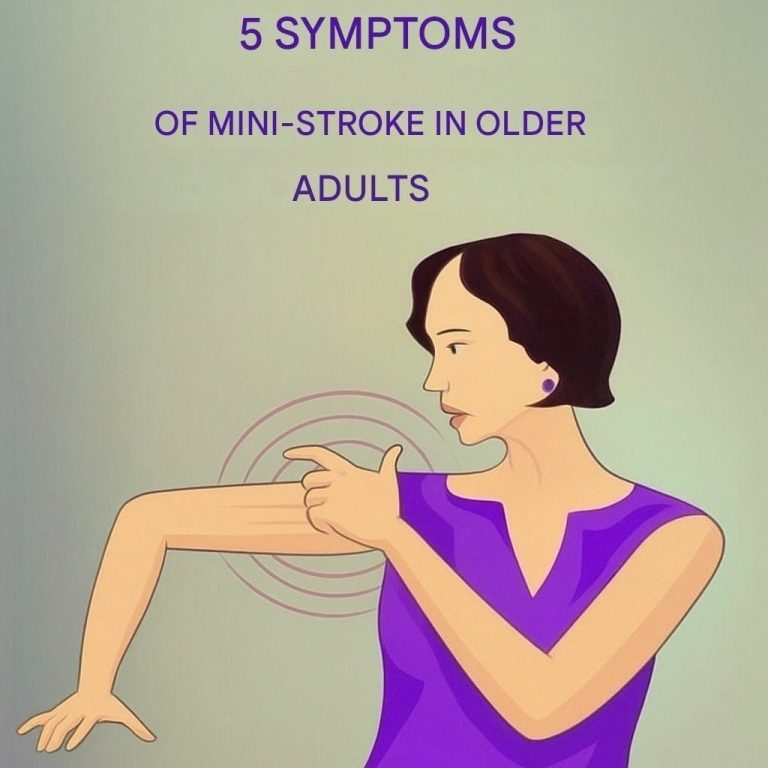
Any of the symptoms described—sudden weakness or numbness, speech difficulties, vision changes, dizziness or balance problems, and sudden severe headache—warrant urgent medical evaluation. Even if symptoms resolve within minutes, these transient ischemic attacks are warning signs that the risk of a full stroke is high.
Seek emergency care immediately if you or someone else experiences these symptoms. Early diagnosis often involves brain imaging such as MRI or CT scans, carotid artery ultrasound, and blood tests to identify risk factors like hypertension or atrial fibrillation.
Effective treatment may include antiplatelet or anticoagulant medications, blood pressure control, cholesterol management, and lifestyle changes to reduce stroke risk.
Conclusion
Recognizing mini-stroke symptoms early in seniors can save lives and prevent permanent disability. Since TIAs are often brief and reversible, they provide a critical window to intervene before a major stroke occurs. Family members, caregivers, and seniors themselves should be educated about these warning signs and the importance of immediate medical attention.
Managing underlying conditions such as hypertension, diabetes, and high cholesterol remains essential in reducing stroke risk. Regular health check-ups and adherence to prescribed therapies can significantly improve outcomes.
This information is for educational purposes only and is not a substitute for professional medical advice. If you or someone else experiences these symptoms, please seek emergency medical care promptly.