1. Frequent Nighttime Urination
Frequent nighttime urination, medically known as nocturia, often signals elevated blood sugar levels in people with diabetes. When glucose accumulates in the bloodstream beyond what the kidneys can reabsorb, the excess is expelled in the urine. This osmotic effect draws more water into the urine, increasing urine volume and causing more frequent trips to the bathroom during the night.
In practical terms, a person might wake multiple times nightly to urinate, notice larger volumes of urine, or feel that sleep is repeatedly disrupted by the need to empty the bladder. This pattern can lead to poor sleep quality and daytime fatigue.
However, nocturia has many other potential causes, including prostate enlargement in men, medications like diuretics, sleep apnea, or even habitual drinking of liquids before bed. The key concern is a new or persistent change in urination patterns rather than occasional episodes.
- Waking up more than twice per night regularly to urinate
- Producing unusually large volumes of urine at night
- Feeling that nighttime urination disrupts sleep on a consistent basis
2. Excessive Thirst at Night
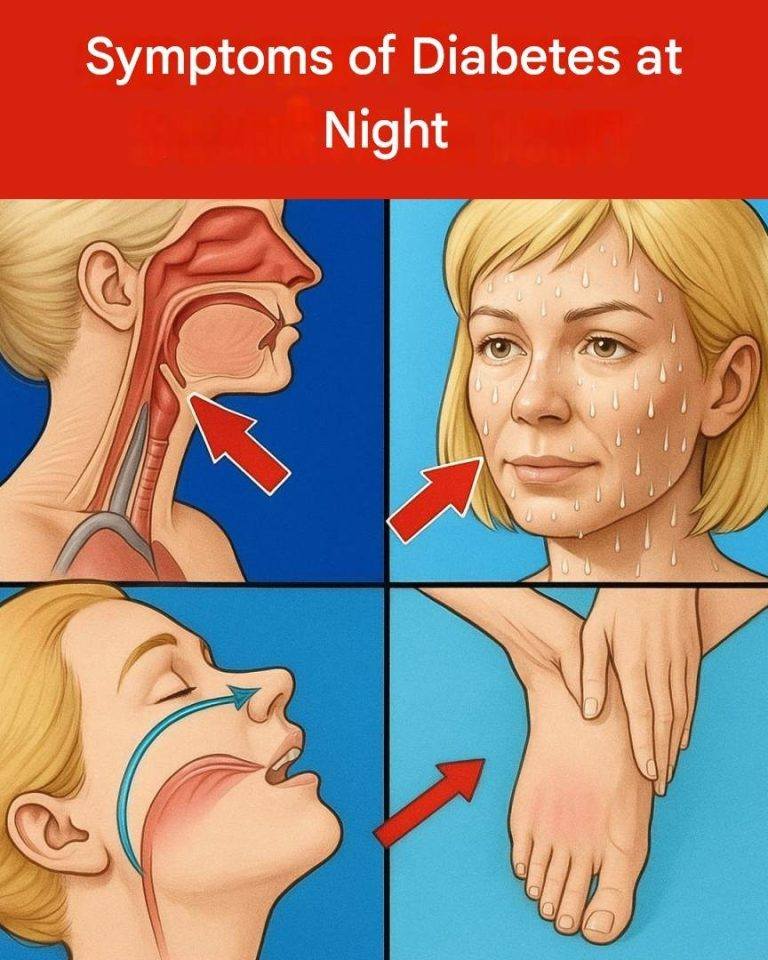
Excessive thirst, or polydipsia, is closely linked to frequent urination in diabetes. When the body loses fluid through increased urination, dehydration triggers thirst mechanisms, often manifesting as dry mouth or a strong urge to drink water during the night.
This symptom might present as waking up repeatedly to drink, keeping water bottles bedside, or feeling thirst that does not resolve even after drinking fluids. Chronic excessive thirst at night, especially combined with nocturia, raises concern for high blood sugar.
It is important to differentiate this from normal thirst caused by environmental factors such as a warm room or insufficient fluid intake during the day.
- Waking with a dry mouth or throat
- Needing to drink water multiple times during the night
- Feeling thirsty despite recent fluid intake
3. Nighttime Foot Nerve Sensations
Diabetic peripheral neuropathy is a common complication resulting from prolonged elevated blood glucose levels causing nerve damage. Symptoms often worsen at night when distractions are minimal, making sensations more noticeable.
Patients may experience tingling, burning, numbness, or sharp, electric-like pains usually starting in the feet and potentially spreading upward. Sometimes, increased sensitivity to touch or even pain from normally non-painful stimuli occurs.
These symptoms can interfere with falling asleep or staying asleep, contributing to poor sleep quality and secondary fatigue. However, it is important to recognize that similar nerve symptoms may originate from other causes such as vitamin B12 deficiency, spinal issues, or nerve compression syndromes.
- Tingling or pins-and-needles sensations
- Burning or sharp, shooting pains in the feet
- Numbness or reduced sensation
- Heightened sensitivity to touch