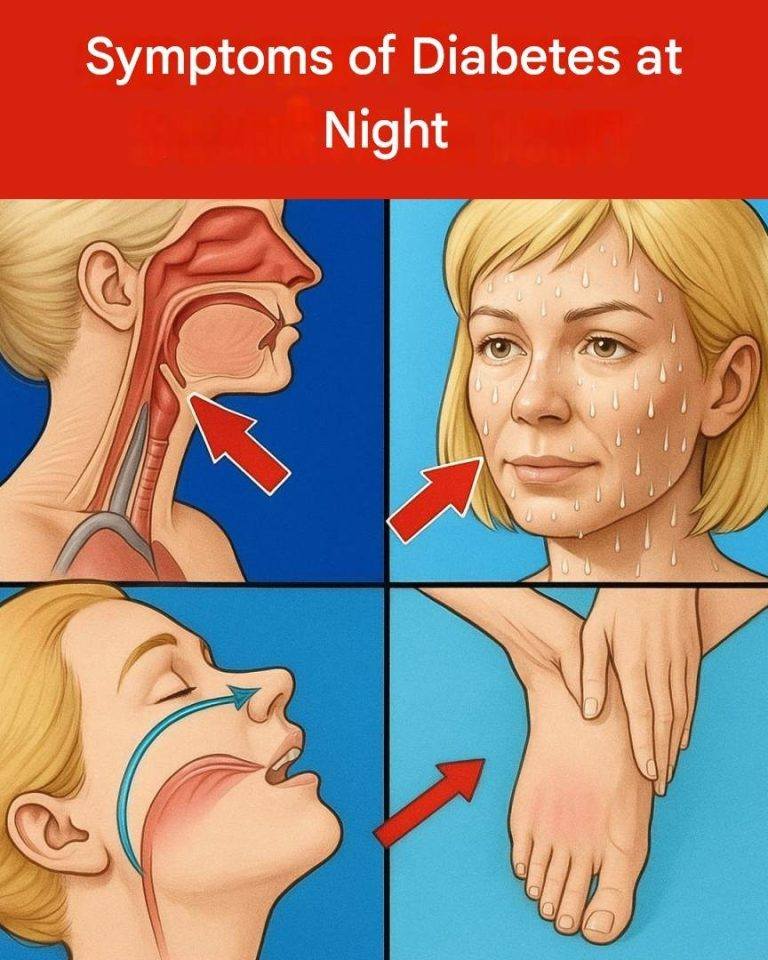
4. Night Sweats and Restless Sleep
Night sweats and restless sleep can be symptoms of nocturnal hypoglycemia, particularly in people with diabetes who are managing their condition with insulin or certain oral glucose-lowering medications. Low blood sugar during sleep can trigger a surge of adrenaline and other hormones that cause sweating, shaking, nightmares, and frequent awakenings.
Signs may include waking drenched in sweat, feeling restless or agitated during the night, or waking with a headache or confusion. These episodes can also contribute to unrefreshing sleep and daytime tiredness.
While night sweats alone are not exclusive to diabetes—they also occur with menopause, infections, anxiety, and medication side effects—when accompanied by other symptoms such as fatigue or frequent urination, they warrant further evaluation.
- Waking soaked in sweat without an obvious cause
- Restless or fitful sleep with frequent awakenings
- Feeling confused, shaky, or fatigued upon waking
5. Morning Fatigue Despite Sleep
Persistent morning fatigue despite adequate sleep can be an indicator of poorly controlled diabetes or the body’s inability to efficiently use glucose for energy. Elevated blood sugar disrupts normal metabolic processes, which may lead to feelings of exhaustion upon waking.
In addition, frequent nighttime urination and symptoms like neuropathic pain or night sweats can fragment sleep, further reducing restorative rest. This combination exacerbates daytime tiredness and cognitive difficulties such as poor concentration.
Because fatigue is a nonspecific symptom, its significance increases when paired with other signs of diabetes or risk factors. Monitoring these symptoms over time and discussing them with a healthcare provider is essential.
- Feeling unrefreshed after a full night’s sleep
- Needing extra rest or naps during the day
- Experiencing difficulty focusing or mental fog in the morning
When to See a Doctor
If you experience several of these nighttime symptoms persistently—especially frequent urination, excessive thirst, and neuropathic sensations—consult your healthcare provider for evaluation. Blood tests such as fasting blood glucose, HbA1c, or oral glucose tolerance testing can help diagnose diabetes or prediabetes.
Immediate medical attention is necessary if you develop severe symptoms like confusion, repeated vomiting, rapid or deep breathing, or loss of consciousness, as these may indicate dangerous complications such as diabetic ketoacidosis or severe hypoglycemia.
Conclusion
Nighttime symptoms like frequent urination, excessive thirst, nerve sensations in the feet, night sweats, and morning fatigue can all be signs of diabetes or blood sugar imbalances. While none of these symptoms alone confirms diabetes, their presence together—especially in people with risk factors—warrants medical evaluation and blood sugar testing.
Early diagnosis and management of diabetes can prevent complications and improve quality of life, making awareness of these nocturnal symptoms important.
Disclaimer: This article is for informational purposes only and does not replace professional medical advice. Consult a healthcare provider for diagnosis and treatment tailored to your needs.