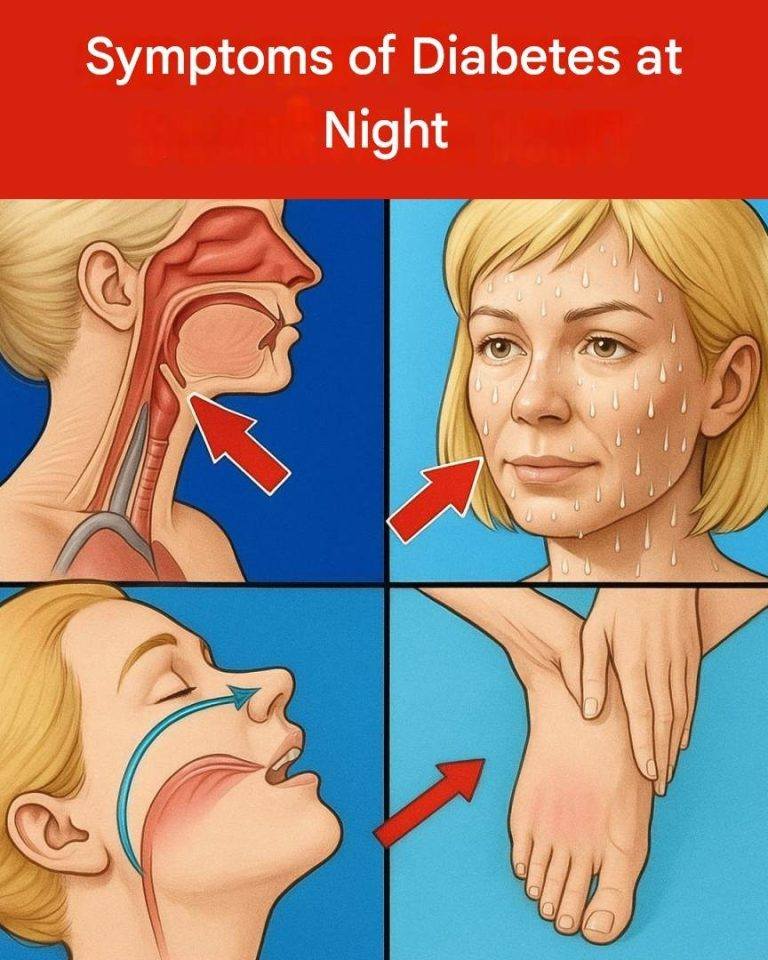
When Nighttime Symptoms Signal Diabetes Risk
Emergency note: If you experience severe weakness, confusion, rapid breathing, or loss of consciousness, seek immediate medical care. These may indicate serious blood sugar issues requiring urgent attention.
Many diabetes symptoms become more noticeable at night, especially those related to blood sugar fluctuations affecting urination, thirst, nerve function, sleep quality, and energy. Identifying these symptoms early can guide timely testing and management.
Distinguishing Diabetes-Related Symptoms from Other Causes
Before interpreting any nighttime symptom as diabetes-related, consider other common causes and whether symptoms are new or persistent. For example, frequent urination may arise from prostate issues or medications, and night sweats can be triggered by hormonal changes or infections.
Key to assessing diabetes risk is observing if multiple symptoms occur together repeatedly, especially in the presence of risk factors like family history, obesity, or high blood pressure.
Check Your Medicine Cabinet
Several medications can influence nighttime symptoms. Diuretics increase urine production, possibly causing frequent nighttime urination. Certain antidepressants or hormone therapies may contribute to night sweats. If you use insulin or blood sugar-lowering drugs, be alert to symptoms of low blood sugar during sleep, such as sweating, shaking, or confusion upon waking.
Understanding the Impact of Blood Sugar on Nighttime Symptoms
High blood glucose leads kidneys to excrete excess sugar, increasing urine volume and frequency. This can disrupt sleep multiple times per night. Losing fluids through urine triggers thirst, which can persist despite drinking water.
Over time, elevated blood sugar can damage peripheral nerves, causing symptoms like tingling, burning, or numbness—often first noticed in the feet and more apparent at night when distractions are fewer.
Conversely, blood sugar that dips too low during sleep—common in people treated with insulin or some medications—can cause night sweats, restlessness, headaches, and morning fatigue.
Who Should Consider Diabetes Testing?
If you notice new or recurring nighttime symptoms such as increased urination, excessive thirst, foot discomfort, night sweats, or waking unrefreshed, especially alongside risk factors, medical evaluation is important. Common diagnostic tests include fasting blood glucose, HbA1c, oral glucose tolerance, or random blood glucose measurements. These tests provide a definitive answer and guide appropriate management.
Early diagnosis can prevent complications and improve quality of life.
Summary
Nighttime symptoms often linked to diabetes include increased urination, thirst, nerve sensations in the feet, night sweats, and morning fatigue. While none alone confirms diabetes, their presence together, especially with risk factors, warrants testing.
Here are the 5 diabetes symptoms that can appear at night. Number 3 reveals a nerve issue many overlook but that can impact daily comfort and safety.