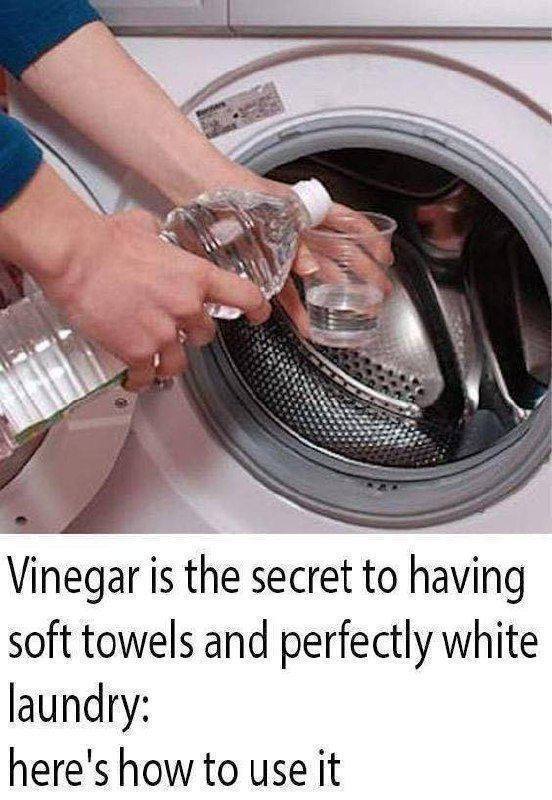
3. Vinegar wash cycle
To deep clean the drum and internal components, run an empty wash cycle using white vinegar. Pour two cups (approximately 500 ml) of white vinegar directly into the detergent dispenser or drum, then select the hottest setting available, usually 60°C to 90°C. Vinegar’s acidic nature breaks down detergent residues, dissolves mineral scale, and neutralizes odors.
Do not mix vinegar with bleach or other chemical cleaners during this process to avoid releasing toxic fumes. This method is not suitable for machines with delicate or wool cycles only, as the high temperature may damage those settings. Always consult your machine’s manual if unsure.
4. Surface cleaning
After the vinegar wash cycle, clean the exterior surfaces and door seal. Mix a solution of half white vinegar and half water in a spray bottle. Spray it onto a microfiber cloth and wipe down the machine’s outside, control panel, and rubber door gasket. The vinegar solution removes dirt, detergent splashes, and prevents mold growth without damaging paint or plastic finishes.
Do not spray vinegar directly on electronic controls or screens to avoid moisture damage. Avoid using vinegar on natural stone or marble countertops adjacent to the machine, as the acid can etch these surfaces.
5. Whole room cleaning
White vinegar can also be used to clean and deodorize the laundry area. Mix a solution of one part vinegar to three parts water and use it to mop floors and wipe down walls, especially in damp or poorly ventilated rooms. Vinegar’s antimicrobial properties help reduce mold spores and mildew buildup, improving air quality and hygiene.
Do not use vinegar on hardwood floors or waxed surfaces, as it can strip finishes and cause damage. Ensure good ventilation while cleaning to avoid strong odors accumulating in small spaces.





