Before You Clean: How Often Should You Maintain Your Washing Machine?
Understanding when to clean your washing machine is crucial to avoid both hygiene issues and costly repairs. If you use your machine once or twice a week, a thorough cleaning once a month is generally sufficient to prevent buildup and bad odors. However, for heavy users who run the machine multiple times weekly, cleaning every two weeks is advisable to maintain optimal performance and prolong the appliance’s lifespan.
Neglecting regular maintenance can lead to problems like clogged filters, residue buildup, and unpleasant smells. These issues may result in mechanical failures that require professional repair or even early replacement. Repair costs for washing machines often range from $100 to $300 depending on the part and service needed, while a new machine can cost upwards of $500. Therefore, regular cleaning is a cost-effective way to avoid these expenses.
Distinguishing Dirt from Damage: What Are You Treating?
One key decision before cleaning is determining whether your machine’s problem is simply dirt and residue or if there is underlying damage. Visible grime, detergent buildup, and mineral deposits are signs of dirt that white vinegar can effectively address. However, if you notice leaks, unusual noises, or mechanical failures, these symptoms indicate damage that vinegar cleaning alone won’t fix and require professional service.
Perform a simple check by inspecting the detergent drawer, door seal, and drum for visible residue or mold. Also, listen for abnormal sounds during operation and check for water leaks underneath. This distinction helps you decide if a thorough cleaning with vinegar is enough or if it’s time to call an appliance technician.
Why Use White Vinegar for Cleaning?
White vinegar is a popular natural cleaner because it effectively dissolves mineral deposits and detergent buildup without harsh chemicals. It is affordable, widely available, and safe to use on most washing machine components, including the drum, detergent drawer, and seals. However, avoid using vinegar on rubber door seals excessively, as its acidity can degrade rubber over time, potentially voiding your machine’s warranty.
Unlike commercial chemical cleaners, vinegar minimizes environmental impact and reduces exposure to toxic substances in your home. When used properly, it can freshen your machine, prevent mold growth, and remove unpleasant odors.
What Surfaces and Parts Should You Focus On?
Start by removing and cleaning all detachable parts such as the detergent drawer and lint filter. These often trap residues and lint that cause odors and poor machine performance. Use a sponge dampened with vinegar to wipe these parts thoroughly.
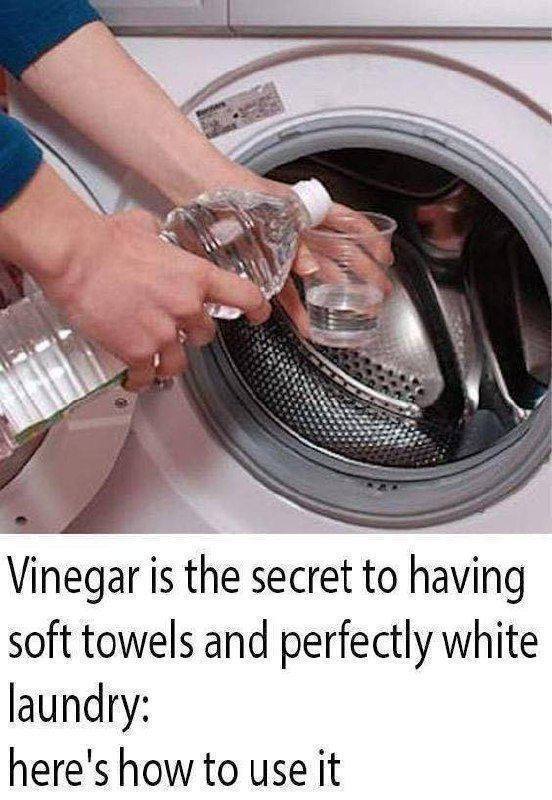
Next, address the washing drum by running an empty wash cycle with white vinegar added to the detergent compartment. This helps remove internal buildup and sanitize the drum without risking damage.
Finally, clean the exterior surfaces with a diluted vinegar solution to remove stains and maintain the machine’s appearance. Avoid applying vinegar directly to electronic control panels to prevent damage.
Regularly cleaning these areas can prevent costly repairs related to clogged pipes or malfunctioning dispensers, which can cost several hundred dollars to fix.
Using vinegar in your washing machine cleaning routine can save you money and extend your appliance’s life—but only if you know when and how to apply it safely.
Here are the 10 essential steps to clean your machine thoroughly, including the one that makes the biggest difference for long-term care.





