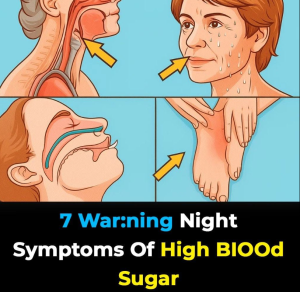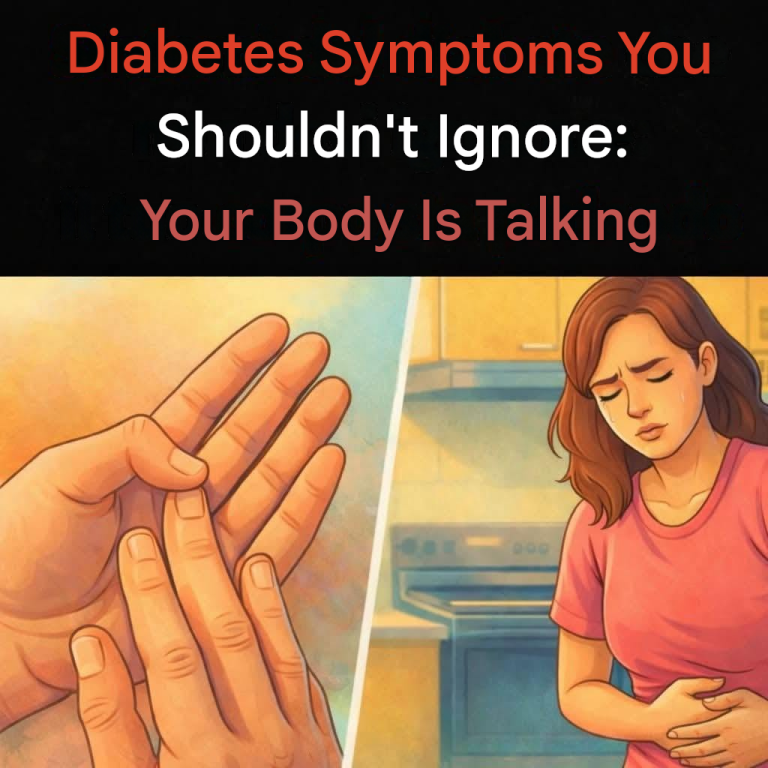
6. Slow Wound Healing
One of the more serious diabetes-related symptoms is delayed wound healing. Elevated blood glucose impairs the immune system and reduces blood flow, which are both critical for tissue repair and fighting infection.
Small cuts, blisters, or ulcers that take weeks to heal or worsen over time should never be ignored. This is especially important for wounds on the feet, as diabetic neuropathy may reduce pain sensation, allowing injuries to go unnoticed and increase the risk of infections or even gangrene.
Patients with diabetes should perform daily foot checks and seek immediate medical attention for any wounds that do not show signs of healing within a few days. Specialized wound care, infection control, and strict blood sugar management are essential to prevent complications.
7. Numbness or Tingling
Peripheral neuropathy is a common diabetes complication characterized by numbness, tingling, burning, or pain, usually starting in the feet and hands. High blood sugar damages the nerves over time, disrupting normal sensation and motor function.
Early symptoms may be subtle, such as decreased sensitivity to temperature or vibration. If untreated, neuropathy can progress to muscle weakness and balance problems, increasing fall risk.
Patients experiencing these sensations should report them to their healthcare provider promptly. While nerve damage from diabetes can be irreversible, early diagnosis and strict glucose control can slow progression and alleviate symptoms through medications and lifestyle interventions.
8. Unexplained Fatigue
Chronic fatigue that cannot be explained by lifestyle or other medical conditions may be a sign of diabetes. When blood sugar levels are high, the body’s cells cannot effectively use glucose for energy, leading to persistent tiredness.
Additionally, frequent urination associated with diabetes can disrupt sleep, further contributing to daytime fatigue. Fatigue reduces quality of life and may interfere with the ability to manage diabetes effectively, creating a vicious cycle.
If you experience ongoing fatigue without clear cause, especially if accompanied by other diabetes symptoms, seek medical evaluation. Blood tests measuring fasting glucose, HbA1c, and possibly an oral glucose tolerance test can confirm the diagnosis and guide treatment.