4. Sugary fruit drinks and packaged juices
Sugary fruit drinks and packaged juices that are not 100% natural juice often contain high levels of added sugar, which promotes inflammation. Chronic inflammation can disrupt normal bone remodeling processes, potentially weakening bone structure over time.
These beverages frequently replace healthier options like milk or fortified plant-based drinks, leading to lower calcium intake. They also lack the fiber and micronutrients found in whole fruits, providing limited nutritional benefit.
- High sugar content increases inflammation, affecting bone remodeling
- Displaces calcium-rich beverages in the diet
- Lacks fiber and nutrients present in whole fruits
Consuming small amounts of 100% natural fruit juice occasionally is less concerning, but regularly drinking sweetened fruit beverages should be minimized to support bone health.
5. Energy drinks
Energy drinks pose a particular threat to bone health, especially in adolescents and young adults. Their combination of high caffeine content, sugar, and acidity can disrupt calcium balance and bone metabolism.
Frequent consumption may replace milk or water in the diet, reducing calcium intake. Additionally, energy drink use is often associated with poorer overall nutrition, which can further impair bone development during critical growth periods.
- High caffeine, sugar, and acidity affect calcium balance
- May replace calcium-rich drinks in the diet
- Linked to poorer overall nutrition habits
Regular energy drink use during adolescence may interfere with achieving peak bone mass, a key determinant of lifelong bone strength and fracture risk.
When to See a Doctor
If you experience frequent bone pain, fractures from minor injuries, or have risk factors such as chronic heavy alcohol use, long-term high caffeine intake, or a diet low in calcium and vitamin D, consult a healthcare professional. A bone density scan (DEXA scan) may be recommended to assess osteoporosis risk and guide treatment.
Discuss any concerns about your bone health or diet with your primary care provider or a specialist in endocrinology or rheumatology.
Conclusion
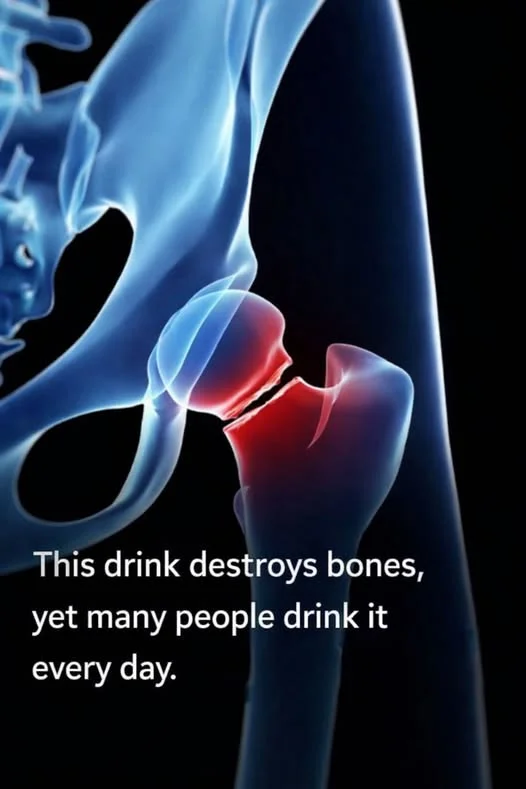
Bone health relies on maintaining adequate calcium and vitamin D levels, regular weight-bearing exercise, and avoiding lifestyle factors that harm bone density. Regular consumption of cola, alcoholic beverages, excessive caffeine, sugary fruit drinks, and energy drinks can contribute to bone loss, especially when combined with low calcium intake.
Moderation and balanced nutrition are key to preserving bone strength and reducing osteoporosis risk over the long term.
This information is not a substitute for professional medical advice. Consult your healthcare provider for personal recommendations.