Emergency note: Seek immediate medical attention if you experience severe weakness, confusion, vomiting, rapid breathing, or loss of consciousness, as these can be signs of a diabetic crisis.
Distinguishing Nighttime Symptoms That Suggest Diabetes
Many people notice certain symptoms more clearly at night, and some of these can be early indicators of diabetes. While none of these signs alone confirms diabetes, patterns of symptoms—especially when persistent—warrant prompt medical evaluation including blood glucose testing.
Diabetes affects the body’s ability to regulate blood sugar, which in turn can disrupt urination, thirst regulation, nerve function, vision, and sleep quality. At night, when distractions fade, these issues often become more apparent.
Why Nighttime Symptoms Matter
High blood sugar leads to excess glucose filtered by the kidneys, causing frequent urination that can disrupt sleep. This fluid loss also triggers increased thirst. Meanwhile, nerve damage from chronic high sugar levels can cause sensations such as burning or tingling, often more noticeable at rest.
Additionally, those using insulin or certain diabetes medications may experience low blood sugar (hypoglycemia) during sleep, causing night sweats, shaking, or nightmares. Recognizing these patterns helps distinguish between high and low blood sugar issues.
Check Your Medicine Cabinet
Medications can influence nighttime symptoms. For instance, insulin or sulfonylureas can cause hypoglycemia during sleep, while diuretics may increase urination. Some antidepressants or beta-blockers can affect sleep quality or mask low blood sugar signs. Review your medications with a healthcare provider to identify possible contributors.
When to Consider Testing for Diabetes
If you notice persistent or worsening symptoms such as frequent nighttime urination, excessive thirst, unexplained fatigue, tingling or numbness in the feet, or blurry vision, especially alongside risk factors like family history, overweight, high blood pressure, or previous gestational diabetes, blood glucose testing is recommended.
Common diagnostic tests include fasting blood glucose, HbA1c (which reflects average blood sugar over months), oral glucose tolerance tests, or random blood glucose measurements. These tests provide objective data to confirm or rule out diabetes.
Other Conditions Can Mimic Diabetes Symptoms
It’s important to understand that many nighttime symptoms overlap with other health issues such as sleep apnea, prostate or urinary tract problems, anxiety, menopause, kidney disease, or side effects from various medications. Therefore, professional evaluation is essential for accurate diagnosis and treatment.
Persistent symptoms combined with risk factors increase the urgency for testing. Early diagnosis allows timely intervention, which can prevent complications and improve quality of life.
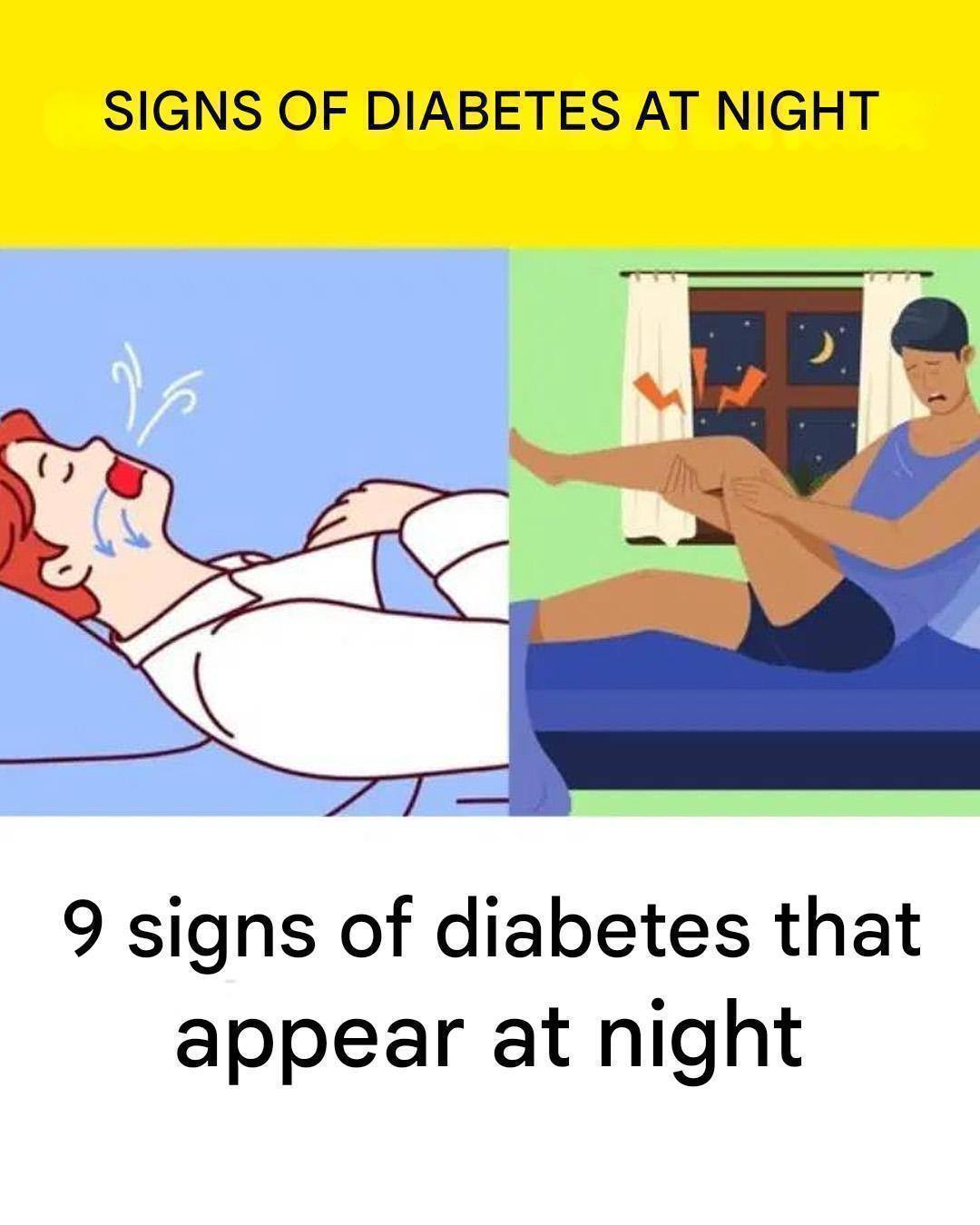
Here are the 9 signs that often show up at night. Number 5 is especially important because it signals nerve damage that requires prompt medical attention.