1. Cola and carbonated soft drinks
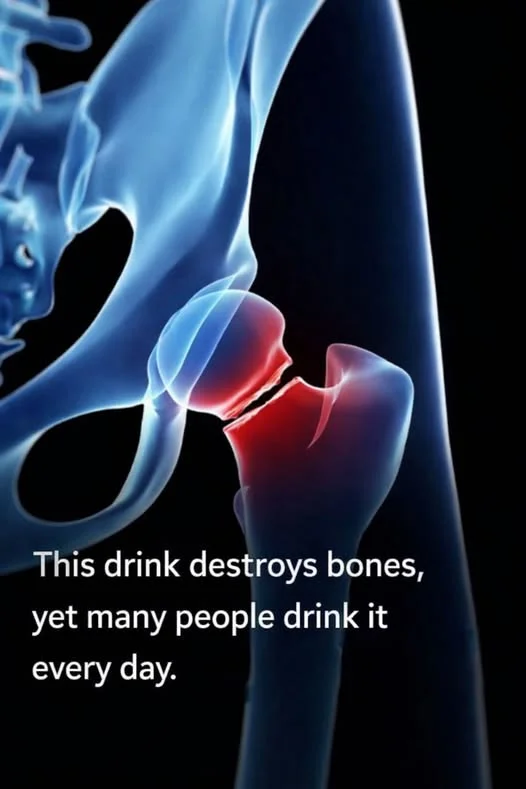
Cola and other dark sodas contain phosphoric acid, a compound that may disrupt the delicate calcium-phosphorus balance essential for healthy bones. This imbalance can lead to decreased bone mineral density over time, particularly in women. Additionally, these beverages often replace calcium-rich options such as milk, reducing overall calcium intake.
High sugar content in sodas also promotes systemic inflammation, which can indirectly impair bone remodeling and health. The combined effect of phosphoric acid, sugar, and reduced calcium intake contributes to a higher risk of osteoporosis and fractures.
- Phosphoric acid disrupts calcium-phosphorus balance
- Often substitutes for calcium-rich drinks
- High sugar increases inflammation affecting bones
Reducing soda consumption and replacing it with calcium-fortified beverages or milk can help maintain bone density and reduce osteoporosis risk.
2. Alcoholic beverages
Chronic or heavy alcohol consumption negatively impacts bone health by interfering with vitamin D metabolism, which is crucial for calcium absorption. Alcohol also suppresses osteoblast activity, the cells responsible for building new bone, leading to decreased bone formation.
Heavy drinking increases the risk of falls due to impaired balance and coordination, further elevating fracture risk. While moderate alcohol intake may have less impact, persistent heavy use is strongly linked to osteoporosis and bone fragility.
- Interferes with vitamin D metabolism
- Reduces osteoblast activity, lowering bone formation
- Increases fall and fracture risk through impaired balance
Limiting alcohol intake and ensuring adequate vitamin D and calcium levels are important for maintaining bone strength.
3. Excessive caffeine drinks
Moderate caffeine consumption is generally safe, but excessive intake from coffee, strong tea, or energy drinks can harm bones. High caffeine levels increase calcium excretion in urine and may slightly reduce calcium absorption, leading to a net loss of calcium critical for bone maintenance.
Energy drinks are particularly concerning as they combine caffeine with sugar and acids, compounding the risk to bone health. The negative effects of caffeine on bone density become more pronounced when dietary calcium intake is insufficient.
- Increases calcium excretion via urine
- May reduce calcium absorption slightly
- Energy drinks add sugar and acid, increasing risk
To protect bone health, limit caffeine intake to moderate levels and ensure adequate calcium consumption, especially if consuming caffeinated beverages regularly.