3. Homemade cleaning solution
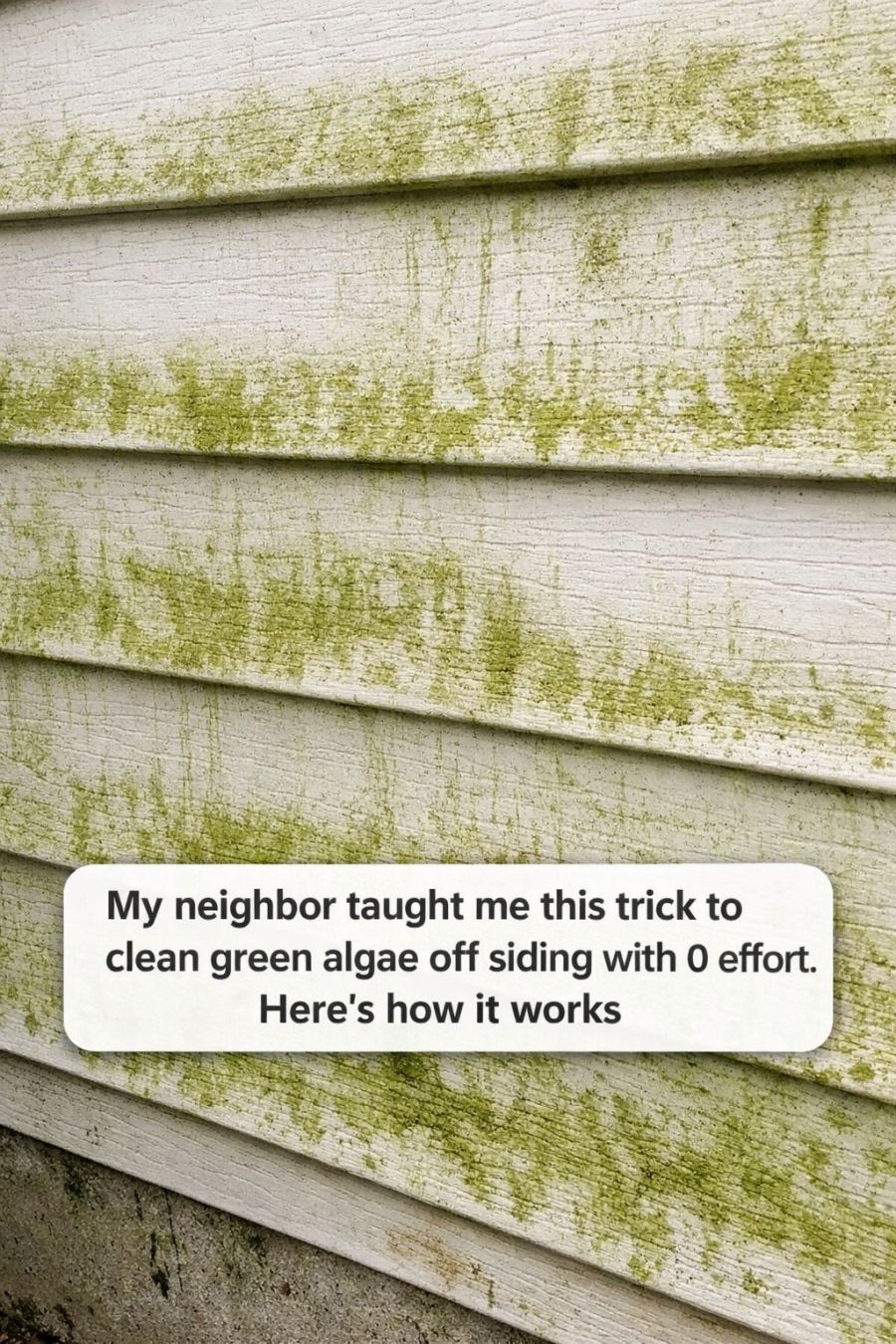
The homemade cleaning solution combines water, white vinegar, and dish soap for an effective algae remover. Vinegar’s acidity kills algae cells, while dish soap acts as a surfactant to help the solution spread evenly and stick to vertical siding surfaces. This simple mix avoids harsh chemicals that can damage siding or harm the environment.
To prepare the solution, mix 1 gallon of water with 1 cup of white vinegar and 1 tablespoon of dish soap. This ratio balances effectiveness and safety for most vinyl and painted siding types. Avoid stronger concentrations to prevent paint damage or surface etching.
4. Safe mixing ratios
Maintaining the correct mixing ratios is essential to protect your siding. Using more than 1 cup of vinegar per gallon of water increases acidity and risks fading or peeling paint. If your siding is new or has delicate paint finishes, test the solution on a small, hidden area first, waiting 24 hours to check for any adverse effects.
If you observe any discoloration or surface changes, reduce the vinegar concentration or discontinue use. The recommended ratio has proven effective without harming most common siding materials.
5. Application without ladders
Applying the solution with a garden sprayer eliminates the need for ladders or manual scrubbing. Begin spraying from the bottom of the algae-affected areas and work upward to ensure even coverage and avoid streaking. Saturate the surface thoroughly so the solution can penetrate the algae colonies.
This method is safer and faster than climbing ladders or using brushes. However, do not use this approach on siding that is excessively fragile or on surfaces where overspray could damage nearby sensitive plants or finishes.





