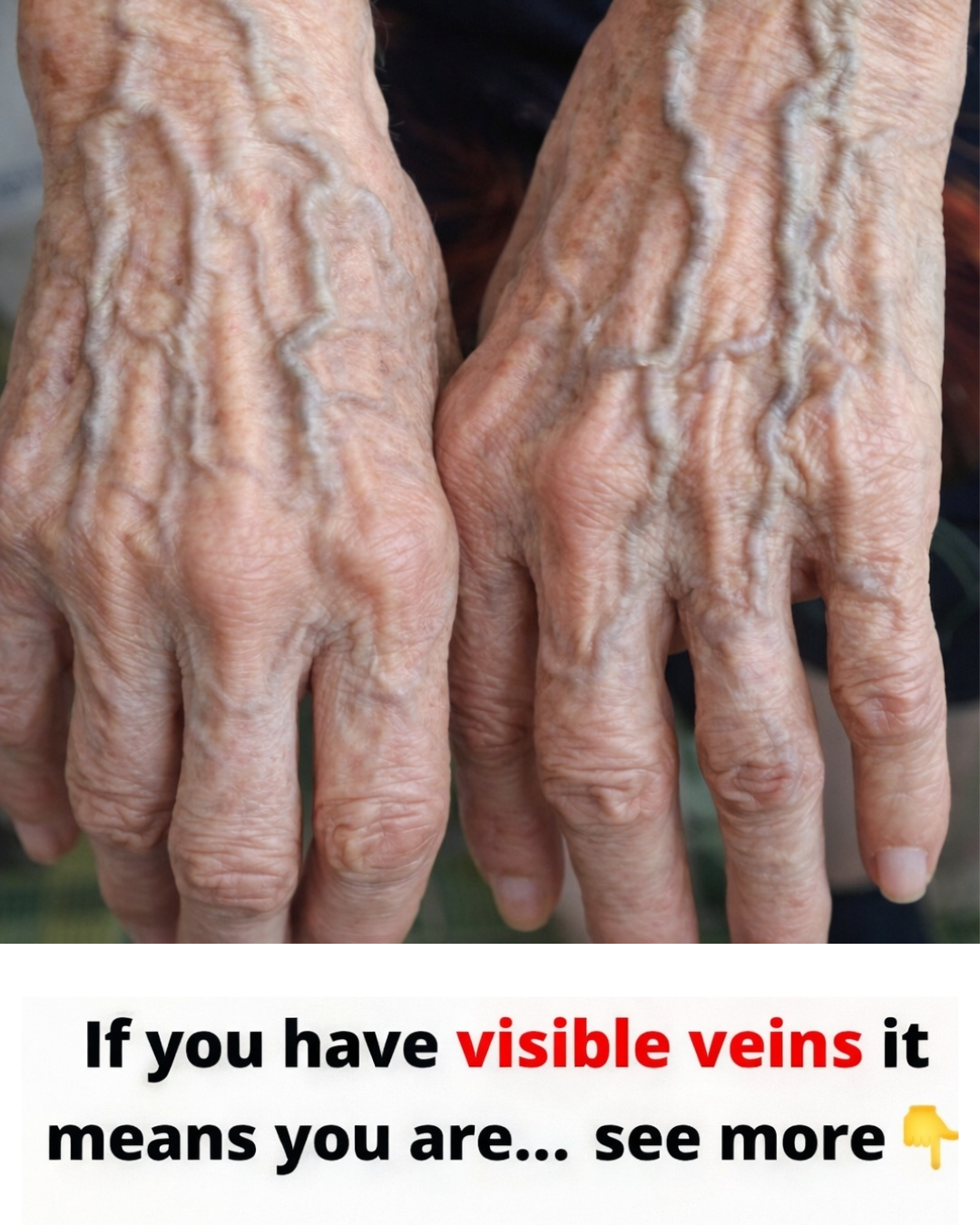
4. Risk factors for vein problems
Several factors increase the risk of developing bulging or varicose veins. Understanding these can help identify individuals who may benefit from early monitoring or preventive measures.
- Family history: Genetics significantly influence vein health. If close relatives have varicose veins, the likelihood of developing them increases.
- Sex: Women are about twice as likely as men to experience vein issues, partly due to hormonal influences such as pregnancy and hormone replacement therapies.
- Age: The risk rises with age, especially after 50, as vein walls and valves naturally weaken over time.
- Weight: Excess body weight adds pressure on leg veins, contributing to valve failure and vein enlargement.
5. Possible complications
While spider veins are mostly harmless, varicose veins can lead to more serious medical issues if untreated. One major concern is chronic venous insufficiency, where blood flow back to the heart is inefficient, causing persistent swelling and skin changes.
Complications may include:
- Venous ulcers: These are slow-healing sores, often found near the ankles, resulting from long-standing vein problems.
- Blood clots: Conditions such as superficial thrombophlebitis (clots near the skin surface) or deep vein thrombosis (DVT) can develop, posing significant health risks.
- Pulmonary embolism: A life-threatening event that can occur if a blood clot breaks free and travels to the lungs.
Early diagnosis and management of varicose veins can reduce the risk of these complications.
6. Impact of medications
Certain medications may influence vein health by affecting blood flow or vein wall strength. Hormonal therapies, including birth control pills and hormone replacement therapy, can increase the risk of developing varicose veins due to their effects on vein walls and blood clotting tendencies.
Additionally, some medications that affect blood clotting, such as anticoagulants or antiplatelet agents, are critical in managing complications like deep vein thrombosis. If you are taking any medication and notice changes in vein symptoms, discuss these with your prescribing healthcare provider rather than stopping any medication on your own.





