7. Lifestyle habits supporting vein health
While genetics and age cannot be changed, adopting healthy lifestyle habits can improve vein function and reduce symptoms related to bulging or varicose veins.
- Stay physically active: Regular walking and leg exercises promote healthy circulation and prevent blood pooling.
- Avoid prolonged immobility: Limit long periods of sitting or standing without movement. Take breaks to walk or elevate your legs when possible.
- Maintain a healthy weight: Reducing excess body weight lessens pressure on leg veins.
- Wear compression stockings: These can support vein walls and improve blood flow, especially during long flights or extended sitting.
- Elevate legs regularly: When resting, raising your legs above heart level can help reduce swelling and venous pressure.
- Avoid tight clothing: Clothing that constricts the waist, thighs, or legs can impair circulation and worsen vein visibility.
When to See a Doctor
Spider veins are generally a cosmetic concern and do not require medical treatment unless desired for appearance. However, consult a healthcare provider if you experience any of the following:
- Sudden leg pain, swelling, warmth, or redness, which could indicate a blood clot
- Open sores or wounds near veins that heal slowly
- Bleeding from a swollen or varicose vein
- Significant changes in skin color or texture around the veins
- Persistent pain, heaviness, or cramping that interferes with daily activities
Early evaluation by a vein specialist can help diagnose underlying conditions and determine appropriate treatment options.
Conclusion
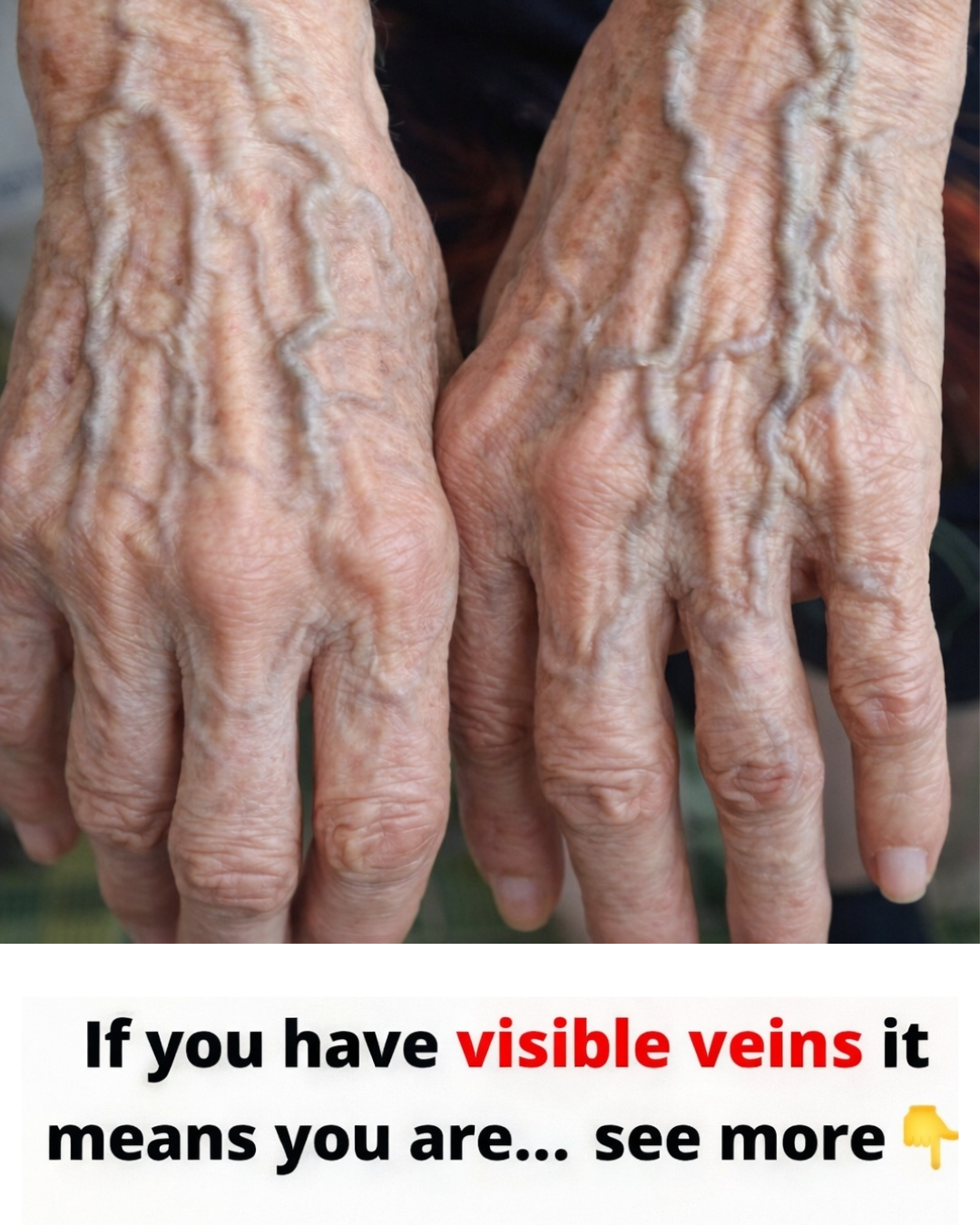
Bulging veins are often harmless and related to factors like aging, activity, or genetics. However, when veins become varicose and cause symptoms such as pain, swelling, or skin changes, they may indicate underlying vein disease that requires medical assessment. Maintaining healthy lifestyle habits and knowing when to seek professional care are essential to preventing complications and preserving vein health.
This information is not a substitute for professional medical advice. If you have concerns about bulging veins or related symptoms, please consult a healthcare provider.





