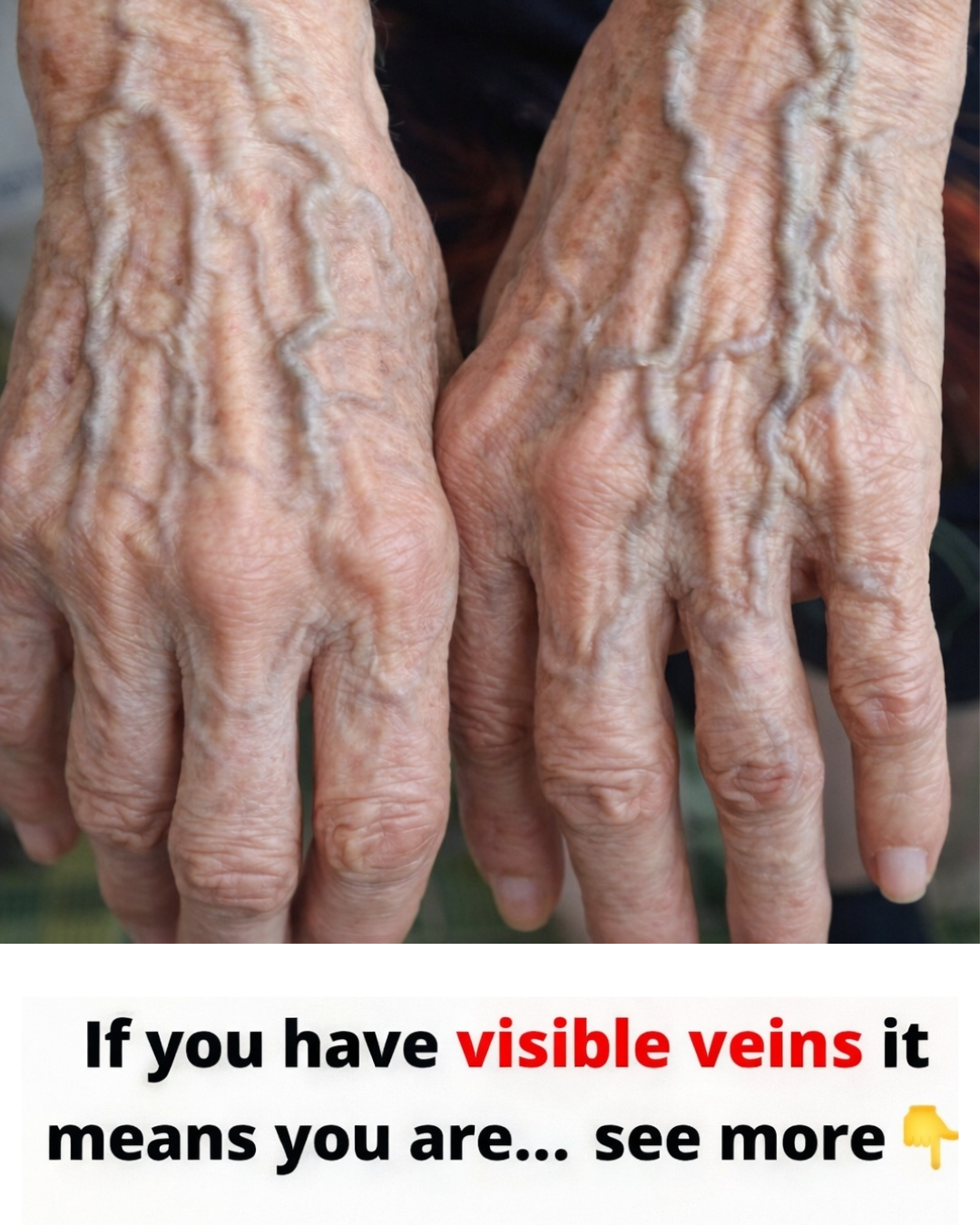
1. Causes of bulging veins
Bulging veins occur when veins become enlarged and more visible beneath the skin. This visibility often results from increased pressure inside the veins, which can happen for several reasons. The vein walls may weaken over time, or the one-way valves that help blood flow back to the heart might fail, causing blood to pool. This pooling stretches and twists the veins, making them bulge.
Common factors that cause veins to bulge include aging, which naturally weakens vein walls and valves; hormonal changes during pregnancy or menopause; prolonged periods of standing or sitting; and excess body weight, which adds pressure to veins, especially in the legs. Genetics also play a significant role, as some people inherit weaker vein structures that predispose them to bulging veins.
2. Spider veins vs varicose veins
Visible veins come in different forms, primarily spider veins and varicose veins, which differ in size, appearance, and potential health impact.
- Spider veins are small, thin blood vessels located near the surface of the skin. They typically look like fine red, blue, or purple web-like lines and are most often found on the face and legs. Spider veins are generally flat and are considered a cosmetic concern rather than a medical one.
- Varicose veins are larger, swollen veins that appear raised and twisted, usually on the legs and feet. These veins result from valve failure inside the veins, leading to blood pooling and increased pressure. Varicose veins are more likely than spider veins to cause symptoms and may lead to complications if left untreated.
3. Symptoms indicating varicose veins
Varicose veins often cause physical symptoms, particularly in the lower limbs. These symptoms tend to worsen throughout the day and may improve with rest or leg elevation. Key symptoms include:
- Aching, heaviness, or throbbing sensations in the legs
- Burning feelings or muscle cramps
- Fatigue or restlessness after long periods of standing or sitting still
- Swelling around the ankles or lower legs
- Itching or irritation near the affected veins
- Skin changes such as discoloration or thickened, leathery patches near the varicose veins
These signs suggest that the veins are not just visible but are affecting circulation and may require evaluation by a healthcare professional.





