If you experience severe abdominal pain, bleeding, or sudden changes in bowel habits, seek medical attention promptly before considering screening options.
Understanding Your Colonoscopy Options: Traditional vs. Virtual
<pColorectal cancer screening is a critical preventive measure that can save lives by detecting early changes in the colon before they develop into cancer. The standard method, traditional colonoscopy, is highly effective but often avoided due to concerns about invasiveness, sedation, and recovery time.
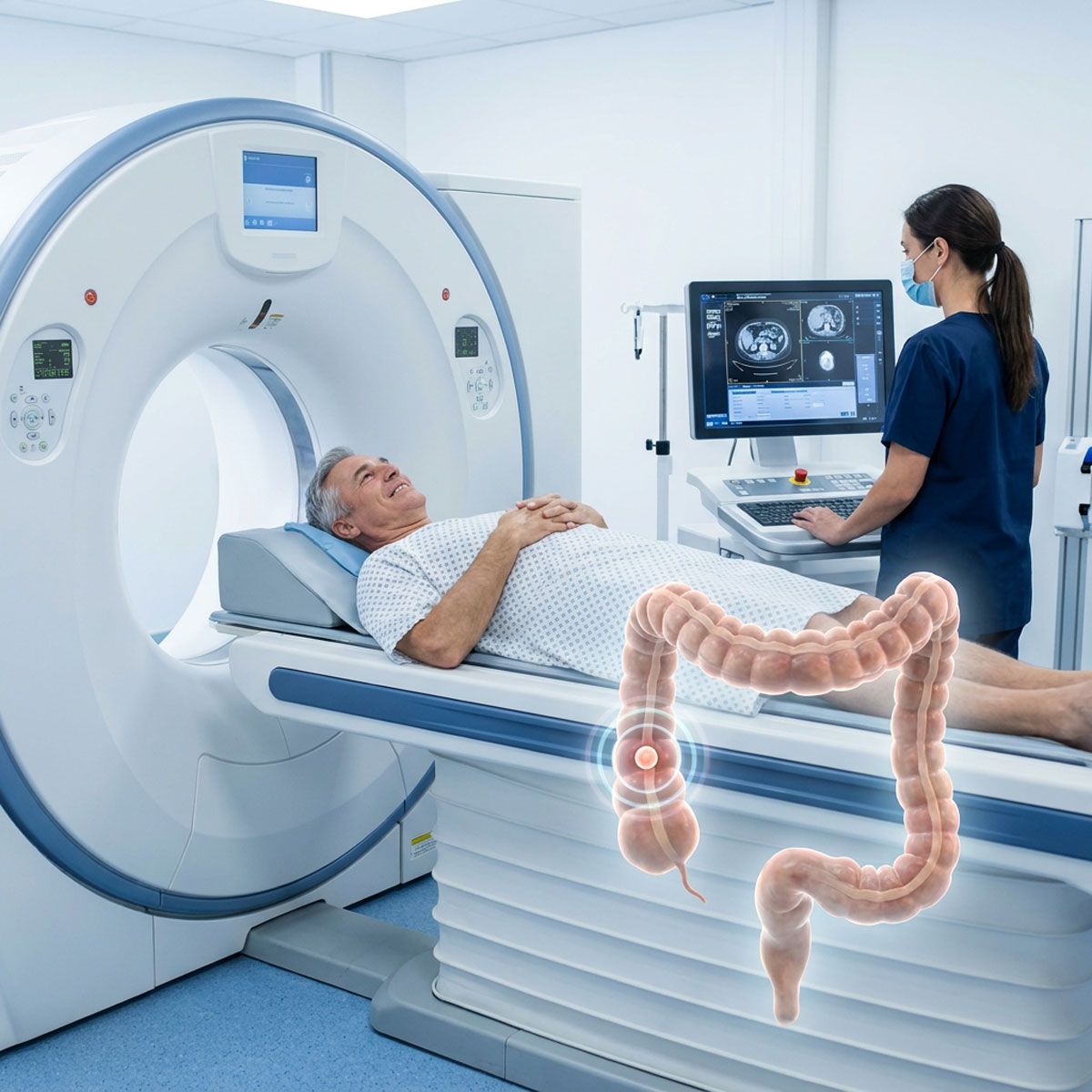
Emerging as a less invasive alternative is virtual colonoscopy, also known as CT colonography, which uses advanced imaging technology to create detailed, three-dimensional pictures of the colon. This method can appeal to those who hesitate to undergo the conventional procedure, yet it is not a complete substitute.
Deciding Which Screening Method Fits Your Needs
The essential first step is to understand that virtual colonoscopy cannot replace all the capabilities of a traditional colonoscopy. While virtual colonoscopy can detect many significant polyps and early cancers, it does not allow for removal of polyps or tissue sampling. If abnormalities are found, a follow-up traditional colonoscopy is usually necessary.
In contrast, traditional colonoscopy provides both diagnostic and therapeutic functions in one session. It involves passing a flexible, camera-equipped tube through the entire colon under sedation, allowing for immediate polyp removal or biopsy if needed.
Check Your Medicine Cabinet and Medical History
Before scheduling any colonoscopy, review your current medications and medical conditions with your healthcare provider. Certain medications or health issues may affect your suitability for sedation or the procedure itself. Virtual colonoscopy may be preferable for individuals who cannot safely undergo sedation or have had incomplete traditional colonoscopies.
Consider Costs and Preparation
Virtual colonoscopy procedures typically last 10 to 20 minutes and often do not require sedation, enabling quicker recovery and lower indirect costs such as time off work. However, both traditional and virtual methods require thorough bowel preparation to clear the colon, which involves dietary restrictions and laxatives.
Radiation exposure is a factor in virtual colonoscopy due to CT imaging, though the dose is low. Serious risks are uncommon but should be discussed with a healthcare professional.
Choosing the appropriate colon cancer screening test depends on individual risk factors, medical history, and personal preferences. Consulting your healthcare provider is vital to make an informed decision that ensures timely and effective screening.
Here are the 10 key aspects to understand about colonoscopy options. Number 6 reveals an important limitation that affects many patients’ decisions.