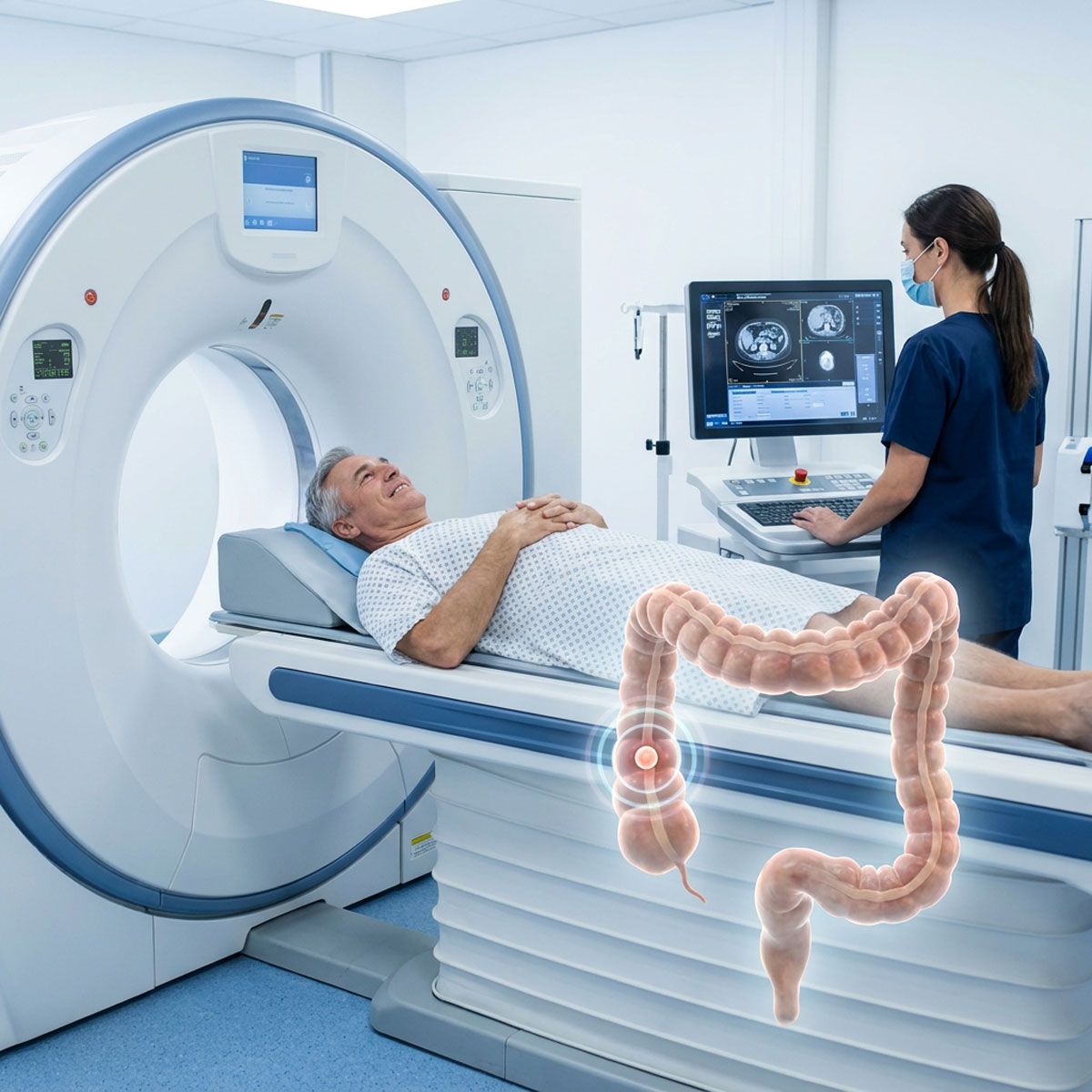
1. Colorectal Cancer Screening Importance
Colorectal cancer is a major health concern because it often develops silently over many years. It typically begins with the formation of small growths called polyps inside the colon lining. While most polyps are initially benign, certain types can progress to cancer if not detected and removed early.
Screening for colorectal cancer is crucial because it enables early detection of these polyps before they turn malignant. Regular screening has been shown to reduce both the incidence and mortality of colorectal cancer by allowing for timely removal of precancerous lesions.
One challenge with colorectal cancer is that it rarely causes symptoms in its early stages. Many people feel completely healthy until the disease reaches an advanced, less treatable phase. Therefore, reliance on symptoms alone is insufficient, and adherence to screening guidelines is essential.
2. What Is a Traditional Colonoscopy?
A traditional colonoscopy is a procedure where a gastroenterologist inserts a long, flexible tube called a colonoscope into the rectum and advances it through the entire colon. The colonoscope is equipped with a tiny camera and a light source, allowing the doctor to visually inspect the colon wall for abnormalities.
During the procedure, if polyps or suspicious areas are found, the doctor can remove them immediately using specialized instruments passed through the colonoscope. This ability to perform polypectomy (polyp removal) and take tissue biopsies makes traditional colonoscopy the definitive standard for colorectal cancer screening.
Patients typically receive sedation or anesthesia to minimize discomfort and anxiety during the procedure. Preparation involves cleansing the bowel thoroughly beforehand to ensure clear visualization. While highly effective, the invasiveness and preparation required for traditional colonoscopy contribute to patient reluctance, prompting interest in alternative methods.