Emergency note: Sudden bone pain or fractures require immediate medical attention. See a healthcare provider promptly if you experience these symptoms.
Understanding the Impact of Harmful Drinks on Bone Health
When it comes to preserving bone strength and preventing osteoporosis, not all beverages pose the same risk. Identifying which drinks contribute most to bone loss is critical for making effective dietary choices and reducing fracture risk.
Bone health depends primarily on maintaining adequate calcium intake, sufficient vitamin D levels, and engaging in regular weight-bearing exercise. However, certain commonly consumed drinks can undermine these efforts by disrupting calcium balance, interfering with bone-building processes, or promoting inflammation.
Why This Matters: Osteoporosis and Fracture Risk
Osteoporosis is a condition characterized by reduced bone mineral density (BMD), making bones fragile and more likely to break. It affects millions worldwide, especially older adults and postmenopausal women. Preventing osteoporosis involves maximizing peak bone mass early in life and minimizing bone loss later.
Regular consumption of specific beverages can accelerate bone loss and increase fracture risk, particularly when paired with low dietary calcium or vitamin D deficiency.
Assess Your Risk: Key Questions to Ask Yourself
- Do you regularly consume sodas, especially colas or dark carbonated drinks?
- Is alcohol a frequent part of your diet, and if so, in what amounts?
- How much caffeine do you consume daily from coffee, tea, or energy drinks?
- Are sugary fruit-flavored drinks or packaged juices common in your diet?
- Do energy drinks make up a significant portion of your beverage intake, particularly if you are an adolescent or young adult?
Check Your Medicine Cabinet
Some medications can affect bone metabolism, including corticosteroids, anticonvulsants, and certain thyroid treatments. While these are unrelated to beverage consumption, combining medication effects with harmful drinks may compound bone health risks. Discuss all medications and supplements with your healthcare provider to understand their implications.
How Harmful Drinks Affect Bone Health: The Mechanisms
Phosphoric acid in colas can disrupt the delicate calcium-phosphorus balance necessary for healthy bone remodeling. This imbalance may reduce bone mineral density over time, especially in women.
Alcohol consumption interferes with vitamin D metabolism, essential for calcium absorption, and inhibits osteoblast activity—the cells responsible for forming new bone. Heavy drinking notably raises fracture risk due to both bone weakening and increased falls.
High caffeine intake increases calcium excretion via urine and may slightly reduce calcium absorption, effects that become significant when dietary calcium is insufficient.
Sugary fruit drinks and packaged juices often replace nutrient-rich beverages like milk, contributing to inadequate calcium intake. Their high sugar content also promotes inflammation, which negatively influences bone remodeling.
Energy drinks combine high caffeine, sugar, and acidity, potentially disrupting calcium balance and replacing healthier drink options. Frequent consumption during adolescence can hinder peak bone mass development, critical for lifelong bone strength.
The Bottom Line: Managing Your Bone Health
Occasional consumption of these drinks is unlikely to cause significant harm. However, regular, long-term intake—particularly alongside a diet low in calcium and vitamin D—can elevate osteoporosis risk. Prioritizing calcium-rich beverages and limiting harmful drinks supports stronger bones and reduces fracture risk.
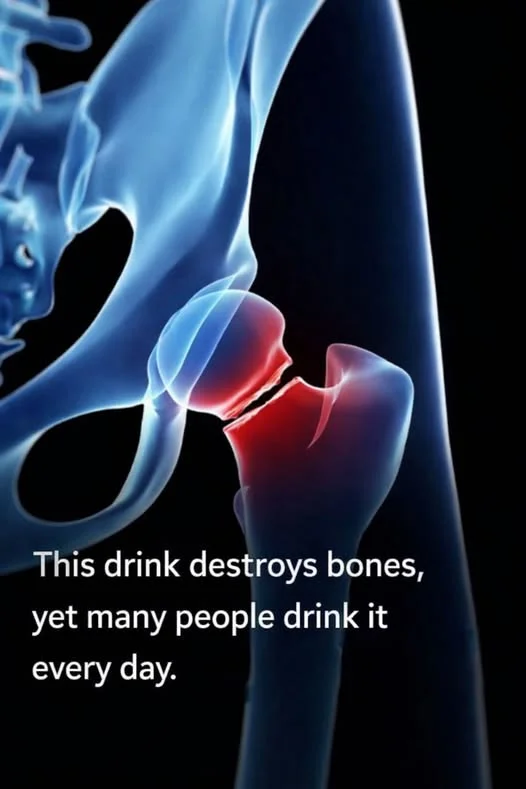
Here are the 5 drinks that negatively impact bone health the most. Number 1 is the one health experts warn about most strongly — and it’s a common daily habit for many.