7. Nighttime hunger
Unusual nighttime hunger can occur in diabetes because when the body cannot use glucose effectively for energy, it signals a need for more fuel. This can manifest as waking during the night feeling hungry or craving food soon after eating.
In people treated with insulin or certain diabetes medications, nighttime hunger can also be a sign of hypoglycemia. If low blood sugar during sleep is suspected, it is important to monitor glucose levels and discuss medication adjustments with a healthcare provider.
While nighttime hunger alone is not diagnostic, when combined with other symptoms it may suggest impaired glucose metabolism.
8. Blurry vision
Changes in blood glucose levels can cause temporary swelling or shape changes in the eye’s lens, leading to blurred or fluctuating vision. Some people notice this particularly upon waking.
Persistent or sudden vision changes require prompt evaluation by an eye specialist because they may indicate diabetic retinopathy or other eye conditions. Early detection and treatment of diabetic eye disease can prevent vision loss.
Regular comprehensive eye exams are recommended for people with diabetes to monitor for changes that may not yet cause symptoms.
9. Morning exhaustion
Fatigue upon waking despite adequate sleep can be related to diabetes due to poor glucose utilization and disrupted sleep from symptoms like frequent urination or nerve pain.
Morning exhaustion may include low energy, difficulty concentrating, and a need for excessive rest. It is a nonspecific symptom but gains significance when occurring with other diabetes indicators such as frequent thirst or blurred vision.
Addressing blood sugar control and sleep quality may improve energy levels over time.
When to See a Doctor
If you experience repeated or worsening symptoms such as frequent nighttime urination, excessive thirst, unexplained fatigue, tingling or numbness in your feet, blurry vision, or sudden weight changes, consult a healthcare professional promptly. Early diagnosis of diabetes allows for timely interventions that can prevent complications.
Seek urgent medical care if you develop severe weakness, confusion, vomiting, rapid breathing, or loss of consciousness, as these may indicate diabetic emergencies.
Conclusion
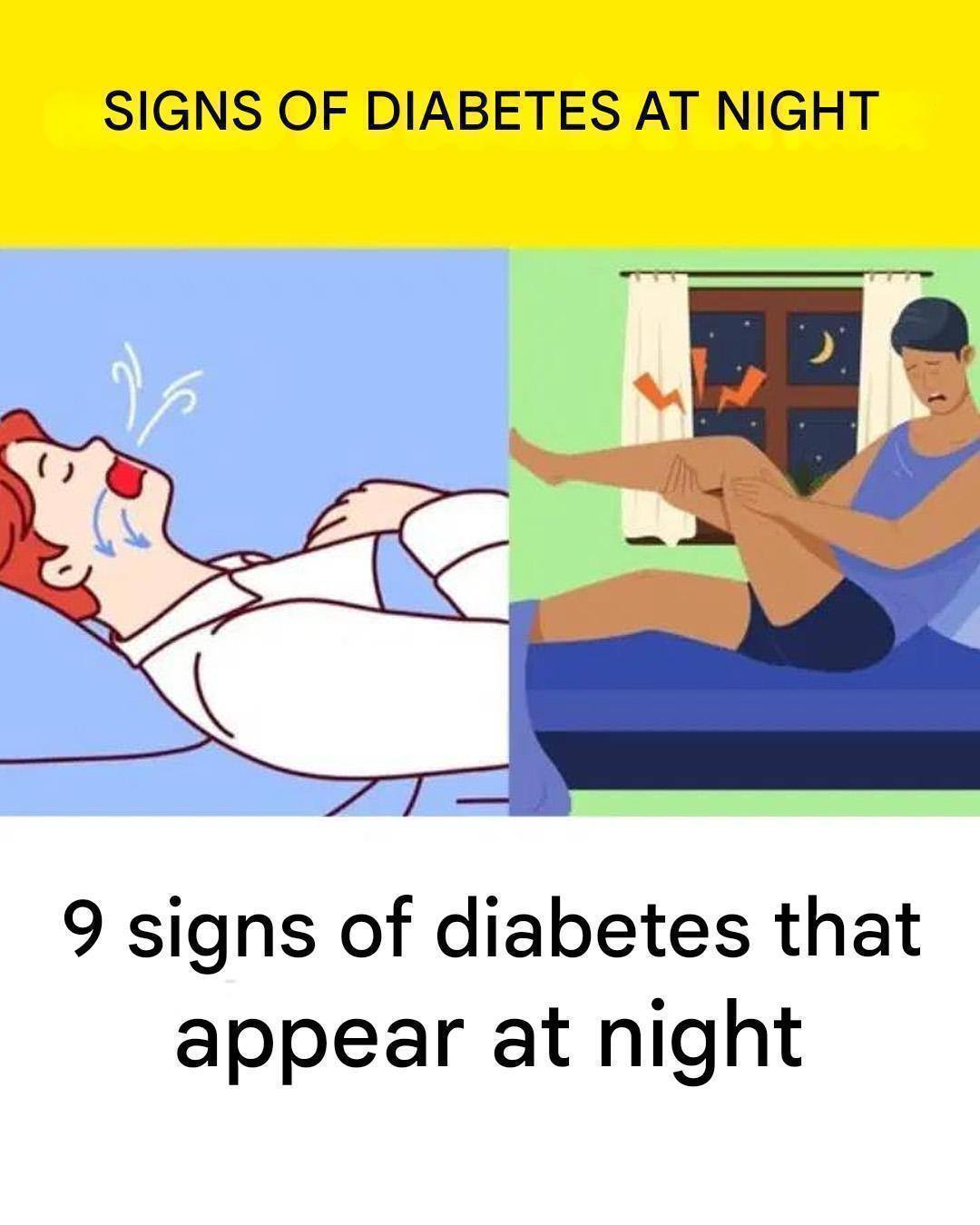
Nighttime symptoms like frequent urination, excessive thirst, restless sleep, night sweats, nerve discomfort, unusual hunger, blurry vision, leg cramps, and morning exhaustion can signal underlying blood sugar imbalances. None of these alone confirms diabetes, but together they warrant medical evaluation.
A simple blood test such as fasting glucose or HbA1c can clarify your diagnosis and guide appropriate treatment. Managing diabetes early reduces the risk of serious complications and improves quality of life.
This information is not a substitute for professional medical advice. Consult your healthcare provider for personalized evaluation and treatment.