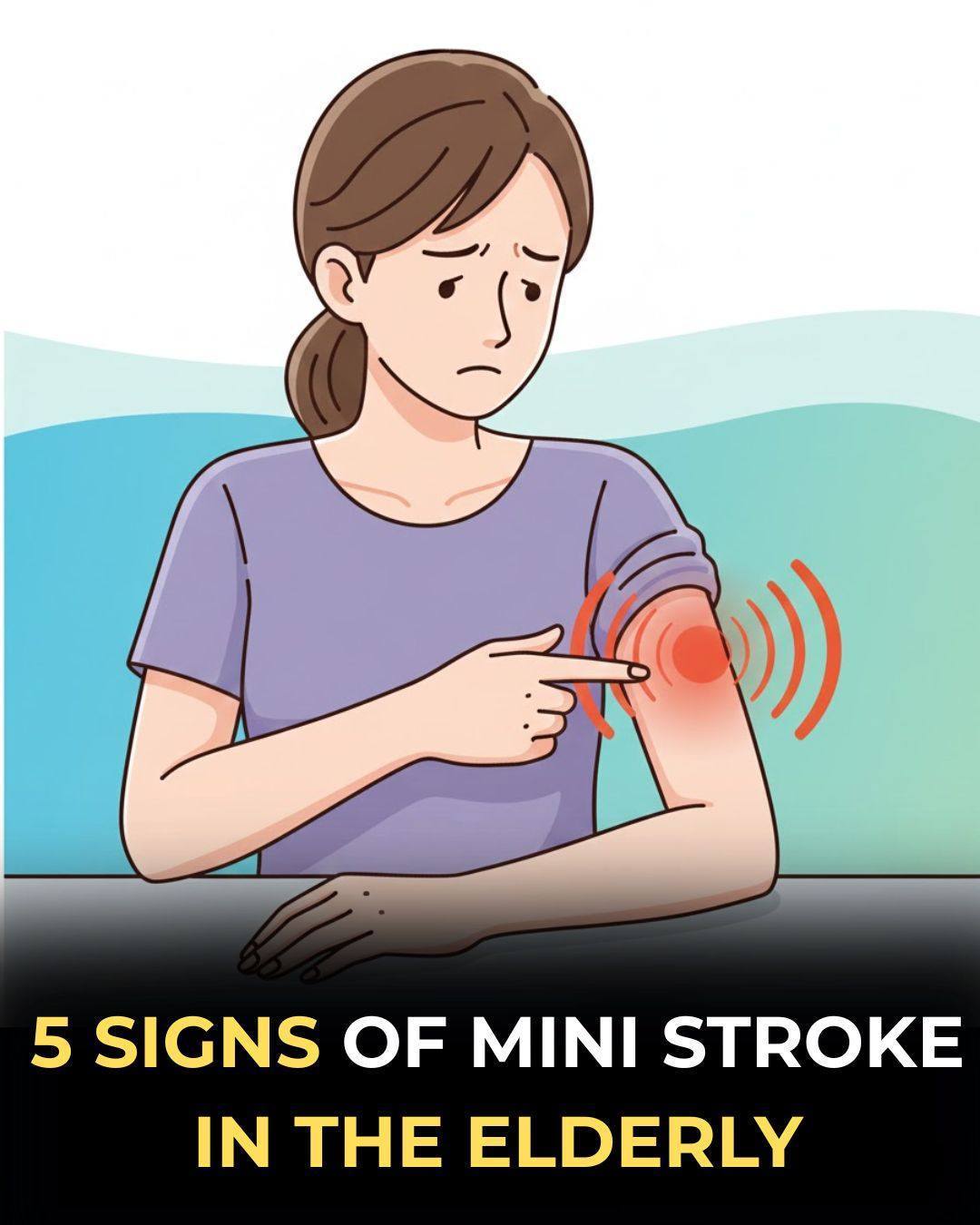
1. Sudden Weakness or Numbness
Sudden weakness or numbness, especially affecting one side of the body, is a hallmark symptom of a mini stroke, medically known as a Transient Ischemic Attack (TIA). This often involves the face, one arm, or one leg and may come on abruptly. Unlike other causes of weakness, this symptom typically resolves within minutes to hours but should never be dismissed as it signals a disruption of blood flow to the brain.
The underlying mechanism involves a brief blockage in the cerebral arteries, which interrupts oxygen delivery to brain tissue. This temporary ischemia causes the affected neurons to malfunction, resulting in weakness or loss of sensation. In practice, this may look like sudden drooping of the mouth on one side, inability to lift an arm fully, or a feeling of numbness or tingling that appears quickly and then subsides.
If you or an elderly person you care for experiences such sudden unilateral weakness or numbness, it is critical to act promptly. Even though symptoms may resolve, this event predicts a significantly increased risk of a full stroke within days to months.
2. Difficulty Speaking or Understanding Speech
Another key sign of a mini stroke is sudden difficulty with speech. This can manifest as slurred speech, trouble finding words, or an inability to understand spoken language. Known medically as aphasia, these symptoms arise when the brain areas responsible for language are temporarily deprived of blood.
In real-life scenarios, the person may start speaking incoherently or respond inappropriately to questions. They might struggle to form complete sentences or repeat the same words. These speech difficulties can appear abruptly and resolve quickly but should never be ignored.
Difficulty speaking or understanding speech during a TIA is particularly concerning because it often indicates involvement of the dominant hemisphere of the brain. Early medical evaluation can lead to diagnostic imaging such as MRI or carotid ultrasound to determine the cause and guide preventive treatment.





