3. Vision Problems
Transient vision disturbances are a common and important warning sign of a mini stroke. These can include sudden loss of vision in one or both eyes, blurred vision, or double vision. Such symptoms occur when blood flow to the visual processing areas of the brain or the optic nerves is briefly compromised.
Patients may describe a curtain or shade descending over their field of vision, seeing double images, or experiencing sudden blurriness that goes away within minutes to a few hours. These visual changes are often frightening but require immediate medical evaluation because they can precede a major stroke.
Since vision changes can also result from other eye conditions, a thorough neurological and ophthalmological assessment is crucial to determine if the cause is vascular. Early intervention may include antiplatelet medications, management of blood pressure, and lifestyle changes to lower stroke risk.
When to See a Doctor
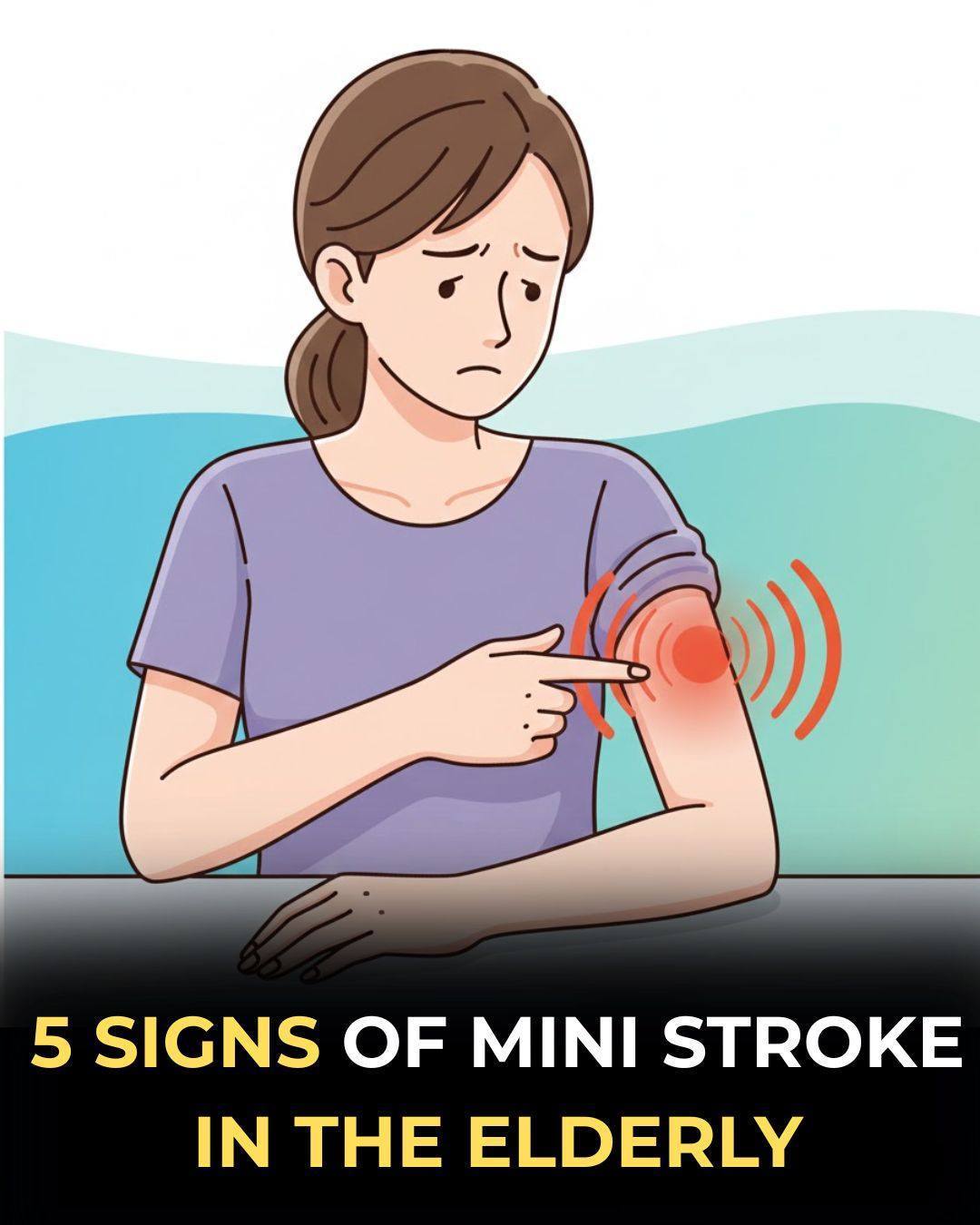
If any of these symptoms—sudden weakness or numbness, difficulty speaking or understanding speech, or vision problems—occur, even if they resolve quickly, seek emergency medical care immediately. A mini stroke is a critical warning sign that requires prompt evaluation, often including imaging studies like MRI or CT scans, and vascular assessments such as carotid ultrasound.
Timely diagnosis can lead to treatments that significantly reduce the risk of a major, potentially disabling stroke. This may involve starting antithrombotic therapy, controlling blood pressure, managing cholesterol, and addressing underlying conditions like atrial fibrillation or diabetes.
Conclusion
Recognizing the signs of a mini stroke in the elderly is vital for preventing severe stroke outcomes. Symptoms like sudden weakness, speech difficulties, and vision problems should never be overlooked, even if they disappear quickly. Early medical intervention can save lives and preserve quality of life by reducing the likelihood of a major stroke.
Disclaimer
This content is for informational purposes only and does not replace professional medical advice. Always consult a qualified healthcare provider for diagnosis and treatment of medical conditions.





