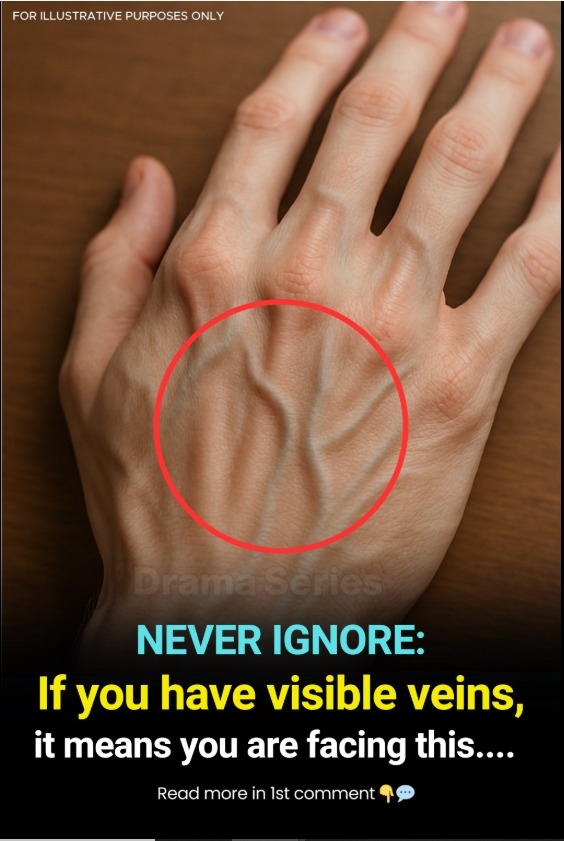
6. Hormonal Changes
Hormonal fluctuations during puberty, menstruation, pregnancy, or other life stages can influence vascular appearance. Hormones such as estrogen impact blood vessel tone and skin elasticity, which can cause veins to look more prominent temporarily.
These changes are typically harmless and resolve as hormone levels stabilize. However, if vein prominence coincides with other symptoms or persists unusually, consulting a healthcare provider is advisable.
7. Natural Anatomy
Some individuals simply have veins that lie closer to the skin surface due to their natural anatomy. This positioning can make veins more visible regardless of body fat, skin thickness, or activity level.
Such anatomical variations are normal and not indicative of any health condition. They reflect the natural diversity of human vascular structure and are usually symmetrical and consistent over time.
8. When to See a Doctor
While prominent hand veins in young adults are usually benign, certain signs require prompt medical evaluation. Seek a doctor’s advice if you experience any of the following:
- Sudden swelling, redness, or warmth in one hand or arm, which could indicate deep vein thrombosis (DVT).
- Tender, inflamed, or hard veins near the skin surface, suggesting superficial thrombophlebitis or infection.
- Twisted, bulging veins accompanied by pain or discomfort, which may signal varicose veins.
- Rapid changes in vein appearance or skin texture, especially if associated with fragility or bruising, which could point to rare connective tissue disorders.
In any case of unexplained symptoms or concerns, a healthcare professional should perform an evaluation to rule out serious conditions.





