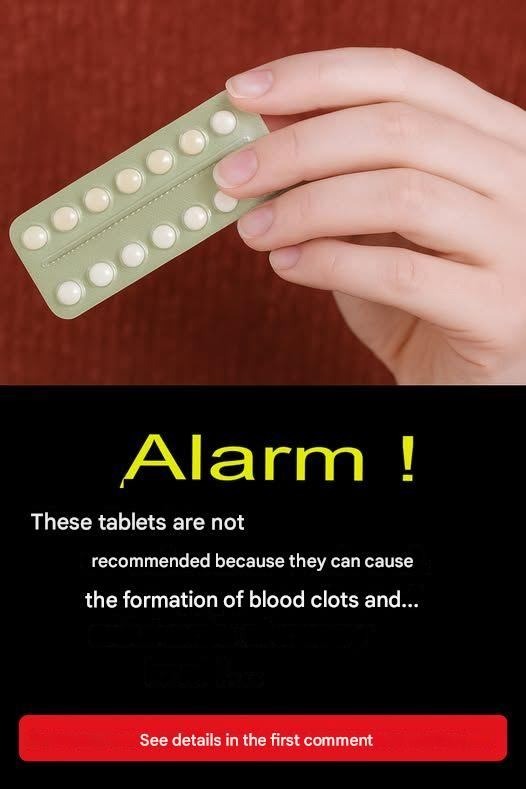
Urgent: If you experience sudden chest pain, shortness of breath, or swelling in your legs, seek emergency medical care immediately.
Understanding the Hidden Risks of Sleep Medications in Hypertension Management
High blood pressure, or hypertension, is a leading cause of serious cardiovascular events like heart attacks, strokes, and kidney failure worldwide. While managing blood pressure often focuses on lifestyle and medication, an overlooked factor is the impact of sleep—and more specifically, the medications used to treat sleep disturbances—on cardiovascular health.
The Crucial Link Between Sleep and Blood Pressure
Sleep quality directly influences blood pressure regulation. Normally, blood pressure dips during deep sleep phases—a phenomenon known as “nocturnal dipping.” When sleep is disrupted, this natural decline may not occur, increasing strain on the heart and blood vessels. Conversely, hypertension itself can cause restless nights and conditions such as sleep apnea, creating a vicious cycle of poor sleep and elevated blood pressure.
Research confirms that around 80% of people with hypertension report sleep problems like insomnia or snoring. Chronic sleep deprivation triggers stress hormones that constrict blood vessels and raise blood pressure over time, worsening cardiovascular risks.
Sleep Medications: Benefits Come with Important Caveats
Many individuals with hypertension-related sleep difficulties use prescription sleep aids, including benzodiazepines and non-benzodiazepine hypnotics (commonly called Z-drugs). While these can provide short-term relief, multiple observational studies highlight concerning associations.
For example, even intermittent use—around 18 doses per year—of some sleep medications has been linked to a 3.5 times higher risk of premature death compared to non-users. Additionally, some sleep aids may modestly increase blood pressure when used regularly without medical supervision.
It is critical to understand that these findings are associations, not proven causations. Underlying health issues like untreated sleep apnea or anxiety often contribute to both the need for sleep medication and heightened cardiovascular risk. This makes careful medical oversight essential to safely managing both sleep and hypertension.
Check Your Medicine Cabinet
If you or a loved one uses sleep medications and has hypertension, review your medications with your healthcare provider. Regular blood pressure monitoring and periodic reassessment of your sleep treatment plan are vital to prevent unintended risks such as blood clots and elevated blood pressure.
Non-pharmacological approaches such as improving sleep hygiene, cognitive behavioral therapy for insomnia, and treating sleep apnea often offer safer, sustainable solutions without the cardiovascular risks linked to some medications.
Open communication with your doctor can help create a personalized treatment plan that supports restful sleep while protecting your heart health.
Here are the 10 key factors to understand about sleep medications and hypertension. Number 7 is the most critical for anyone taking these tablets.





