3. Skin discoloration
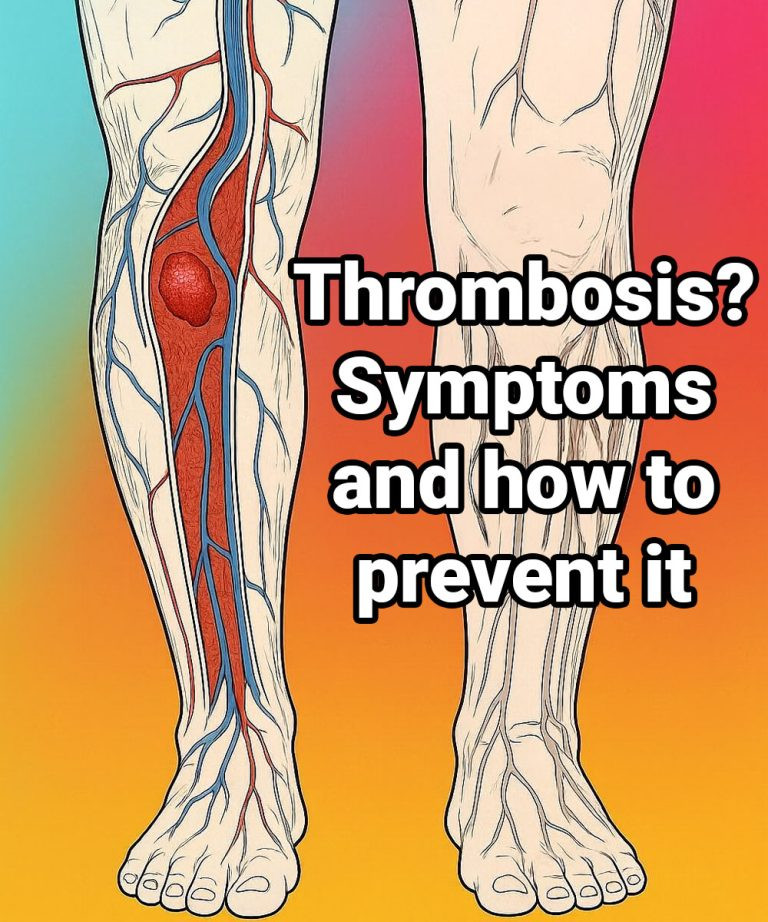
Skin discoloration near the clot site can manifest as redness, bluish or purplish hues, or even a pale appearance. This happens because the blocked blood flow alters oxygen delivery to the tissues, causing visible changes in skin tone. The affected area may also feel warm to the touch compared to surrounding skin.
Such discoloration, especially when combined with swelling and pain, strongly suggests a significant vascular blockage and requires immediate medical attention.
When to See a Doctor
If you notice any combination of sudden swelling, localized pain, or skin discoloration, seek emergency medical care without delay. Thrombosis can quickly lead to life-threatening complications like pulmonary embolism or stroke if untreated. Additional symptoms that demand urgent evaluation include chest pain, difficulty breathing, coughing up blood, or sudden weakness or numbness.
Individuals with risk factors such as recent surgery, prolonged immobility, smoking, obesity, hormone therapy, or a family history of thrombosis should maintain a low threshold for consulting a healthcare provider at the earliest sign of symptoms.
Conclusion
Thrombosis is a serious medical condition that requires timely diagnosis and treatment. Recognizing the key symptoms—sudden swelling, localized pain, and skin discoloration—can lead to early intervention and better outcomes. Preventive measures including staying active, maintaining hydration, avoiding smoking, and managing weight are essential to reduce risk. Always consult your healthcare provider if you suspect a blood clot or have risk factors.
This information is for educational purposes only and does not replace professional medical advice. If you suspect thrombosis, seek immediate medical attention.





