4. Alcohol
Alcohol consumption adversely affects bone density by interfering with the hormonal regulation of calcium metabolism and inhibiting osteoblast function—the cells responsible for forming new bone tissue. Regular alcohol use is also linked to vitamin D deficiency, which is critical for effective calcium absorption.
Even moderate drinking, if frequent, can accelerate bone fragility, increasing the risk of osteoporosis and fractures. This effect is particularly concerning for older adults and individuals with preexisting bone conditions. Limiting alcohol intake and maintaining adequate vitamin D levels through diet or supplements can help protect bone health.
5. Processed Juices
While many assume fruit juices are beneficial, processed and bottled juices often contain high sugar levels, sometimes exceeding those in sodas. Their natural acidity, combined with additives and preservatives, promotes calcium loss and undermines bone strength.
Freshly squeezed juice is a better option but should still be consumed in moderation. Whole fruits provide dietary fiber that slows sugar absorption and supports stable calcium levels, making them a superior choice for bone health.
How to Care for Your Bones Every Day
Maintaining strong bones involves drinking primarily water, natural herbal teas, and calcium-fortified plant-based beverages. A balanced diet rich in green leafy vegetables, almonds, dairy products, and legumes supports bone mineral density. Additionally, sensible sun exposure encourages vitamin D production necessary for calcium absorption.
Regular physical activity such as walking, yoga, or light weight training stimulates bone regeneration and helps preserve skeletal strength.
When to See a Doctor
If you experience persistent bone pain, frequent fractures from minor injuries, or notice a decrease in height or posture changes, consult a healthcare professional. A bone density scan (DEXA scan) can assess osteoporosis risk and guide treatment. Discuss any concerns about diet, alcohol use, or supplement needs with your physician or a registered dietitian.
Conclusion
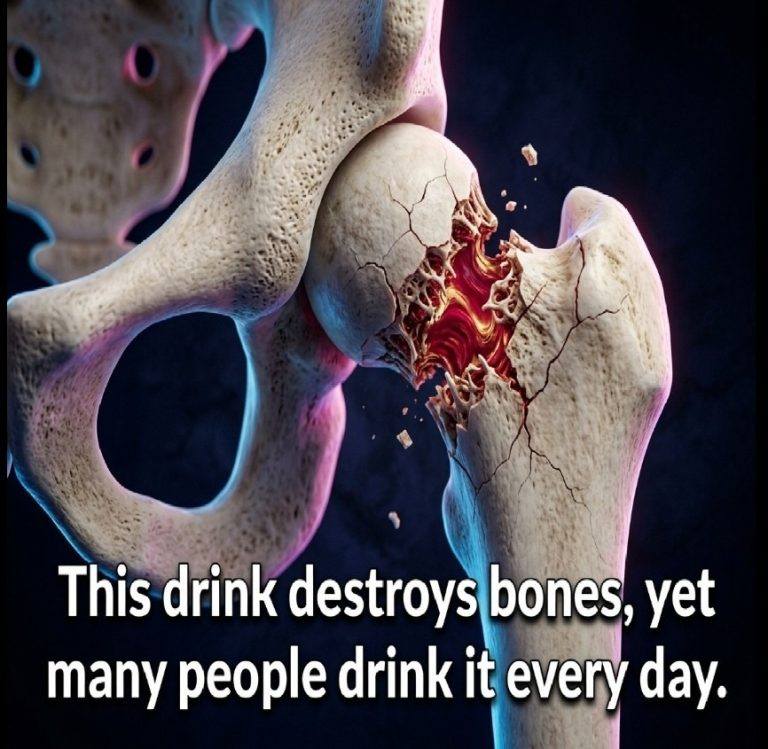
Sugary, acidic, and alcoholic beverages contribute to gradual bone demineralization, often without immediate symptoms. Limiting these drinks, increasing hydration with bone-friendly fluids, and maintaining a nutrient-rich diet combined with regular exercise are effective strategies to preserve bone health and reduce the risk of fractures.
This article is for informational purposes only and is not a substitute for professional medical advice. Consult your healthcare provider for personalized recommendations.