4. Aminoglycoside antibiotics
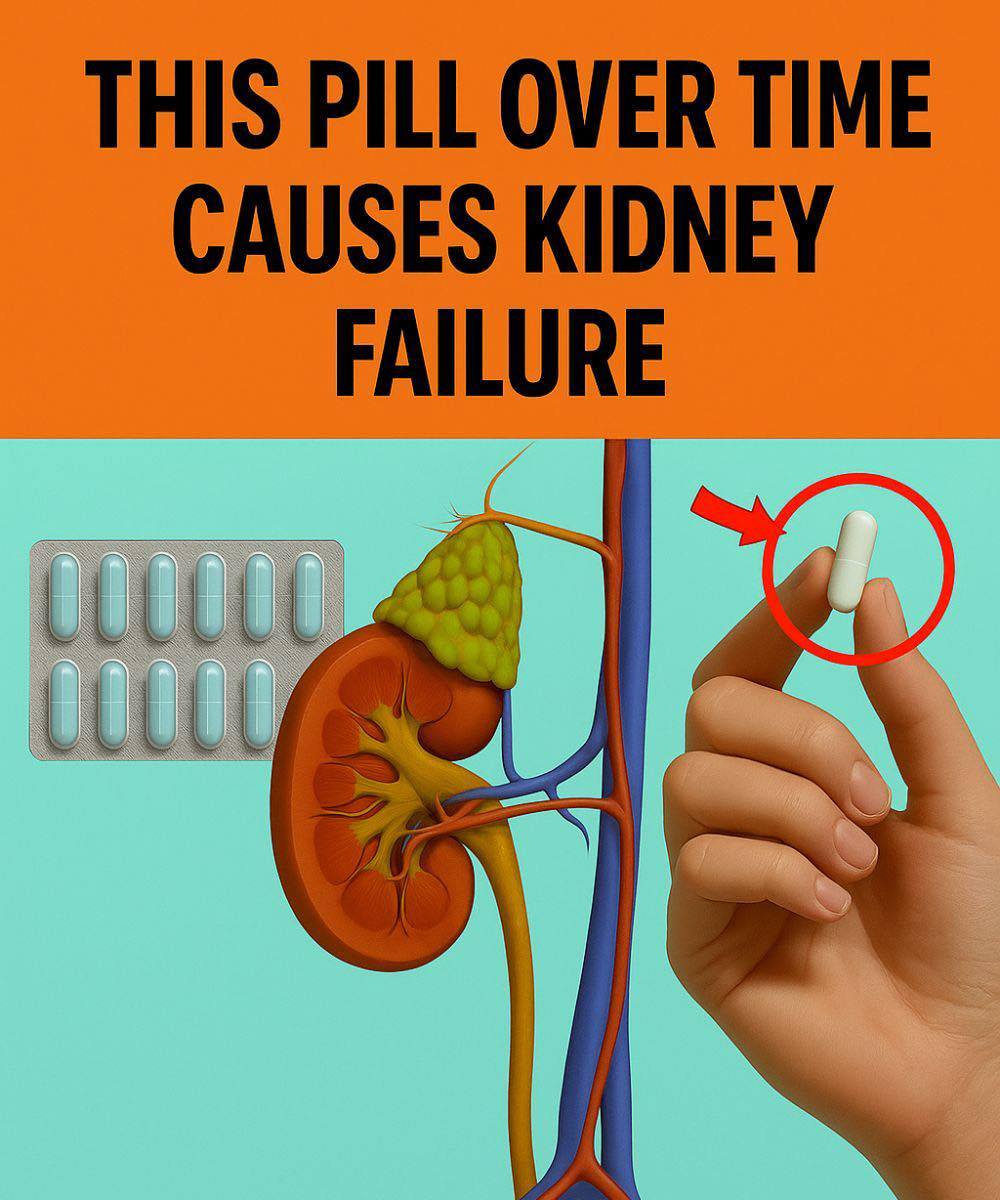
Aminoglycosides, including gentamicin and amikacin, are potent antibiotics used to treat serious bacterial infections. Despite their effectiveness, they are known for their nephrotoxic potential, primarily damaging the nephrons—the functional units responsible for filtering blood and producing urine.
Nephrotoxicity from aminoglycosides can manifest as acute tubular necrosis, which reduces kidney function and can lead to acute kidney injury. The risk increases with higher doses, prolonged therapy, and in patients with pre-existing kidney impairment.
Due to these risks, aminoglycoside administration requires strict medical supervision with careful dosing, hydration monitoring, and frequent kidney function tests such as serum creatinine and urine output measurements.
5. Lithium
Lithium is a cornerstone treatment for bipolar disorder but carries significant risks for kidney health, especially with long-term use. Chronic lithium therapy can lead to nephrogenic diabetes insipidus, causing the kidneys to lose their ability to concentrate urine, and may progress to chronic kidney disease or kidney failure.
Because of these risks, patients on lithium require regular monitoring by both psychiatrists and nephrologists. This monitoring typically includes blood lithium levels, kidney function tests, and evaluation for signs of kidney impairment.
Adjustments in lithium dosing or switching to alternative mood stabilizers may be necessary if kidney damage is detected.
When to See a Doctor
If you are taking any of the medications discussed and experience symptoms such as decreased urine output, swelling in the legs or face, unexplained fatigue, persistent nausea, or high blood pressure, consult your healthcare provider promptly. Regular kidney function testing through blood and urine tests is essential when on these drugs, especially if used long-term.
Conclusion
Many common medications can impact kidney health when used improperly or over extended periods. Awareness of these risks and close collaboration with healthcare professionals can help prevent kidney damage. Never stop or adjust prescribed medications without medical advice. Instead, discuss any concerns or symptoms with your doctor, who can guide appropriate monitoring and treatment adjustments.
This information is not a substitute for professional medical advice. Always consult your healthcare provider about your medications and kidney health.





