5. How often to disinfect and replace
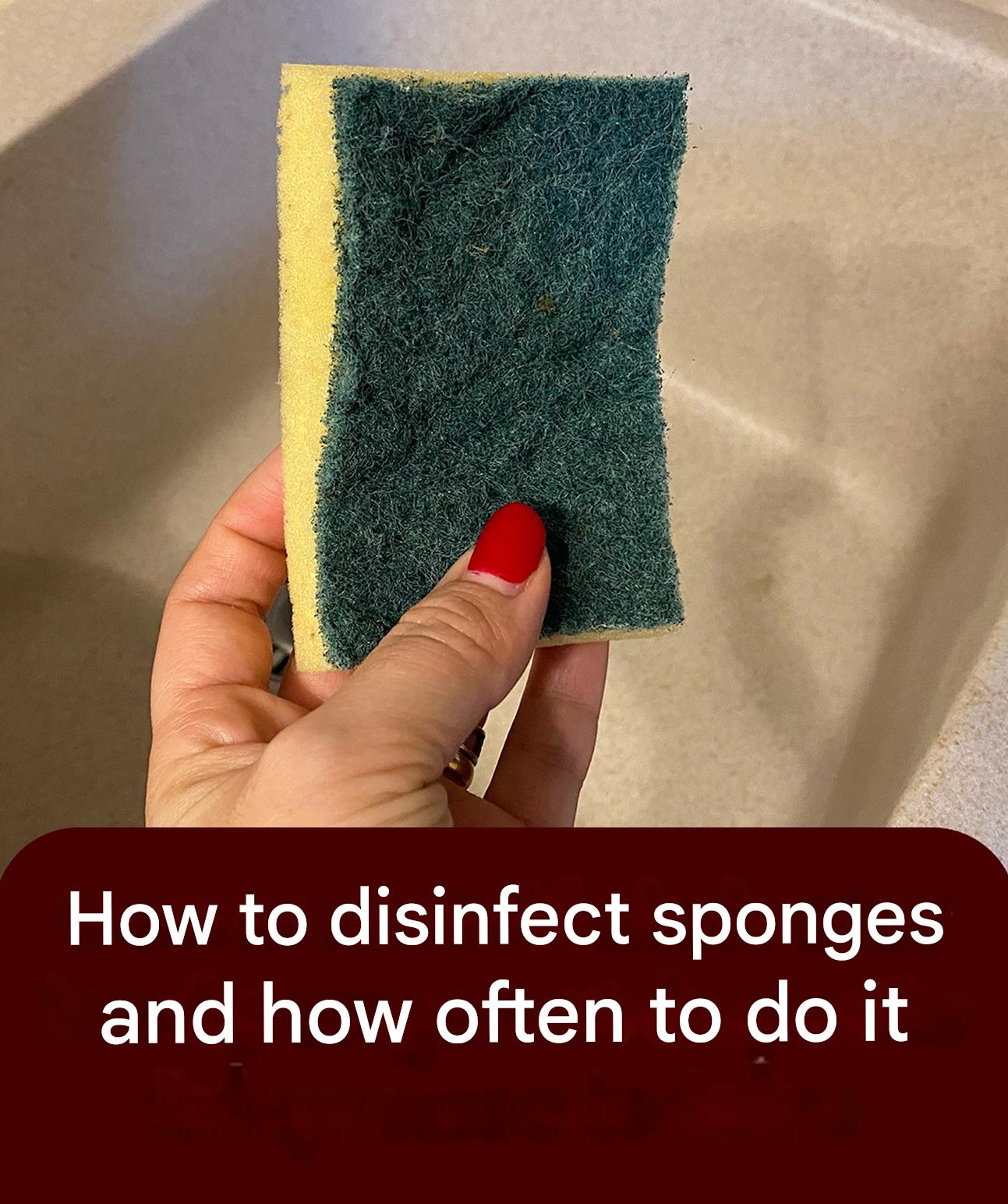
Maintaining sponge hygiene involves both regular disinfection and timely replacement. Ideally, disinfect sponges every two to three days to minimize microbial load. This frequent cleaning helps prevent the buildup of bacteria that can cause unpleasant odors and potential health risks.
Despite regular disinfection, sponges degrade with use. It is advisable to replace them every one to three weeks, depending on frequency of use and condition. Signs that a sponge needs replacement include persistent odor after washing, visible wear, or discoloration.
- Alternate between two sponges to allow one to dry fully while the other is in use; drying inhibits microbial growth naturally.
- Store sponges in a well-ventilated area to facilitate drying between uses.
6. Common ineffective or harmful methods
Several popular home remedies such as soaking sponges in white vinegar, lemon juice, or baking soda only mask odors and remove surface grease but do not effectively disinfect the sponge fibers. These treatments do not penetrate deeply enough to eliminate embedded microbes.
Using bleach on dirty sponges is also discouraged because organic material reduces bleach’s efficacy and residues may remain in the sponge. This can pose safety concerns and fail to achieve thorough disinfection.
If a sponge is heavily soiled, damaged, or has been used to clean hazardous substances, immediate disposal is the safest option.
Practical guidance and when to see a doctor
Regularly disinfecting and replacing kitchen sponges is a simple yet important step to reduce the risk of foodborne illness and maintain a hygienic cooking environment. If you experience recurrent gastrointestinal infections or skin irritations linked to kitchen use, review your sponge hygiene practices and consider consulting a healthcare professional for evaluation.
Conclusion
Sponges can harbor harmful microbes if not properly maintained. Effective disinfection methods such as microwaving wet sponges, using the dishwasher, or boiling in water help control bacterial growth. Regular replacement and proper drying further reduce contamination risks. Avoid ineffective cleaning agents or harmful practices that fail to sanitize the sponge thoroughly.
Disclaimer: This information is intended for general guidance only and does not replace medical advice. Consult a healthcare provider for concerns about infections or related health issues.





