How Steam Cleaning Works
Steam cleaning the oven harnesses the power of hot water vapor to effectively loosen and dissolve baked-on grease, food residue, and grime. When water heats up inside the oven, it generates steam that penetrates and softens stubborn deposits, making them easier to remove without harsh scrubbing or chemicals.
The key is that steam’s moisture and heat work together to break down the bonds holding burnt-on debris to surfaces. This softening effect significantly reduces the need for abrasive tools or toxic cleaners, preserving the oven’s enamel and metal parts while delivering a thorough clean.
Because steam cleaning uses only water—and optionally vinegar for extra degreasing—it’s an ideal method for households concerned about chemical exposure or environmental impact.
Preparing the Oven
Start by removing any loose crumbs, food particles, and oven racks if you plan to clean them separately. This ensures that steam can reach all interior surfaces evenly and prevents water from pooling in places where it could cause damage.
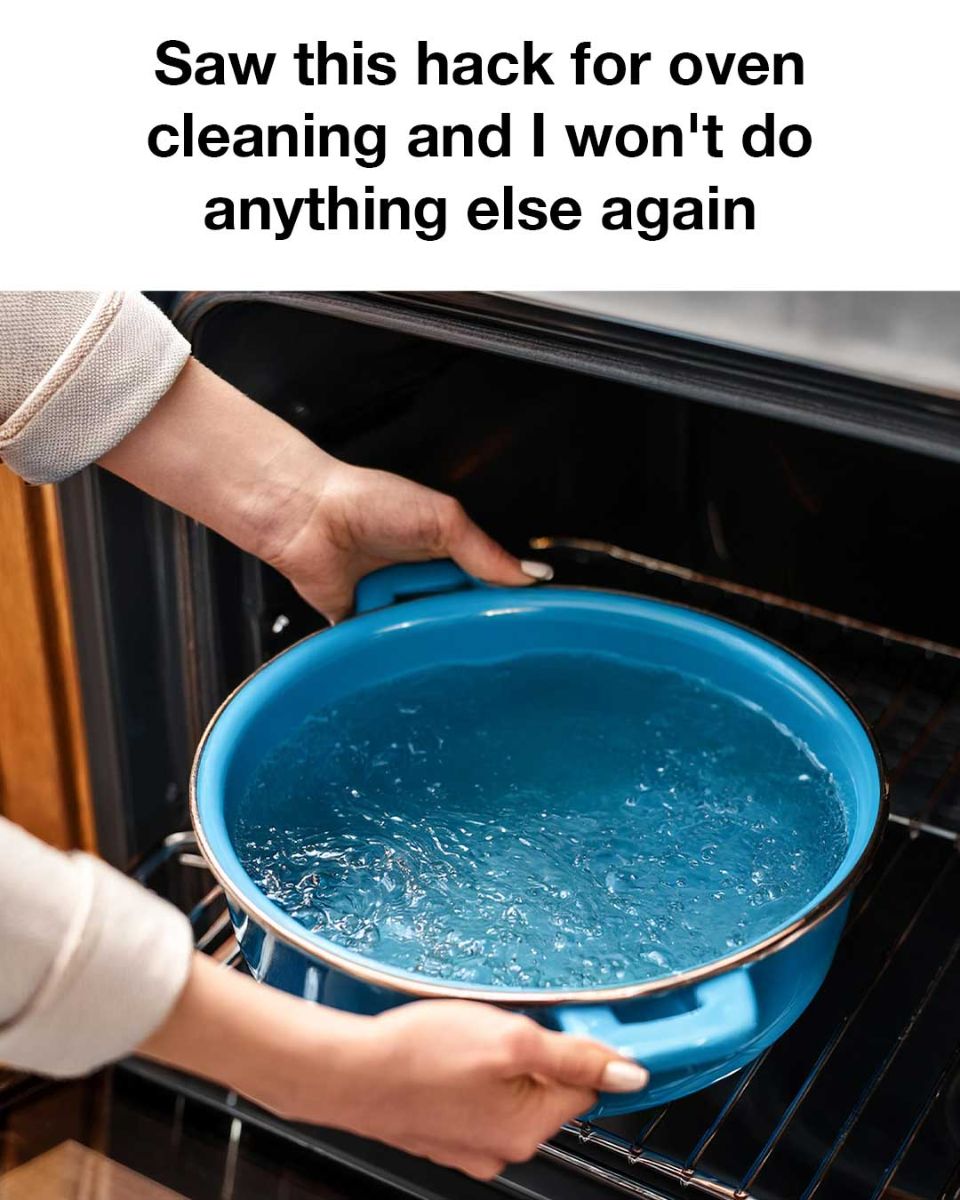
Choose a heatproof dish or baking pan that fits comfortably on a middle rack without touching the oven walls or heating elements. Fill it with about 1 to 2 inches of water. For ovens with heavy grease buildup, add a cup of white vinegar to the water to boost the steam’s degreasing power.
Preheat the oven to approximately 400°F (200°C). This temperature is sufficient to generate consistent steam without risking damage to the oven’s interior components.
Using Steam to Loosen Grime
Once the oven reaches the target temperature, place the water (and vinegar) dish securely on the middle rack. Close the door and allow the water to steam for 20 to 30 minutes. During this period, the hot vapor circulates throughout the oven cavity, softening baked-on food particles and grease.
After steaming, turn off the oven and carefully open the door to let it cool for a few minutes. The oven should be warm but safe to touch. This cooling period prevents burns and allows the softened grime to be wiped away easily.
It’s important not to let water collect near electrical parts like heating elements or fans, as excess moisture could cause damage. Maintaining proper placement of the water dish and monitoring steam duration helps avoid this risk.





