6. Internal Use for Digestion
Boiled rice water has traditionally been used internally as a hydrating and mild digestive aid. It can help soothe the stomach by providing electrolytes and a gentle source of carbohydrates, which may be beneficial during mild digestive upset.
However, internal use should always rely on properly boiled and strained rice water to ensure safety and cleanliness. Anyone with persistent gastrointestinal symptoms should seek medical evaluation rather than relying solely on home remedies.
7. Basic Soaking Preparation
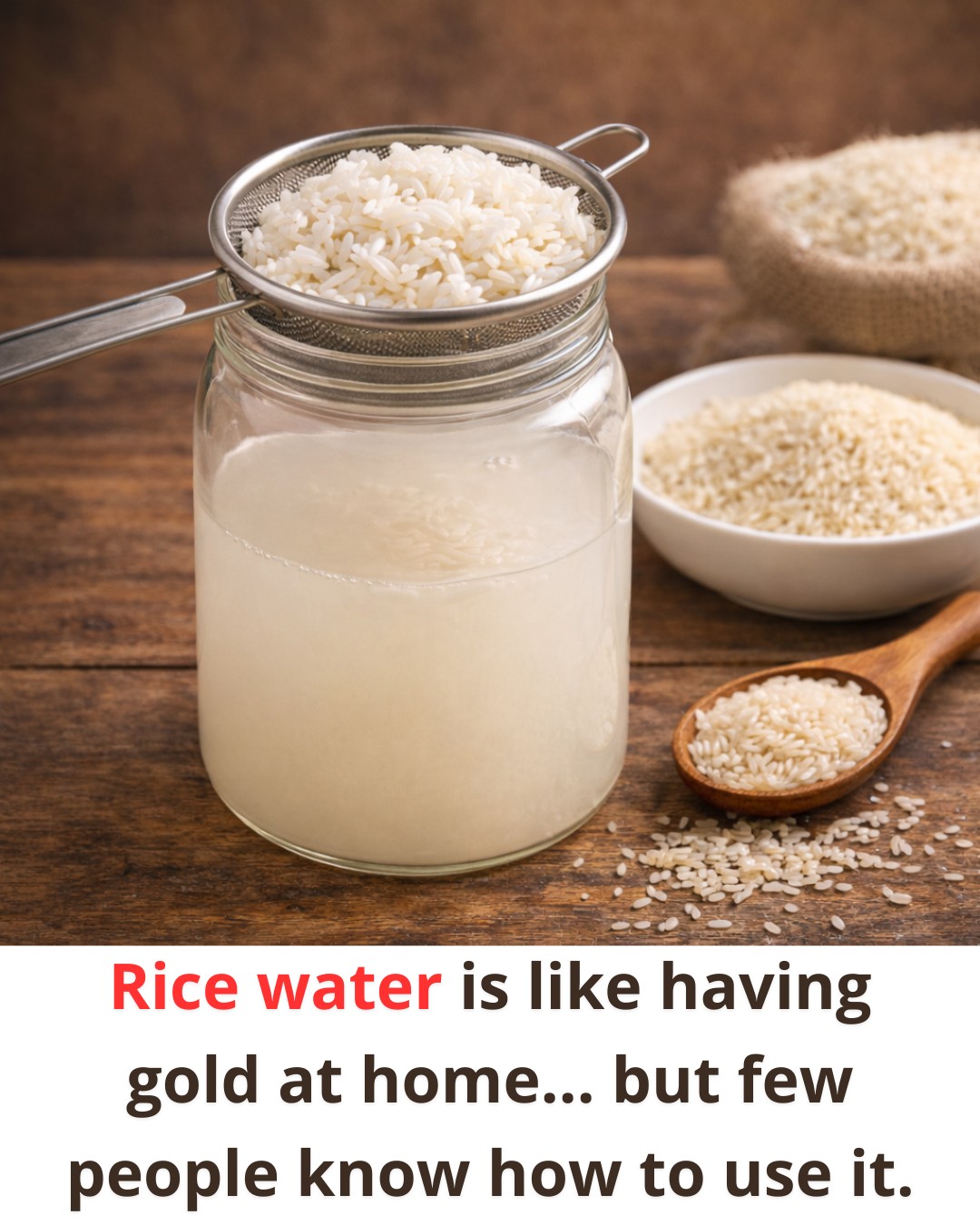
To prepare rice water using the soaking method, start with ½ to 1 cup of uncooked rice. Rinse thoroughly to remove impurities and debris. Then soak the rice in 2 to 3 cups of clean water for about 30 minutes, stirring occasionally to help nutrients leach out.
After soaking, strain the cloudy water into a clean container. This liquid can be used immediately or stored in the refrigerator for up to one week. It is ideal for skin applications due to its mildness and nutrient content.
8. Fermented Rice Water Method
For the fermented version, begin with soaked rice water as described above. Leave the strained liquid covered at room temperature for 24 to 48 hours until it develops a mildly sour aroma, indicating fermentation.
Fermentation may enhance the availability of antioxidants and other beneficial compounds. Before use, refrigerate the fermented rice water and dilute it 1:1 with plain water to reduce the risk of irritation. Store refrigerated and discard if off-smelling or discolored.





