9. How to Reassess Your Personal Risk
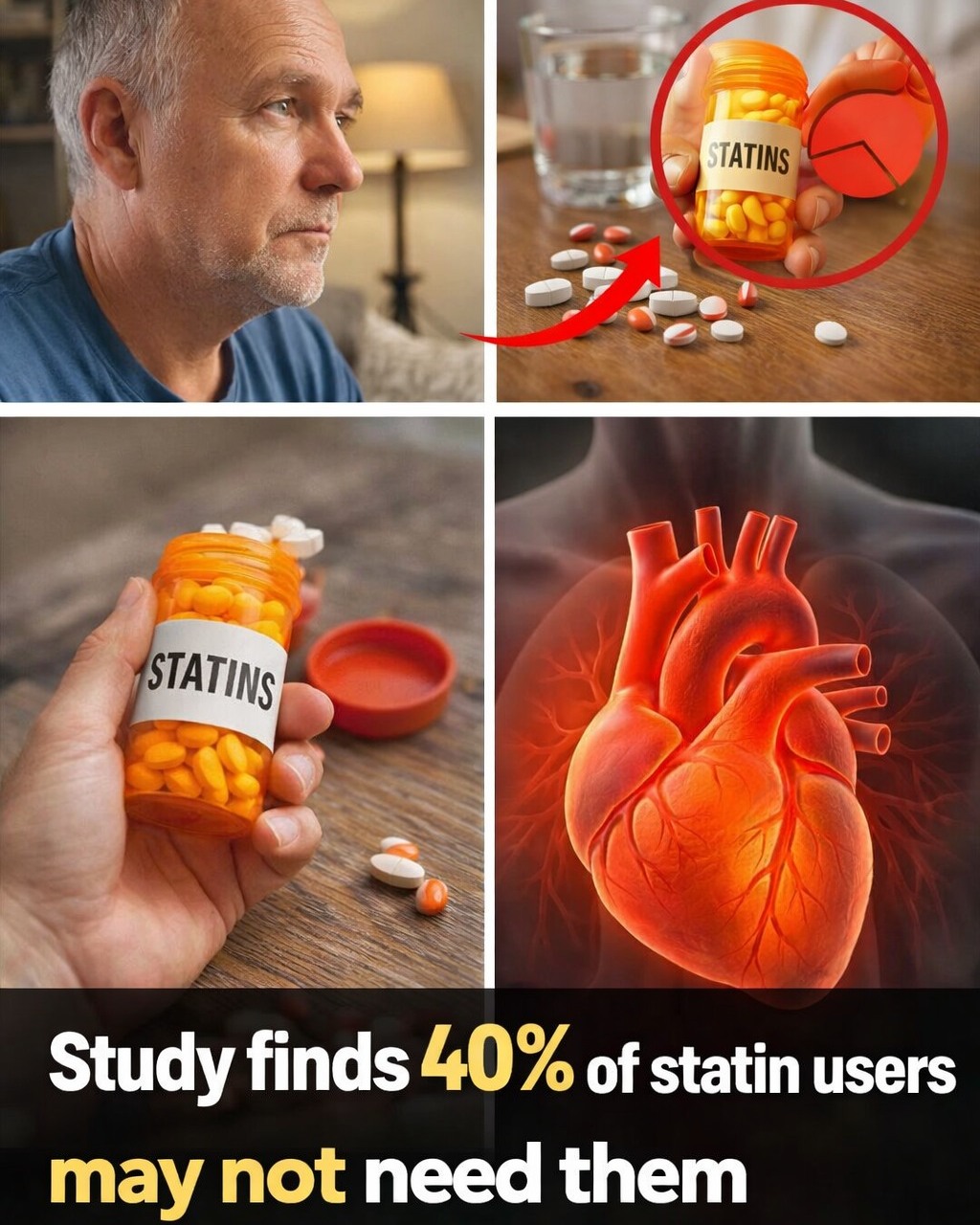
If you were prescribed statins based on older risk assessments or borderline scores, it may be worthwhile to reevaluate your cardiovascular risk with updated tools and additional testing. This process should be individualized and guided by your healthcare provider.
Steps to reassess risk include:
- Review your latest lab results, including LDL cholesterol, HDL cholesterol, triglycerides, fasting glucose or HbA1c, and blood pressure readings.
- Consider advanced testing such as coronary artery calcium (CAC) scoring, which uses CT imaging to detect calcified plaque and better stratify risk beyond traditional calculators.
- Evaluate changes in lifestyle factors since your initial assessment, including exercise, diet, smoking status, and weight.
- Discuss with your provider whether newer risk models or biomarkers like hs-CRP may refine your risk profile.
- Based on this comprehensive evaluation, decide collaboratively on the appropriateness of continuing, adjusting, or potentially pausing statin therapy.
10. Working with Your Healthcare Provider
Effective cardiovascular risk management requires an ongoing partnership with a qualified healthcare professional. They can interpret risk scores in the context of your overall health, family history, and preferences.
When discussing statin therapy or lifestyle changes, be open about your concerns, side effects, and goals. Ask questions about the rationale for medications, alternative options, and monitoring plans.
Your provider can also coordinate appropriate testing, offer referrals to nutritionists or exercise specialists, and support you in making sustainable health improvements.
When to See a Doctor
- If you experience muscle pain, weakness, or unexplained fatigue after starting statins.
- If you want to reassess your cardiovascular risk or medication regimen.
- If you have new symptoms such as chest pain, shortness of breath, or palpitations.
- If you need guidance on lifestyle changes tailored to your health status.
- If you have concerns about side effects or drug interactions.
Conclusion
Recent research highlights that older cardiovascular risk calculators may have overestimated the need for statin therapy in some individuals. While statins remain a cornerstone for many high-risk patients, a more nuanced, personalized approach that incorporates inflammation, metabolic health, and lifestyle factors can optimize heart disease prevention.
Collaborating closely with your healthcare provider to reassess your risk and embrace heart-healthy habits provides the best path forward. This approach balances medication benefits with minimizing unnecessary treatment and empowers you to take control of your cardiovascular health.
Disclaimer: This article is for educational purposes only and does not substitute professional medical advice. Always consult your healthcare provider before making changes to medications or health routines.





