6. Vision changes
Transient vision disturbances are common warning signs of a TIA. These can include sudden blurred vision, double vision, or partial loss of vision in one or both eyes. Sometimes, people describe seeing dark spots or a curtain descending over their field of view.
These symptoms occur when the blood flow to parts of the brain or the optic nerve is briefly interrupted. Even if vision returns to normal quickly, these episodes signal a need for urgent medical evaluation.
Ignoring these symptoms risks progression to a more severe stroke affecting vision or other brain functions.
7. Dizziness and balance issues
Sudden dizziness, loss of balance, or difficulty walking can occur during a mini-stroke, especially when the cerebellum or brainstem is affected. Individuals may feel unsteady, experience vertigo, or have trouble coordinating movements.
These symptoms increase the risk of falls and injury and are often overlooked because they can mimic less serious conditions. However, their sudden onset combined with other signs should prompt immediate medical attention.
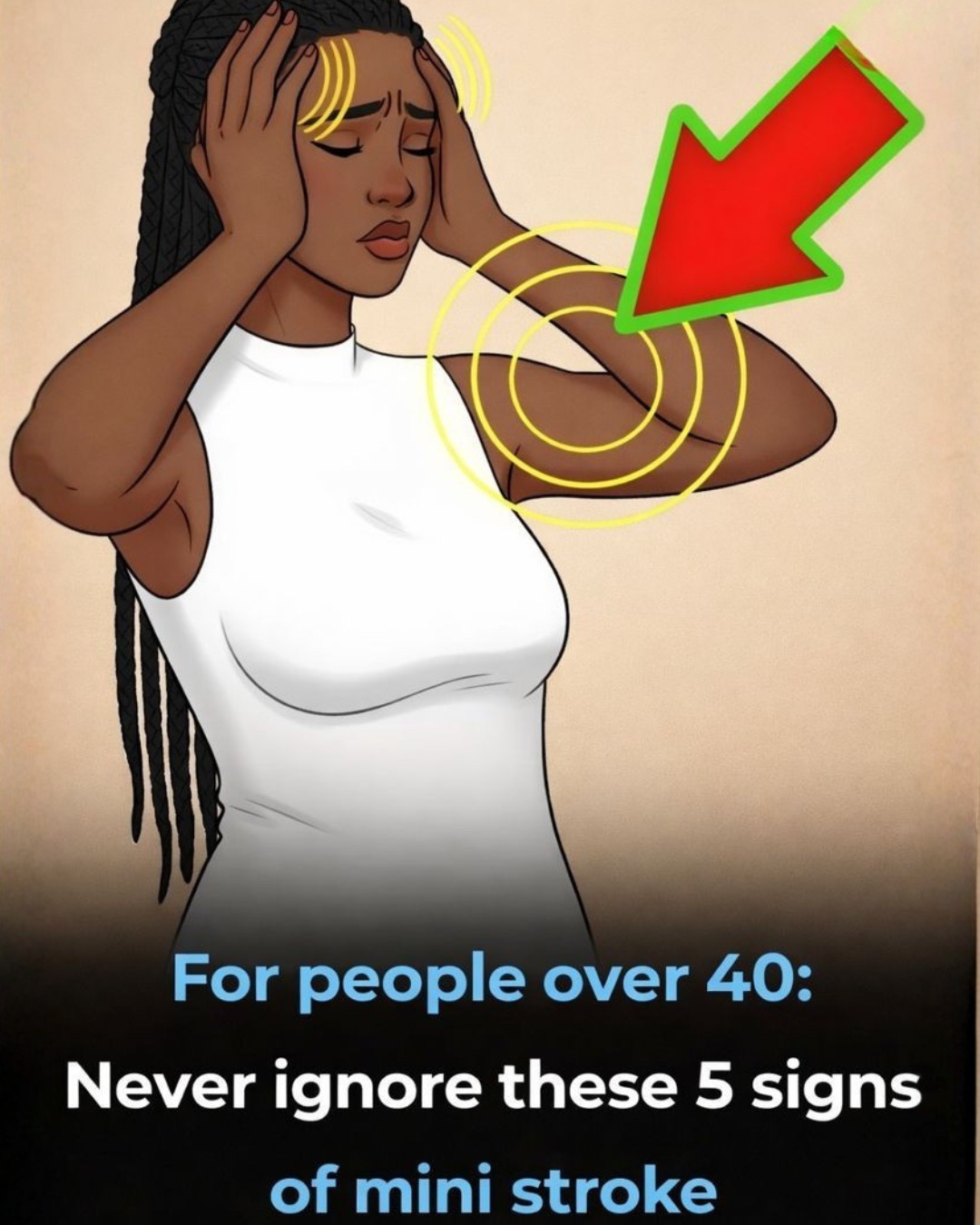
8. Severe headache
A severe, unexplained headache may accompany a TIA, though it is less common than other symptoms. This headache can be sudden and intense, different from typical migraines or tension headaches.
If a severe headache occurs alongside any other mini-stroke signs, it requires urgent evaluation to rule out stroke or other serious neurological conditions.
Do not wait for the headache to subside before seeking help.





