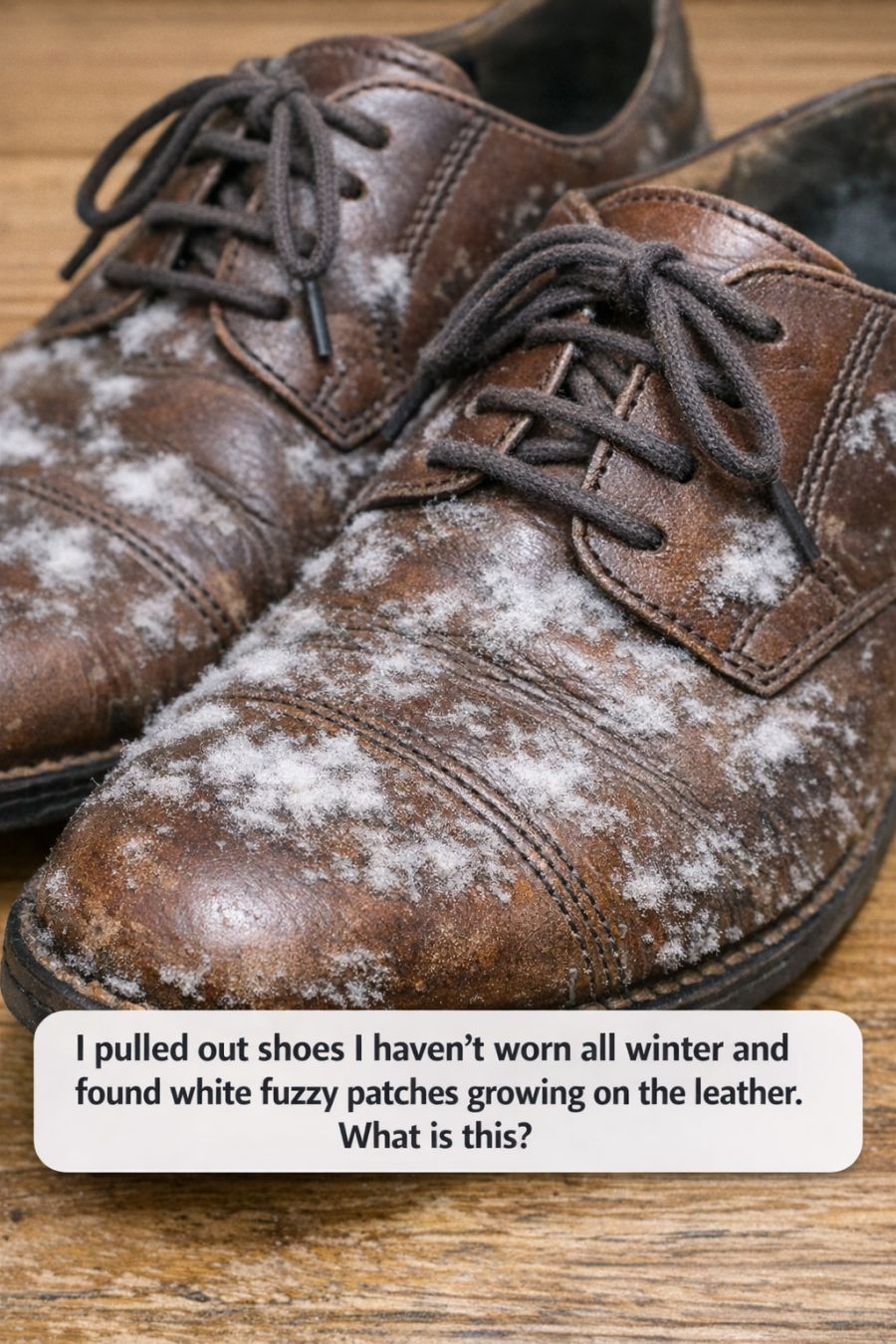
6. Safe mold removal
Begin by taking your shoes outdoors to prevent spreading mold spores indoors. Use a soft-bristled brush to gently remove loose mold from the surface without damaging the leather. Prepare a cleaning solution with equal parts white vinegar and water; vinegar is a natural antifungal that inhibits mold growth.
Dampen a soft cloth with the solution and carefully wipe the affected areas. Avoid soaking the leather, as excess moisture can cause damage. After cleaning, air-dry the shoes in a well-ventilated area away from direct sunlight or heat, which can dry out and crack leather. Once dry, apply a leather conditioner to restore suppleness.
7. Suitable cleaning products
White vinegar diluted with water is effective and generally safe for leather when used properly. Diluted rubbing alcohol can also kill mold spores but must be tested first on an inconspicuous area to prevent discoloration.
Avoid bleach and hydrogen peroxide; these can bleach or damage leather finishes. Always test any cleaner on a hidden spot to check for adverse reactions before treating larger areas.
8. When to discard shoes
If mold has deeply penetrated the leather or covers extensive areas, removal may be impossible without damaging the shoes. In such cases, discarding them is the safer option to avoid mold spreading indoors or health risks.
However, for shoes with limited surface mold and high sentimental or monetary value, professional leather restoration services provide thorough cleaning using specialized techniques that homeowners cannot replicate.





