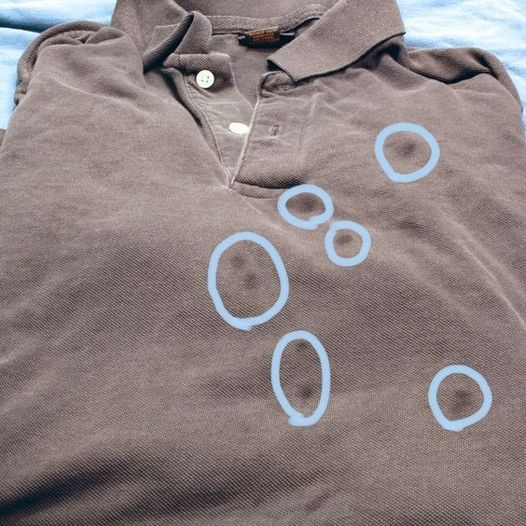
Handling Stubborn Stains
If a grease stain remains after the first wash, reapply the dishwashing foam and allow another soaking period. Multiple treatments often succeed where one fails, especially on older or more ingrained stains.
Persistent stains may require three or more applications. However, repeated treatment risks fabric damage or color fading, so monitor the fabric condition carefully during the process.
For particularly stubborn stains on delicate or expensive fabrics, consider professional laundering services rather than aggressive home treatments to avoid permanent damage.
- Repeat foam application and soaking before each subsequent wash.
- Avoid harsh scrubbing or prolonged soaking beyond recommended times.
- Seek professional cleaning for valuable or delicate garments with resistant stains.
Fabric Safety and Testing
Before applying any cleaner, perform a spot test on a hidden section of the fabric to check for colorfastness and texture changes. This step is essential for delicate fabrics such as silk, wool, or rayon, which may bleach, shrink, or lose their finish if treated improperly.
Dishwashing foam works well on cotton, polyester, and denim but can be too harsh for delicate fibers. If the care label advises dry cleaning only, professional treatment is recommended to prevent damage.
Always follow the garment manufacturer’s instructions and avoid aggressive rubbing or soaking on sensitive materials. This precaution preserves fabric integrity and extends garment life.
- Test cleaners on an inconspicuous spot before full application.
- Use gentle application methods on delicate or blended fabrics.
- Respect care labels and manufacturer warnings to avoid irreversible damage.
What to Avoid
Avoid using bleach, harsh solvents, or abrasive scrubbing on grease stains as these can weaken fibers, cause discoloration, or spread the stain. Never mix cleaning agents, especially dish soap with bleach or ammonia, as dangerous chemical reactions can occur.
Do not apply heat—such as hot water or tumble drying—until the stain is fully removed, since heat sets grease permanently. Fabric softeners and dryer sheets should also be avoided during treatment as they can coat fibers, preventing stain removal.
Handling it Safely
When working with dishwashing foams or other cleaning agents, wear gloves to protect your skin from irritation. Ensure good ventilation in the laundry area to avoid inhaling fumes. Keep all cleaning products out of reach of children and pets to prevent accidental ingestion or contact.
If foam or detergent splashes into the eyes, rinse immediately with plenty of water. Follow all product safety instructions on the label for safe use and storage.
When to Consult a Professional
If multiple home treatments fail or the garment is valuable, delicate, or labeled dry clean only, it is advisable to seek professional laundry or dry-cleaning services. Professional cleaners have specialized solvents and equipment that can remove stubborn grease stains without damaging fabrics.
Costs vary depending on the item and service but generally range from moderate to high for specialty treatments. Investing in professional care can save costly garments from permanent damage.
Conclusion
Effectively removing set-in grease stains requires accurate identification, the right choice of cleaner, and careful application. Dishwashing foam designed to cut grease offers a practical and accessible solution for many common fabrics when used thoughtfully.
Patience with repeated treatments and attention to fabric care guidelines ensure the best results while minimizing damage. For delicate or valuable items, professional cleaning remains the safest option.
By following these guidelines, you can extend the life of your garments and reduce frustration with persistent grease stains.





