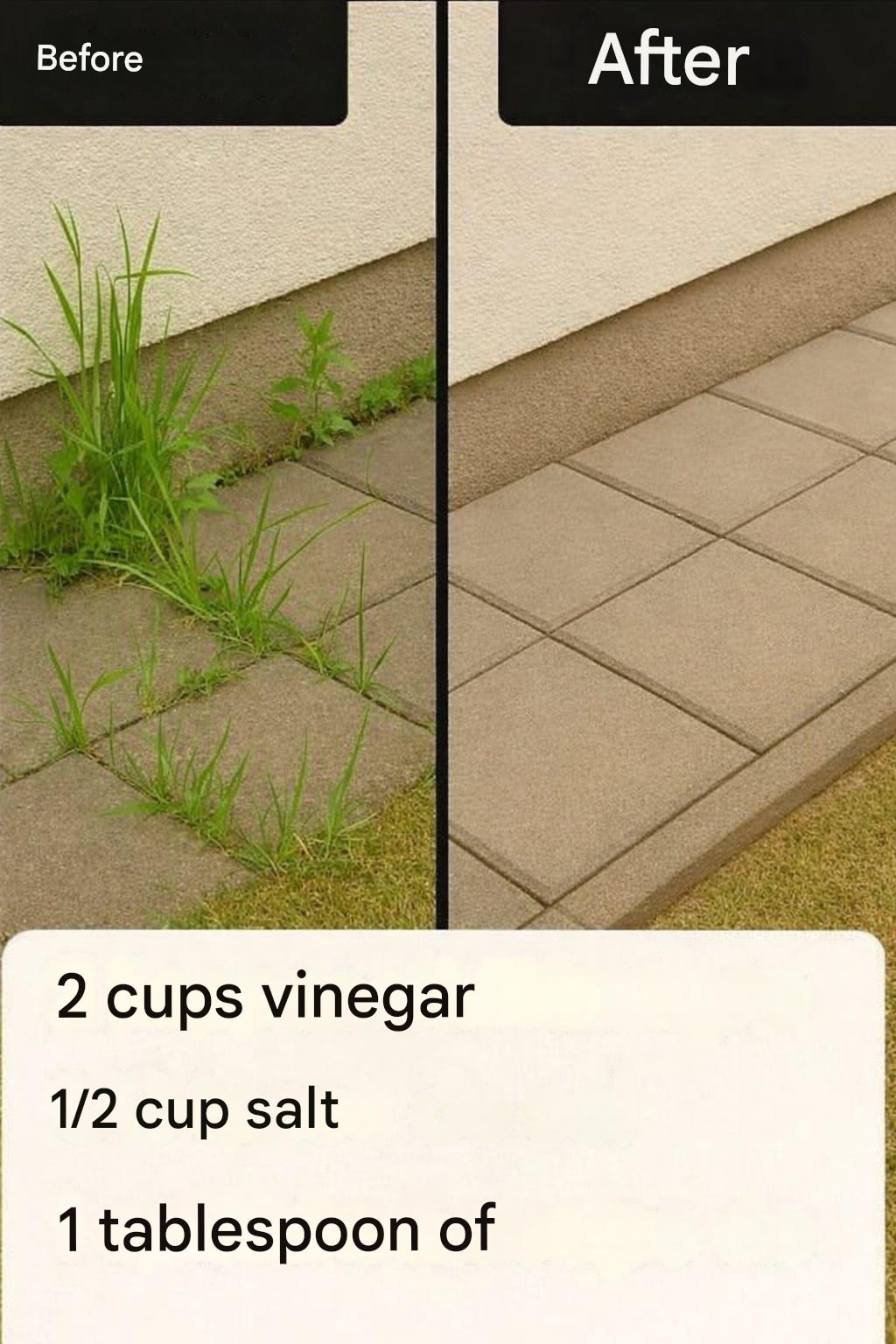
Ingredients
To create this homemade herbicide, you will need three main ingredients that are commonly found in households. The base is white vinegar with an acetic acid concentration of 5% or higher, which acts as a desiccant to dry out weed leaves. Next, add salt, either fine or coarse, which increases the solution’s effectiveness by drawing moisture out of the plants and disrupting their water balance. Lastly, a tablespoon of dishwashing liquid is incorporated to break the surface tension of the liquid, allowing it to coat the leaves more evenly and adhere longer.
These components work together to kill weeds primarily by leaf burn rather than root eradication. Because the formula relies on contact action, it is crucial to apply it only to target plants to avoid damage to desirable vegetation.
- 2 cups white vinegar (5% acetic acid or stronger)
- 1/2 cup salt (fine or coarse)
- 1 tablespoon dishwashing liquid
Preparation
Begin by pouring the white vinegar into a clean spray bottle or a large container that can be sealed and shaken. Add the salt gradually, stirring or shaking vigorously to dissolve as much salt as possible. While coarse salt takes longer to dissolve, it remains effective if well mixed. Avoid using rock salt or salts with additives that might leave residue.
Once the salt is dissolved or well dispersed, add the dishwashing liquid. This ingredient ensures the solution sticks to the leaf surface instead of running off, maximizing contact time. Avoid mixing with soaps other than standard dishwashing liquid, as some detergents may reduce effectiveness or cause unwanted chemical reactions.
After combining all ingredients, transfer the mixture into a spray bottle with a nozzle for easy application. Always shake the bottle well before each use to maintain an even distribution of salt and detergent within the vinegar base.
Application guidelines
Apply the herbicide on dry, sunny days during the morning or midday hours when the sun is strongest. This timing maximizes leaf absorption and promotes rapid drying, enhancing the product’s efficacy. Avoid spraying if rain is expected within 24 hours, as precipitation can wash away the solution and necessitate reapplication.
When spraying, target only the weeds you intend to eliminate. Excessive overspray can harm nearby desirable plants or soil health due to the salt content. This mixture should not be used on lawns, cultivated garden beds, or areas where you want to preserve plant life, as it can cause lasting damage beyond the treated weeds.
Use a fine spray to cover weed leaves thoroughly but avoid soaking the soil excessively to minimize salt accumulation, which can impact soil structure and future plant growth.
- Apply on dry weeds during sunny, calm weather.
- Spray only the unwanted plants to prevent collateral damage.
- Do not use near lawns or sensitive plants.
- Avoid application before rain or irrigation.





