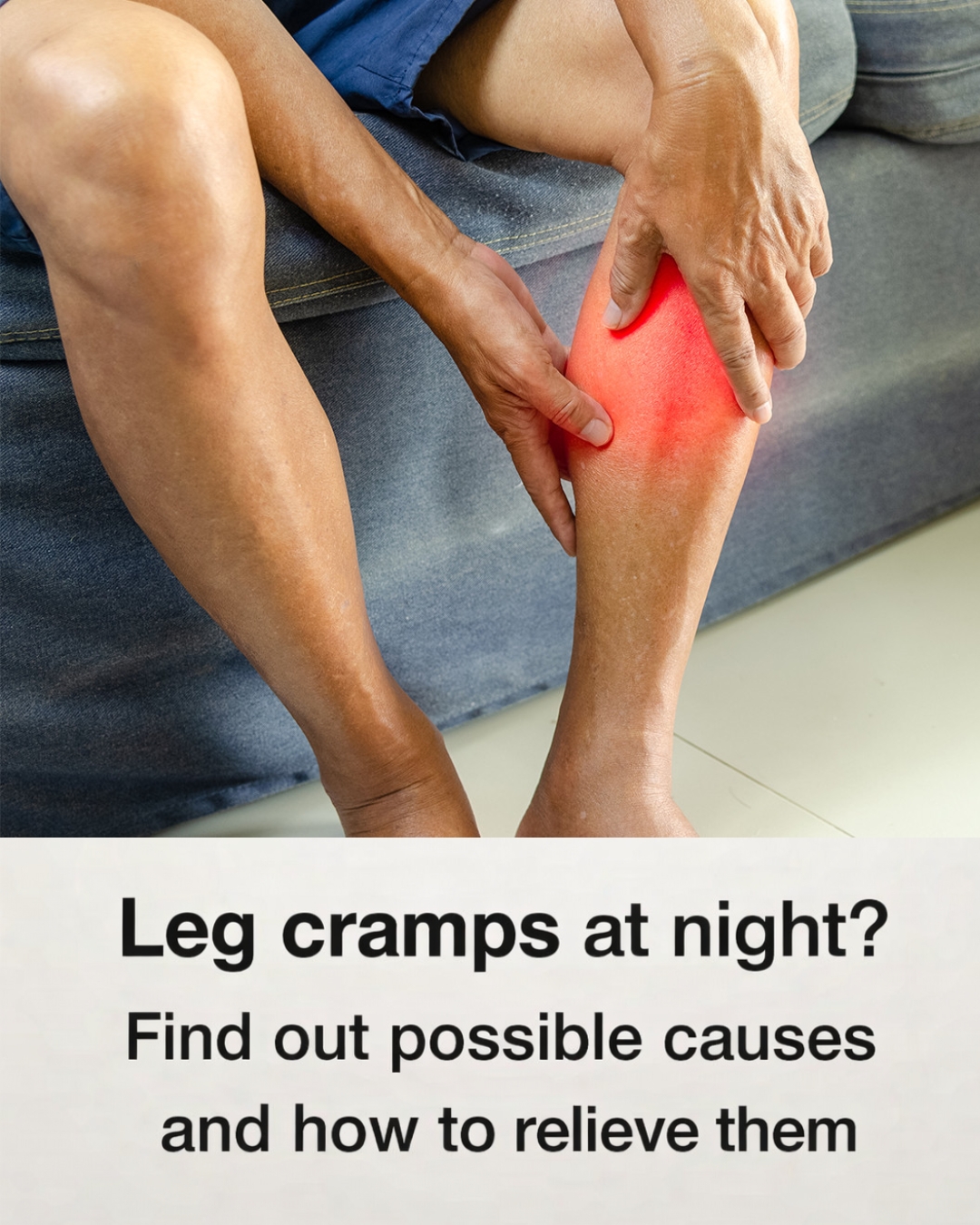
3. Muscle Fatigue or Overuse
Muscle fatigue from prolonged standing, walking, or strenuous exercise increases the risk of nighttime cramps. When muscles are overworked, they accumulate metabolic byproducts and may become depleted of energy stores, making them prone to involuntary contractions during rest.
Overuse can also cause micro-injuries to muscle fibers, which interfere with normal muscle relaxation and contribute to cramping. Recovery periods and appropriate conditioning are important to prevent these episodes.
To reduce cramps related to muscle fatigue:
- Incorporate gradual increases in exercise intensity.
- Allow adequate rest and recovery between workouts.
- Use proper footwear and ergonomic supports if standing for long periods.
- Stretch muscles gently before and after activity.
4. Prolonged Sitting or Inactivity
Remaining seated or inactive for extended periods can also trigger night cramps. Prolonged immobility reduces blood flow and oxygen delivery to muscles, leading to stiffness and increased susceptibility to spasms.
This is particularly common in people with sedentary jobs or those who travel frequently. Additionally, certain sleeping positions that restrict circulation may contribute to discomfort and cramping.
To counteract these effects, it is advisable to:
- Take short breaks to stand and move every hour.
- Perform gentle leg stretches during the day.
- Avoid crossing legs or positions that compress blood vessels for long durations.
- Consider elevating legs slightly during rest to enhance circulation.





