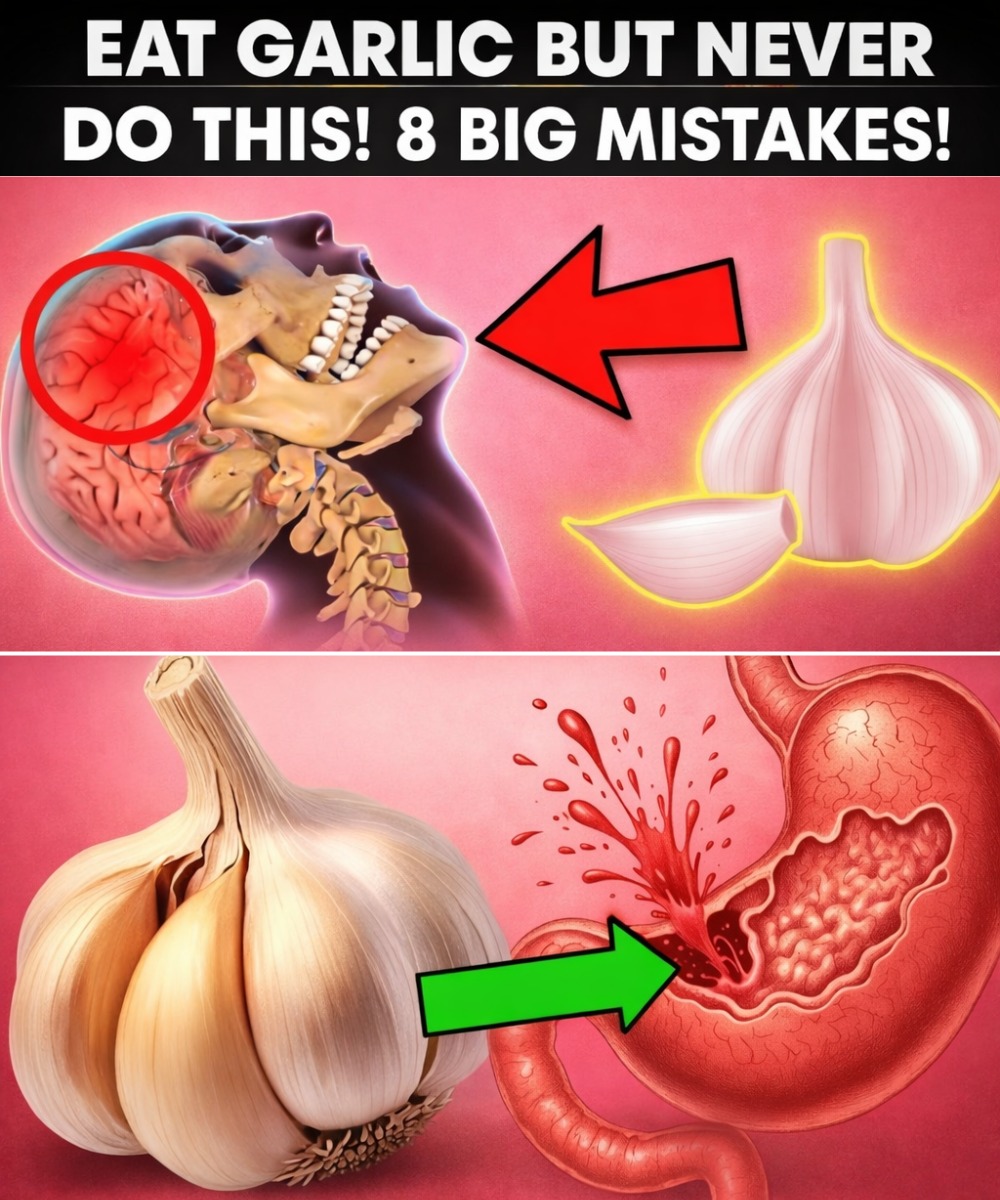
4. Swallowing Whole Cloves Without Crushing
Some people swallow whole garlic cloves for convenience or to mask the strong taste. However, this practice bypasses a critical step: crushing or chopping the garlic, which activates the enzyme alliinase. This enzyme triggers the formation of allicin, the compound largely responsible for garlic’s antimicrobial and antioxidant effects.
Without crushing, the garlic passes through the digestive system with fewer beneficial compounds released, reducing its effectiveness. Additionally, whole cloves may cause more digestive discomfort or lingering odor without the intended health payoff.
5. Ignoring Allergic Reactions
Although uncommon, some individuals experience allergic reactions to garlic. Symptoms can include skin rashes, headaches, breathing difficulties, or gastrointestinal upset. Ignoring these signs can worsen discomfort and potentially lead to more severe reactions.
If you notice unusual symptoms after consuming garlic, it is important to stop intake and consult a healthcare professional for proper evaluation and advice. Recognizing and addressing allergies early helps prevent ongoing issues and ensures safe use.
6. Combining Garlic with Certain Medications
Garlic can interact with medications, particularly anticoagulants such as warfarin, increasing the risk of bleeding. Its natural blood-thinning properties may enhance the effects of these drugs, which can be problematic during surgery or in individuals with bleeding disorders.
If you are taking blood thinners or other medications, discuss your garlic consumption with your prescribing physician or pharmacist. They can provide guidance on safe amounts and timing to avoid adverse interactions while still allowing you to benefit from garlic’s qualities.





