9. Bone Density Testing
Bone density testing, commonly performed using Dual-Energy X-ray Absorptiometry (DEXA), is the standard method to assess bone strength and osteoporosis risk. This test measures bone mineral density at key sites such as the hip and spine.
Individuals at higher risk—such as postmenopausal women, those with a family history of osteoporosis, or people on long-term corticosteroids—should discuss screening with their healthcare provider. Early detection of low bone density enables timely intervention to prevent fractures.
The cost of a DEXA scan varies but is often covered by insurance for eligible patients. It provides valuable quantitative data to guide treatment decisions.
10. Dietary Strategies
Supporting bone health through diet involves more than just calcium and vitamin D. A balanced diet rich in fruits, vegetables, lean proteins, and healthy fats supplies essential nutrients such as magnesium, potassium, vitamin K, and protein that contribute to bone strength.
Incorporate the following strategies to optimize your bone-supportive nutrition:
- Choose calcium-fortified plant milks like soy or almond as alternatives or complements to dairy.
- Eat leafy greens such as kale, collard greens, and bok choy for magnesium and vitamin K.
- Include sources of omega-3 fatty acids, such as fatty fish or flaxseeds, which may promote bone formation.
- Limit excessive salt and processed foods that can increase calcium excretion.
- Enjoy prune juice in moderation, which has been linked to bone preservation in postmenopausal women.
Practical Guidance and When to See a Doctor
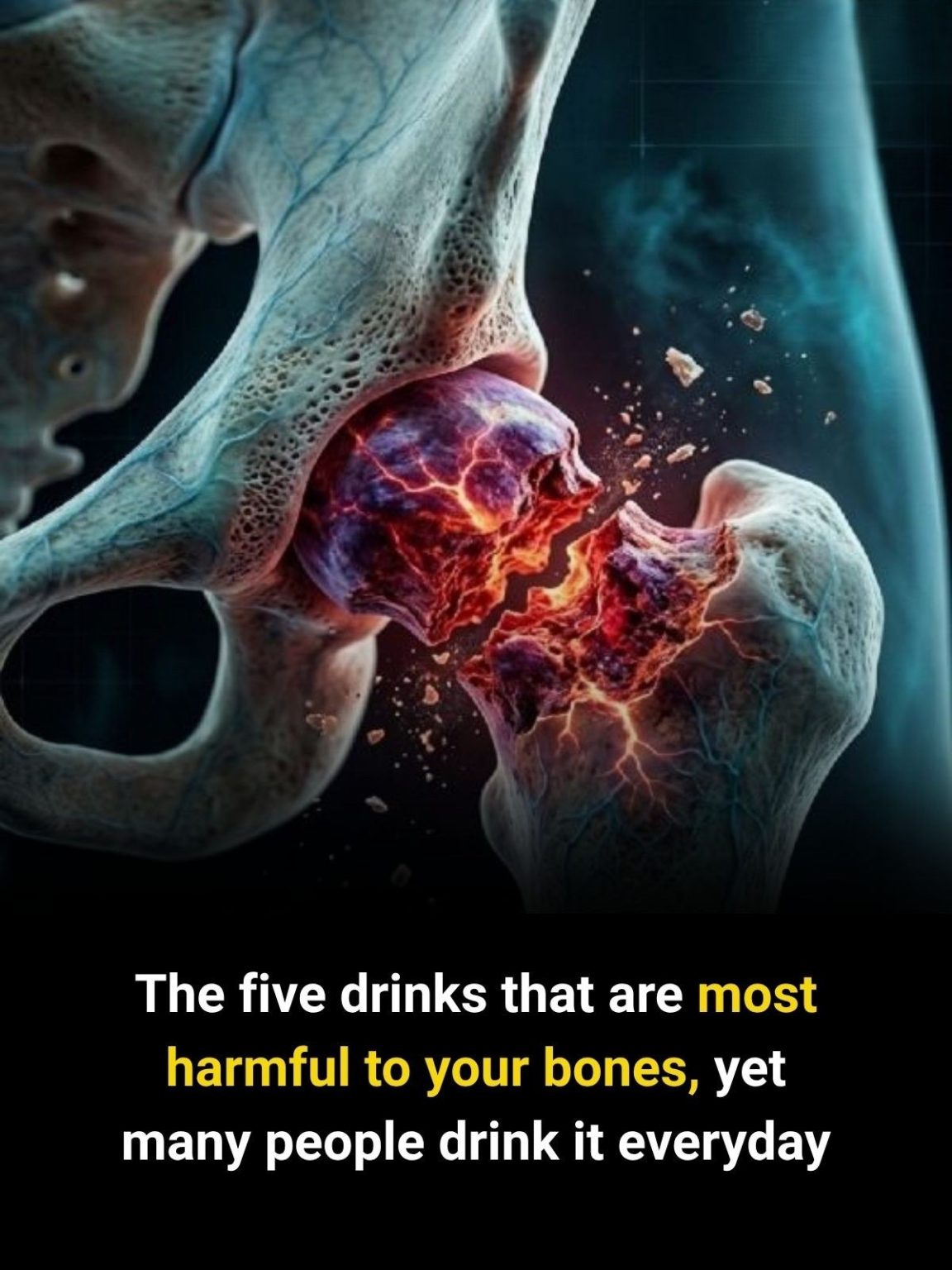
Evaluate your beverage habits over a week to identify opportunities for improvement. Replace sugary sodas and diet drinks with water or calcium-fortified alternatives. Limit caffeine and alcohol within recommended guidelines, and pair these beverages with calcium-rich foods whenever possible.
If you have risk factors such as a family history of osteoporosis, are postmenopausal, have experienced fractures, or take medications that affect bone health, consult your healthcare provider. They may recommend bone density testing and personalized strategies to preserve your skeletal strength.
Conclusion
Your bone health is shaped by a lifetime of choices, including what you drink. Being mindful about beverage selection—balancing enjoyment with nutrients that support bone remodeling—helps maintain bone density and reduces fracture risk as you age. Small, sustainable adjustments in your daily hydration can have a meaningful impact over time.
This article provides general information and does not replace professional medical advice. Consult a healthcare provider for guidance tailored to your individual health needs.