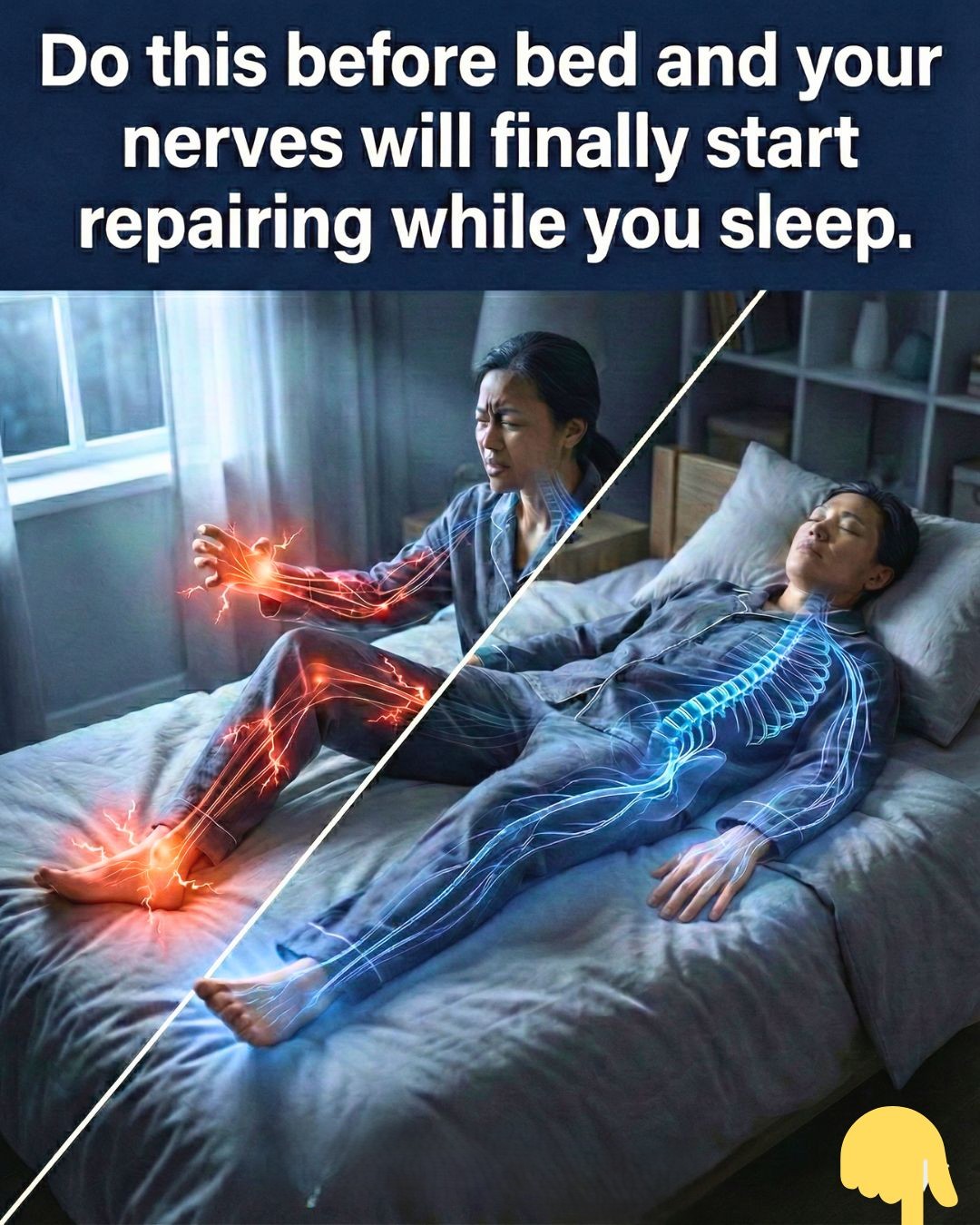
1. Boost nighttime circulation
Nerve tissue relies heavily on adequate oxygen and nutrient delivery, which depends on efficient blood flow. When circulation to your extremities is sluggish, especially at night when you are lying down, your nerves do not receive the oxygen they need to repair microscopic damage accumulated during the day. This can worsen symptoms like tingling, numbness, or burning sensations.
One effective way to enhance circulation before bed is to activate the muscles that propel blood back toward your heart. The calf muscles serve as a secondary pump for venous blood. By performing simple ankle exercises, you can stimulate this pump and improve microcirculation to your peripheral nerves.
- Ankle pumps: Sit on the edge of your bed and point your toes away from you as far as possible, then flex them back toward your shins. Repeat this for at least 30 seconds.
- Ankle circles: Rotate your ankles clockwise 10 times, then counterclockwise 10 times to further promote blood flow.
This brief routine wakes up the tiny blood vessels responsible for delivering oxygen directly to nerve endings. Many people notice immediate improvements such as increased warmth or clearer sensations in their feet, signaling better circulation and an ideal environment for nerve recovery.
2. Calm overactive nervous system
An overactive sympathetic nervous system, triggered by stress or anxiety, keeps your body in a heightened state of alert. Elevated cortisol and adrenaline levels cause nerve hyperexcitability, intensifying symptoms like burning, tingling, and muscle tightness. This ongoing stress response interferes with the parasympathetic system’s ability to initiate rest and repair during sleep.
Controlling your breathing is the most accessible and effective way to shift into a calming parasympathetic state. Try this before bed:
- Inhale slowly through your nose for a count of four.
- Exhale gently through your mouth for a count of six.
- Repeat this cycle five times.
Extending the exhale stimulates the vagus nerve, enhancing parasympathetic activity that promotes relaxation, reduces inflammation, and supports tissue repair. While doing this, consciously relax your shoulders and unclench your jaw to reduce physical tension signaling threat to your nervous system.





