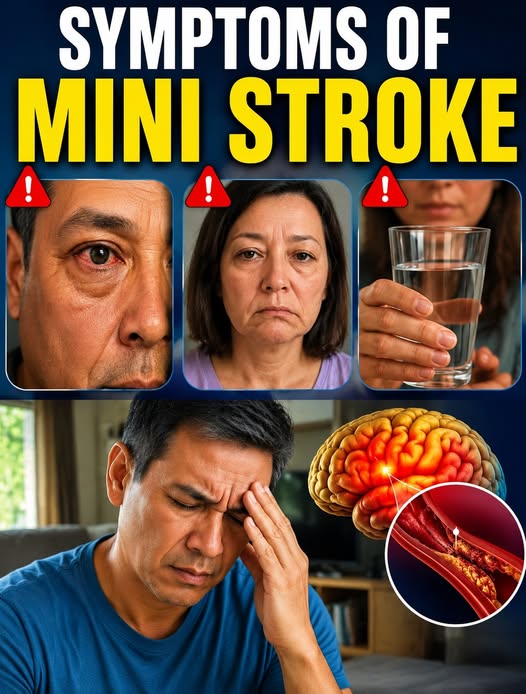
9. Drooping on one side of the face
Facial drooping is a classic sign of a TIA or stroke and occurs when the muscles on one side of the face lose strength suddenly. This may be noticeable when smiling, closing an eye, or during speech.
Even subtle asymmetry in facial movement should be taken seriously. It is often one of the first signs noticed by others and can be a reliable indicator of cerebral ischemia affecting the motor nerves.
10. Trouble walking properly
Difficulty walking, such as heavy or uncoordinated legs, sudden stiffness, or an inability to maintain a normal gait, can indicate that the brain areas controlling motor function are temporarily impaired. This symptom may arise suddenly and last only minutes.
Because impaired walking increases fall risk, addressing this sign quickly by seeking medical care is important.
11. Tingling sensations
Unusual pins-and-needles sensations, especially if they appear suddenly on one side of the body, can be a warning sign of a TIA. These paresthesias occur when sensory pathways in the brain are temporarily disrupted by reduced blood flow.
While tingling can stem from many causes, sudden onset accompanying other neurological symptoms should prompt urgent evaluation.
12. Sudden fatigue or weakness
Experiencing unexpected, overwhelming fatigue or weakness that does not correspond to recent activity levels may indicate a transient disruption of brain function caused by a TIA. This symptom can be subtle but is important to recognize, especially when combined with other signs.
Because fatigue is common and nonspecific, it’s crucial to consider it in the broader context of sudden neurological changes.
When to See a Doctor
If you experience any of the symptoms described above, especially sudden one-sided weakness, slurred speech, facial drooping, or vision changes, seek emergency medical attention immediately. Time is critical in preventing a full stroke and minimizing brain damage.
Even if symptoms resolve quickly, a prompt evaluation by a healthcare professional is essential. They may perform diagnostic tests such as MRI, CT scans, carotid ultrasound, or echocardiography to identify the underlying cause and recommend treatment to reduce stroke risk.
Conclusion
Being aware of the subtle warning signs of a transient ischemic attack empowers you to take swift action and protect your brain health. TIAs are a serious medical event that should never be ignored, as they often precede more severe strokes.
Recognize the symptoms early, act quickly, and maintain regular medical follow-up to address any vascular risk factors. These steps can significantly improve outcomes and help safeguard your quality of life.
Medical Disclaimer: This article is for informational purposes only and is not a substitute for professional medical advice, diagnosis, or treatment. Always seek the advice of your physician or other qualified health provider with any questions you may have regarding a medical condition. Never disregard professional medical advice or delay in seeking it because of something you have read on this website.





