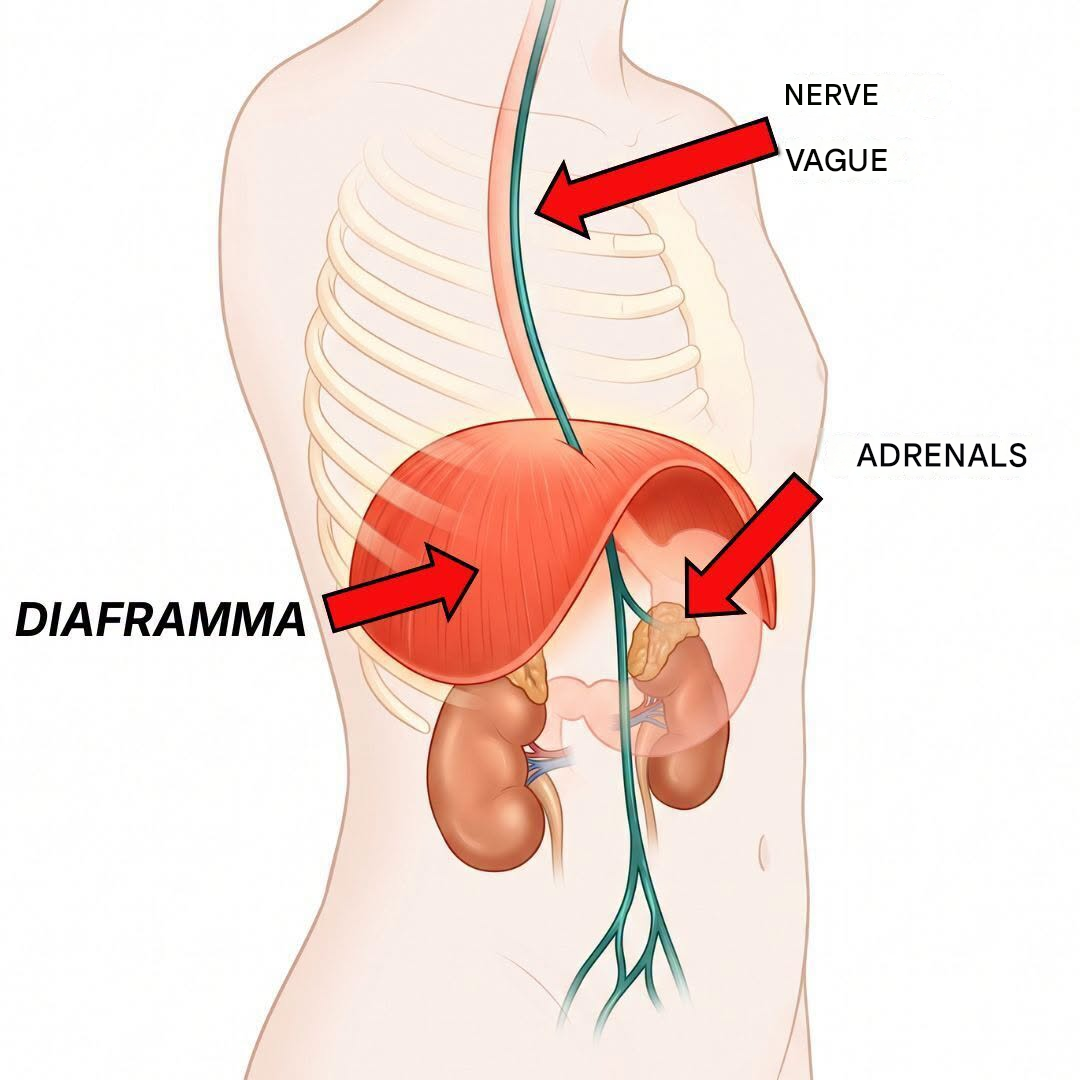
6. Role of diaphragmatic breathing
Diaphragmatic breathing, commonly known as belly breathing, emphasizes using the diaphragm effectively to promote full, deep breaths. This breathing technique encourages the diaphragm to contract downward, allowing the lungs to expand fully and drawing air deep into the lower lung areas.
Practicing diaphragmatic breathing can help counteract the shallow, rapid breathing associated with stress by slowing the respiratory rate and increasing oxygen exchange. It also stimulates the vagus nerve, activating the parasympathetic nervous system to reduce heart rate and blood pressure, promoting a state of calm.
This breathing style helps improve posture and core stability by engaging the diaphragm and associated muscles, which supports overall physical function and reduces tension.
7. Simple breathing exercises
Incorporating simple breathing exercises into daily routines can effectively reduce stress and improve breathing patterns. A basic diaphragmatic breathing exercise includes the following steps:
- Find a comfortable seated or lying position.
- Place one hand on your chest and the other on your abdomen.
- Inhale slowly through the nose, focusing on letting your abdomen rise gently without forcing it.
- Exhale slowly and fully through the mouth while keeping shoulders relaxed.
- Continue this pattern for 2 to 5 minutes, ensuring the chest remains relatively still while the abdomen moves.
This exercise should be done gently and calmly without straining. If dizziness or discomfort occurs, stop and resume normal breathing.
8. When breathing exercises aren’t enough
While breathing exercises are helpful for managing everyday stress and mild anxiety, they are not a substitute for professional medical evaluation in certain situations. If you experience persistent or worsening symptoms such as chest pain, shortness of breath at rest, unexplained fatigue or weight loss, palpitations, fainting, or ongoing digestive issues, seek medical advice promptly.
Additionally, if anxiety, panic attacks, or stress interfere significantly with daily functioning despite self-care strategies, consulting a healthcare provider or mental health professional is important. They can provide appropriate diagnosis, treatment, or referrals to specialists as needed.





