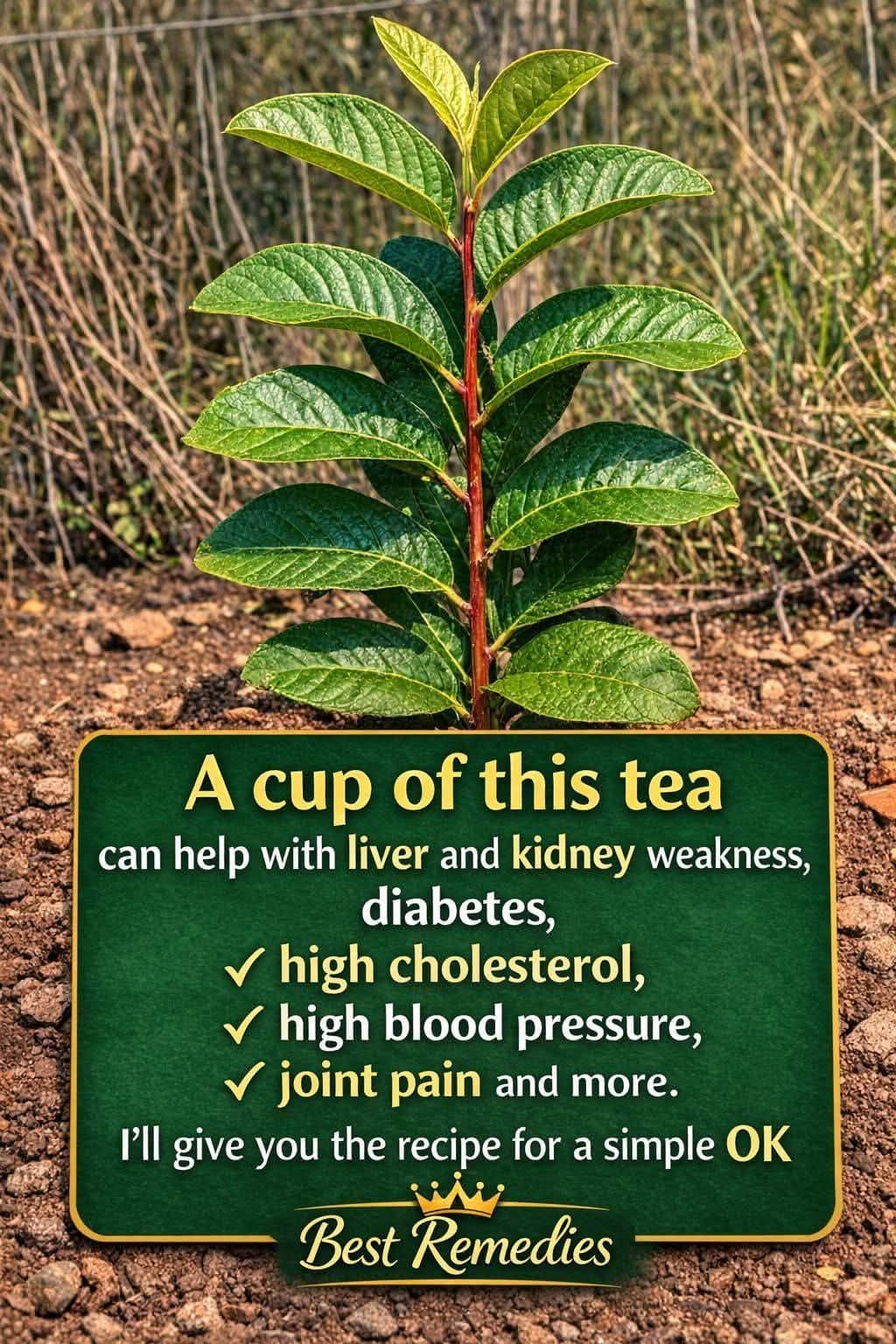
1. Blood sugar regulation
Guava leaves have been traditionally used to help manage blood sugar levels, particularly for people with insulin resistance or type 2 diabetes. The leaves contain compounds that may reduce the absorption of sugars in the digestive tract, which helps prevent sharp blood sugar spikes after meals.
While some studies suggest guava leaf infusion can modestly lower glucose levels, most evidence comes from small-scale or animal studies rather than large human trials. Therefore, guava leaves should be seen as a complementary approach rather than a replacement for prescribed diabetes treatments.
To prepare, steep 5 to 7 fresh or dried guava leaves in one liter of boiling water for about 10 minutes, then let it rest covered for 5 more minutes before straining. Drinking this tea once or twice a day, especially before or after meals, is common. Continue use for several weeks to observe effects, but consult your healthcare provider if you are on blood sugar medications to avoid hypoglycemia.
- Use 5–7 fresh or dried leaves per liter of water
- Steep in boiling water for 10 minutes, then rest 5 minutes
- Consume once or twice daily, preferably around meal times
- Consult your doctor if you take glucose-lowering drugs
2. Immune system support
Guava leaves contain various antioxidants and antibacterial compounds that may help strengthen the immune system. These substances can support the body’s natural defenses, potentially reducing the risk or duration of common infections like colds or flu.
Current evidence primarily derives from traditional use and laboratory studies demonstrating antioxidant and antimicrobial activity. There is limited clinical data confirming immune-boosting effects in humans. Nonetheless, guava leaf tea is used as a mild, natural adjunct during periods of low immunity.
Prepare the tea as described above and drink regularly during cold seasons or when feeling susceptible to infections. Because guava leaves have antibacterial properties, they can also be used as a mild mouth rinse to promote oral health.
- Rich in antioxidants and antibacterial compounds
- Traditionally used to support immune defenses
- Consume as tea regularly during cold or flu season
- May be used as a natural mouthwash for oral hygiene





