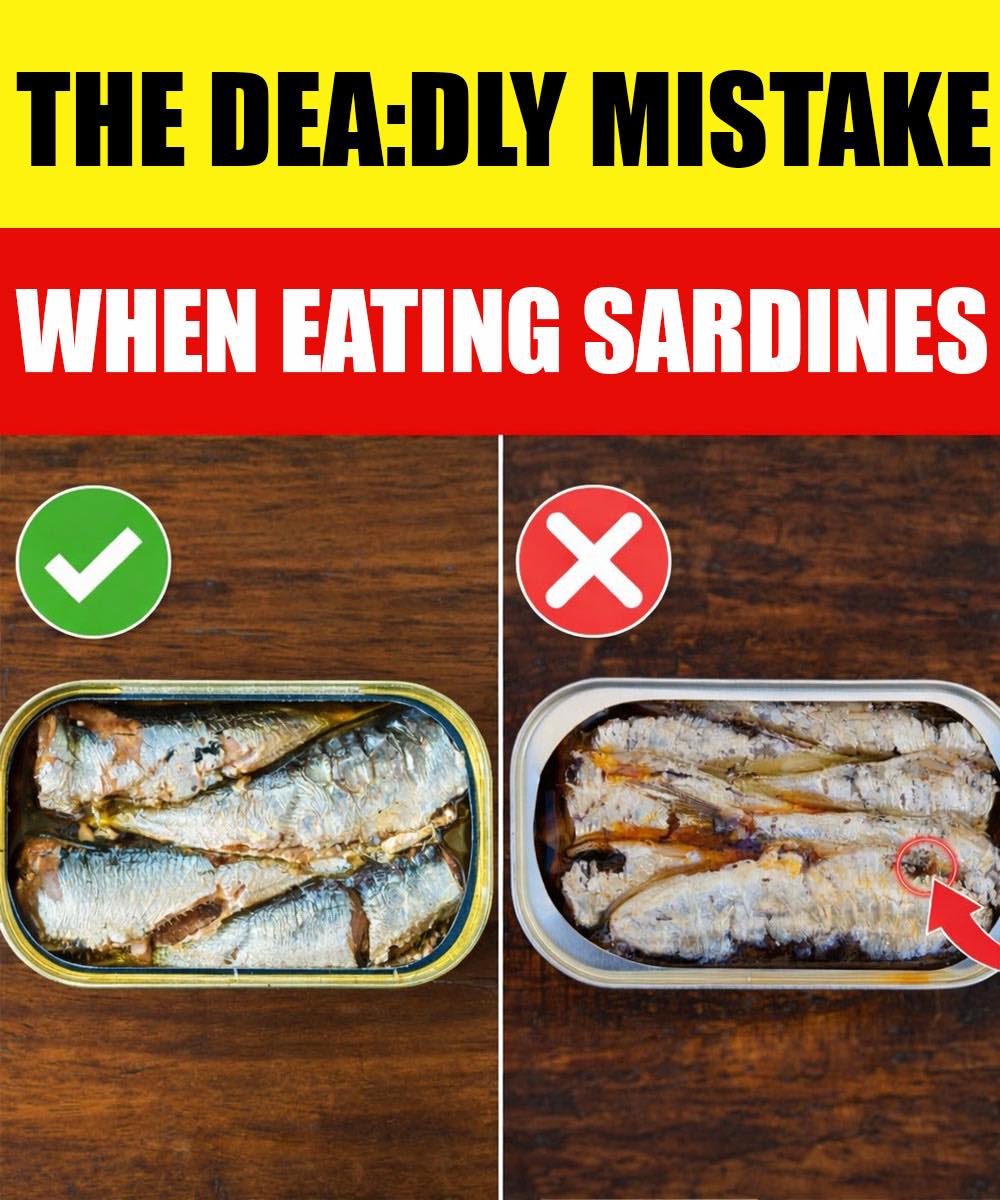
4. Choosing sardines in low-quality oils
Many canned sardines are preserved in refined oils that are high in omega-6 fatty acids and prone to degradation when exposed to heat during the sterilization process. These oils can produce inflammatory compounds that counteract the natural anti-inflammatory benefits of the omega-3 fatty acids found in sardines.
Consuming sardines packed in such low-quality oils may disrupt the dietary balance of essential fatty acids, potentially promoting inflammation rather than reducing it.
For healthier choices, look for sardines preserved in:
- Extra virgin olive oil
- Water or brine
- High-quality oils less susceptible to heat-induced oxidation
These options better preserve the sardines’ nutritional profile and contribute positively to heart and metabolic health.
5. Ignoring can lining risks
One of the less obvious but important concerns with canned sardines is the potential exposure to chemical compounds from the can’s internal lining. Many cans use plastic resin coatings that may contain substances related to bisphenol A (BPA) or similar endocrine-disrupting chemicals.
During the canning and sterilization process, small amounts of these compounds can migrate into the food. Chronic exposure to endocrine disruptors has been linked to hormonal imbalances, metabolic disturbances, chronic inflammation, and fatigue over time.
To minimize this risk, consider the following:
- Choose sardines labeled as BPA-free
- Alternate canned sardines with fresh fish or other protein sources
- Limit frequency of canned food consumption
Practical guidance for healthier sardine consumption
To enjoy canned sardines safely and benefit from their nutritional properties, follow these practical tips:
- Always drain the preservation liquid before eating to reduce sodium and oxidized oil intake.
- Select sardines packed in olive oil, water, or other high-quality oils, avoiding refined omega-6 oils.
- Limit consumption to a few times per week rather than daily to reduce cumulative sodium and contaminant exposure.
- Read labels carefully and prefer BPA-free packaging when possible.
- Incorporate a variety of protein sources in your diet to maintain nutritional balance.
When to see a doctor
If you experience symptoms such as persistent high blood pressure, unexplained fatigue, signs of hormonal imbalance, or any adverse reactions after consuming canned sardines regularly, consult your healthcare provider. They can evaluate your dietary habits, recommend appropriate tests, and guide necessary adjustments.
Conclusion
Canned sardines can be a convenient and nutritious addition to your diet when chosen and consumed thoughtfully. Understanding quality differences, avoiding excess sodium and low-quality oils, and being mindful of packaging materials help maximize benefits while minimizing risks. Adopting these habits supports long-term health and allows you to enjoy sardines without unintended consequences.
Disclaimer: This information is for educational purposes only and is not a substitute for professional medical advice. Consult your healthcare provider before making significant changes to your diet or if you have specific health concerns.





