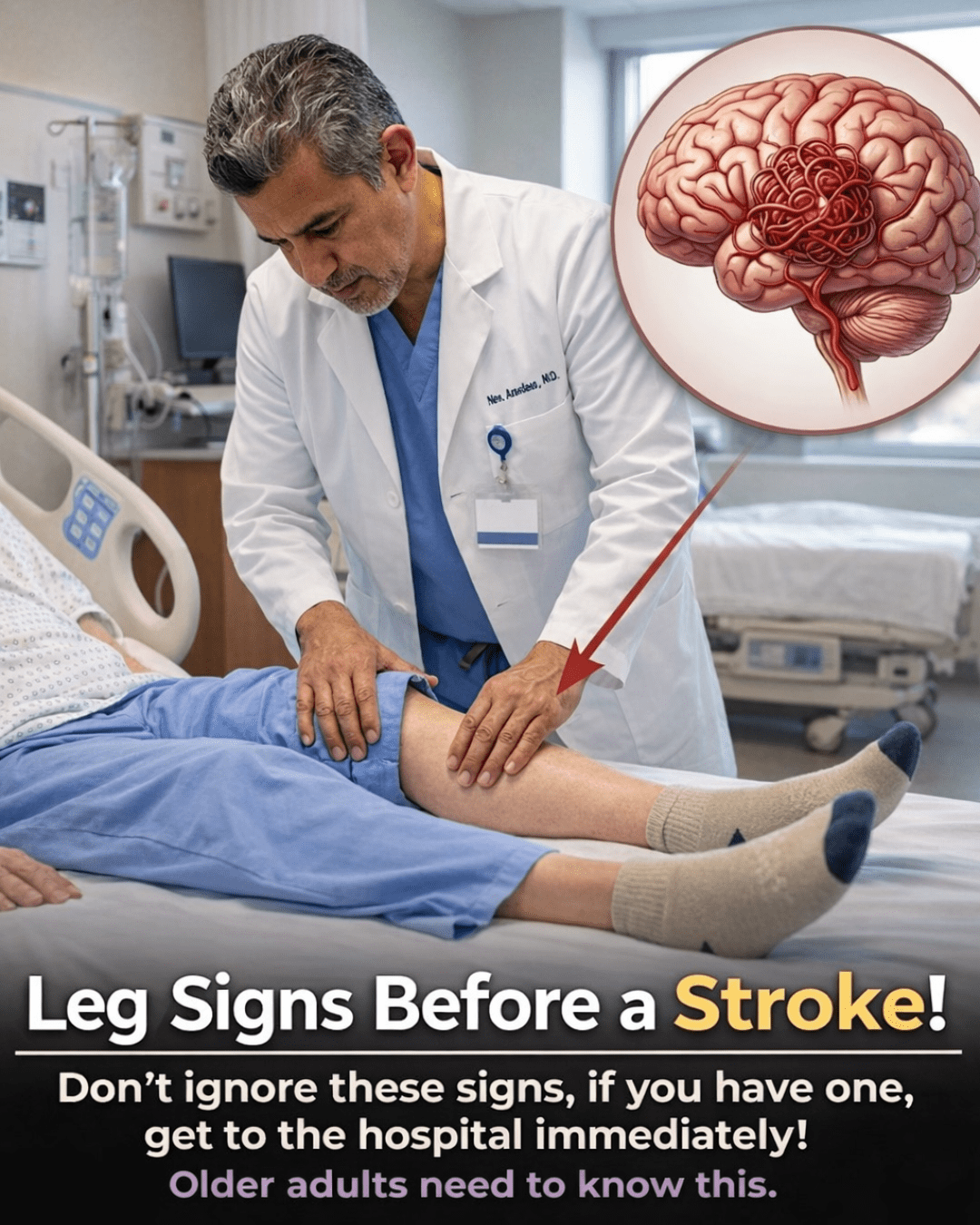
9. Accompanying facial or arm weakness
Stroke symptoms seldom affect only one leg; weakness in the face or an arm on the same side often occurs simultaneously. This combination results from a localized brain injury impacting multiple motor regions.
Observing facial drooping, difficulty raising an arm, or asymmetry in limb strength alongside leg symptoms significantly raises suspicion for stroke and warrants immediate emergency care.
10. Speech or vision changes
Sudden difficulty speaking clearly or understanding speech, as well as abrupt vision changes such as blurriness or loss of vision in one eye, are hallmark signs of stroke. When these symptoms occur with leg weakness or numbness, they confirm the urgency.
These neurological deficits reflect the brain areas responsible for language and visual processing being affected by disrupted circulation. Immediate medical attention is critical to minimize brain damage and improve outcomes.
When to See a Doctor
If you or a loved one experiences sudden leg weakness, numbness, heaviness, or any combination of these symptoms with facial, arm, speech, or vision changes, call emergency services right away. Time is essential in stroke treatment to prevent permanent disability.
For more gradual or mild symptoms, schedule a prompt evaluation with a neurologist or primary care provider to assess stroke risk and vascular health. Diagnostic tests may include brain imaging, carotid ultrasound, and blood tests to identify underlying causes.
Conclusion
Leg symptoms such as sudden weakness, numbness, or heaviness can be early warning signs of stroke, especially when accompanied by other neurological changes. Seniors and caregivers should remain vigilant for these signs and seek immediate medical care when they appear. Early recognition and treatment are vital to preserving independence and quality of life.
Important Disclaimer
This article is for informational purposes only and does not replace professional medical advice, diagnosis, or treatment. If you or someone you know experiences any sudden symptoms, seek immediate medical attention from a qualified healthcare provider. Always consult with your doctor regarding any health concerns.





