9. Garlic
Garlic contains allicin and other sulfur compounds that have natural blood-thinning properties, reduce cholesterol levels, and help lower blood pressure. These effects combine to improve circulation and reduce the likelihood of clot formation leading to stroke.
Incorporate fresh or cooked garlic cloves into meals to enhance flavor and reap cardiovascular benefits.
10. Beans and Lentils
Beans and lentils are excellent sources of soluble fiber, potassium, and folate. Soluble fiber helps lower LDL cholesterol, potassium assists in blood pressure regulation, and folate reduces homocysteine levels—all factors that influence stroke risk.
Regular consumption of legumes is associated with significantly reduced stroke incidence. They are affordable, versatile, and can be added to soups, salads, and main dishes.
11. Whole Grains
Whole grains such as oats, brown rice, and quinoa provide fiber that lowers LDL cholesterol and improves heart health. Replacing refined grains with whole grains helps maintain steady blood sugar levels and supports vascular function.
Increased whole grain intake is linked to a reduced risk of stroke. Aim to make at least half of your grain servings whole grains.
12. Citrus Fruits
Citrus fruits like oranges, grapefruits, and lemons contain vitamin C and flavonoids that enhance blood vessel function and reduce inflammation. Regular consumption has been linked with a lower risk of ischaemic stroke.
Enjoy fresh citrus fruits as snacks or use their juice and zest to brighten dishes and support vascular health.
13. Bell Peppers
Bell peppers are rich in vitamin C and other antioxidants that protect blood vessels from damage caused by oxidative stress. Their vibrant colors indicate a variety of beneficial phytochemicals that support cardiovascular health.
Incorporate bell peppers raw in salads or cooked in meals to increase intake of these protective compounds.
14. Coconut Water
Coconut water is naturally high in potassium and magnesium, minerals essential for regulating blood pressure and maintaining electrolyte balance. Proper hydration with electrolyte-rich fluids supports healthy circulation and may indirectly reduce stroke risk.
Use coconut water to stay hydrated, especially during physical activity or in hot weather, as part of an overall heart-healthy lifestyle.
When to See a Doctor
If you experience sudden symptoms such as weakness or numbness on one side of the body, difficulty speaking, vision changes, severe headache, or dizziness, seek emergency medical care immediately as these may indicate a stroke.
Regular check-ups to monitor blood pressure, cholesterol, and other cardiovascular risk factors are essential. Discuss with your healthcare provider before making significant dietary changes, especially if you have existing health conditions or are on medications.
Conclusion
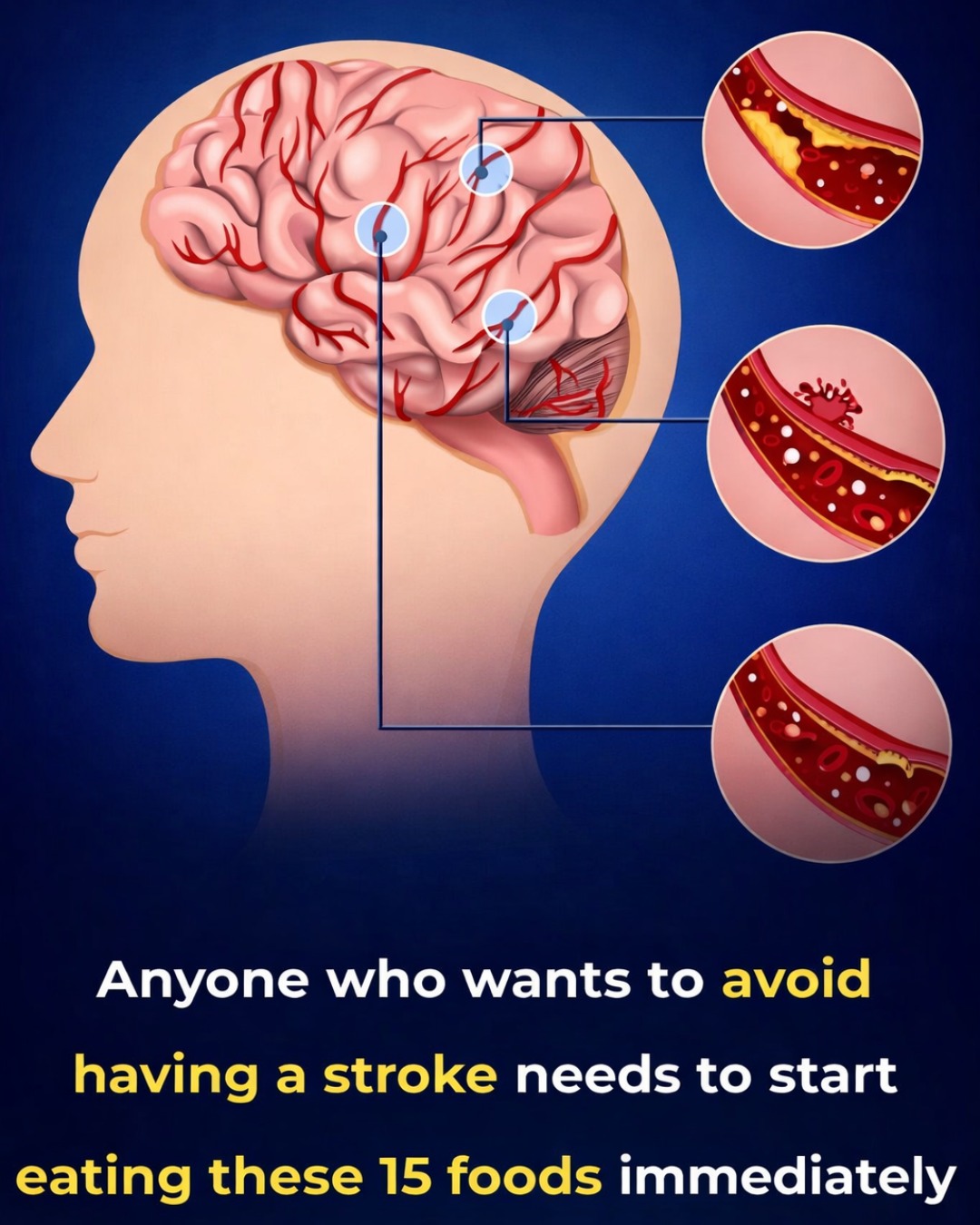
Incorporating these 15 nutrient-rich foods into your diet can provide meaningful support in reducing stroke risk by improving blood pressure, lowering inflammation, and enhancing vascular health. Consistency and balance in dietary choices, combined with healthy lifestyle habits, offer the best protection against stroke.
Start by adding one or two of these foods to your meals this week and build sustainable habits for long-term cardiovascular and brain health.
Disclaimer: This article is for informational purposes only and does not constitute medical advice. Consult a qualified healthcare professional before making changes to your diet or treatment plan.