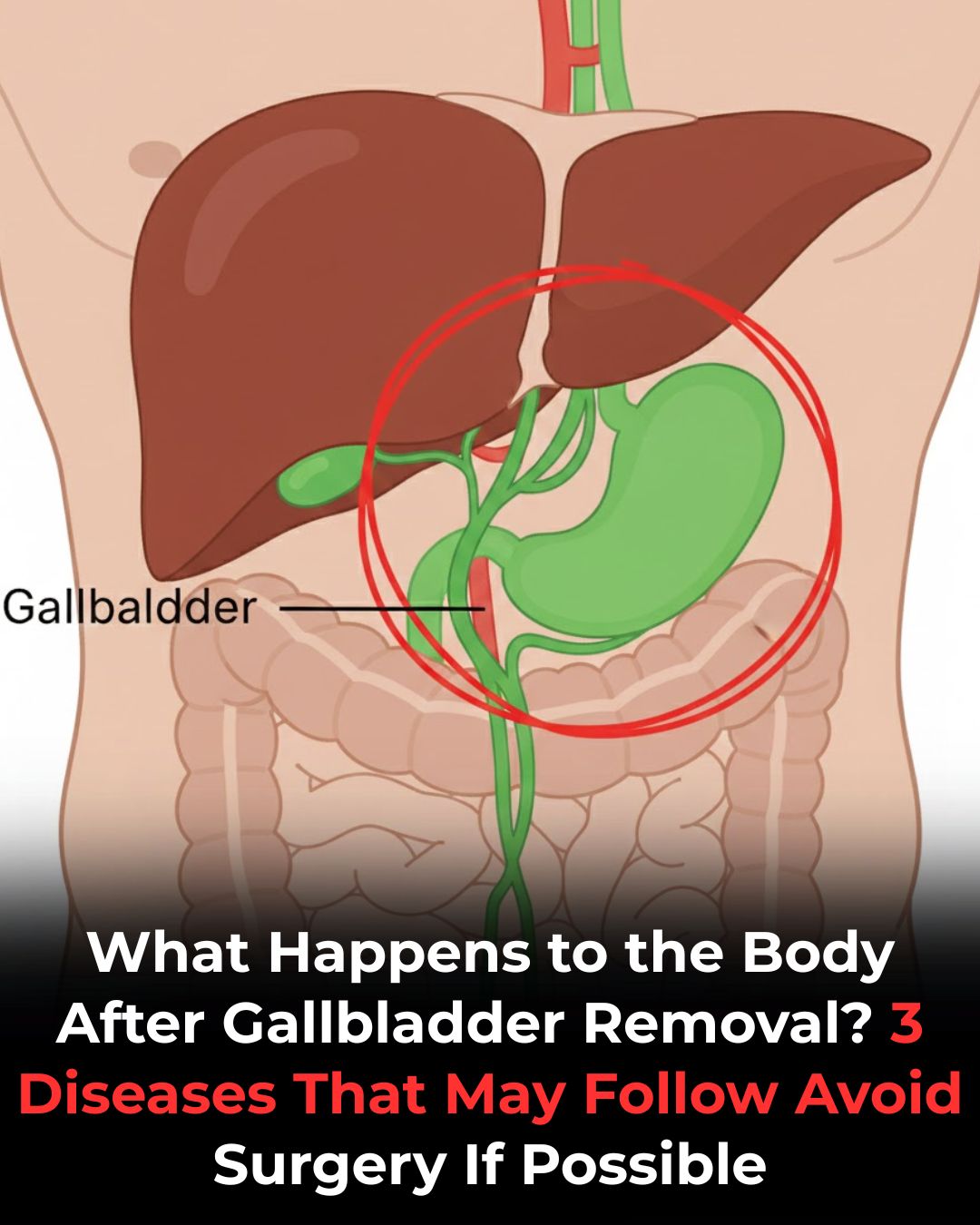
3. Post-Cholecystectomy Syndrome (PCS)
Post-Cholecystectomy Syndrome refers to a collection of persistent symptoms that affect a minority of patients after gallbladder removal. Despite the surgery, these individuals continue to experience upper abdominal pain, digestive irregularities, and symptoms resembling acid reflux.
PCS may arise from several causes, including bile duct dysfunction, sphincter of Oddi dysfunction, or underlying digestive conditions that were not addressed by removing the gallbladder. It is important to note that persistent symptoms do not always indicate surgical failure but may require further diagnostic evaluation.
- Ongoing upper abdominal pain
- Reflux-like symptoms such as heartburn
- Irregular bowel habits including constipation or diarrhea
Patients experiencing these symptoms should seek medical follow-up to identify the underlying cause and receive appropriate treatment, which may include medications, endoscopic procedures, or lifestyle modifications.
When to See a Doctor
If you experience persistent or worsening digestive symptoms after gallbladder removal, it is essential to consult your healthcare provider. Seek medical advice if you have:
- Frequent, severe diarrhea lasting more than a few weeks
- Unexplained abdominal pain or discomfort
- Signs of dehydration such as dizziness or weakness
- Persistent nausea or vomiting
- Symptoms of acid reflux that interfere with daily activities
Conclusion
While gallbladder removal is often necessary for serious gallbladder disease, it can lead to digestive changes such as chronic diarrhea, fat intolerance, and, in some cases, post-cholecystectomy syndrome. Understanding these potential outcomes helps patients make informed decisions with their doctors and prepare for postoperative management.
Careful assessment of symptoms and consideration of non-surgical options when appropriate can reduce the risk of unnecessary surgery and its complications.
Medical Disclaimer: This article is for educational purposes only and does not replace professional medical consultation. Always consult your healthcare provider before making decisions regarding surgery or treatment.





