Is Your Floor Dirty or Damaged? Why This Matters to Your Cleaning Choice
Before investing time or money into cleaning your floors, it’s crucial to understand whether the surface is simply dirty or if it has suffered wear or damage. Dirt and grime are removable with cleaning, but damage such as scratches, worn finishes, or moisture-related deterioration requires repair or replacement, which can cost hundreds to thousands of dollars depending on the flooring type.
For instance, professional refinishing of hardwood floors can cost between $3 and $5 per square foot, while replacing damaged laminate or tile may run $5 to $15 per square foot installed. Using the wrong cleaning method on a damaged or sensitive surface can worsen the issue and increase these costs.
How to Identify Surface Type and Condition
Floors come in various materials—tile, linoleum, laminate, hardwood—and each reacts differently to cleaning agents. Tile and linoleum are generally durable and water-resistant, while laminate has a protective wear layer that can be compromised by harsh chemicals. Hardwood floors need gentle care to preserve their finish.
Check for signs of wear such as dullness, scratches, or peeling finishes. If you notice these, cleaning alone won’t restore the floor’s appearance; professional maintenance may be necessary.
Choosing Safe and Effective Ingredients for Homemade Cleaning
Many commercial cleaners contain synthetic chemicals that can leave sticky residues or strong odors, and sometimes accelerate wear. A cost-effective alternative is making your own cleaner using household items that clean without damaging surfaces.
Key ingredients include baking soda, valued for its gentle abrasive and deodorizing properties, and white vinegar, which cuts grease and restores shine on hard floors. Water acts as the base to evenly distribute these ingredients.
Why Avoiding Harmful Mixtures Matters
Mixing common household cleaners can be dangerous or damage floors. For example, combining bleach with vinegar produces toxic gases, and abrasive scrubs can strip protective coatings. Homemade mixtures using just baking soda, vinegar, and water avoid these risks and maintain floor integrity.
Using the right proportions is important to prevent residue buildup that can attract more dirt or dull the floor’s shine over time.
Cost Implications of DIY vs. Professional Floor Care
Homemade cleaners reduce ongoing expenses compared to buying commercial products, which often cost several dollars per use. However, if your floor is damaged, cleaning won’t fix the underlying problem, and delaying repairs can lead to higher replacement costs.
Professional cleaning or refinishing services can cost several hundred dollars for average-sized rooms but may be necessary to restore floors suffering from wear or damage.
Understanding what your floor needs first—cleaning or repair—can save money and protect your investment.
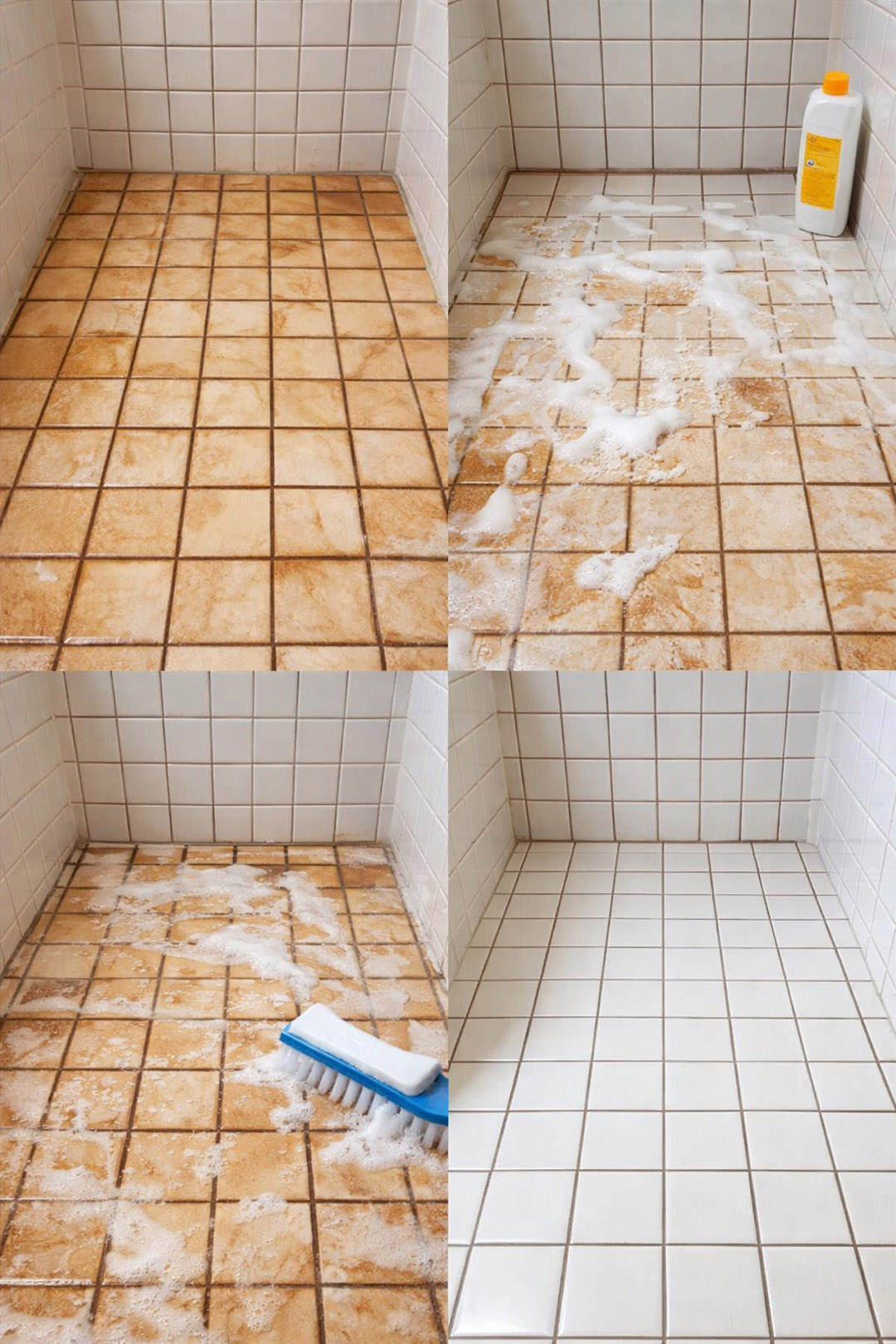
The full method is on the next page — including the step most people skip, which is why their floors never truly look new again.